
Cinema has always possessed a rare power to turn geographic spaces into cultural landmarks. For decades, the silver screen has served as an unsolicited travel agent, pulling millions of viewers away from their daily routines and nudging them toward physical exploration. Across the Indian subcontinent, this phenomenon is reshaping how travelers choose their next destinations. Visiting the exact spots where cinematic history was made has become a major travel segment, commonly known as setjetting. Exploring iconic film tourism locations in India offers a unique bridge between on-screen fiction and off-screen reality, allowing travelers to walk through the physical frames of their favorite movies. This pursuit does not merely involve sightseeing. It is an immersive encounter with the geography that shaped India’s vast cinematic narrative.
Key Takeaways
- Setjetting Boom: Visiting iconic film tourism locations in India has transitioned from a niche hobby into a major, highly structured travel segment.
- Substantial Economic Growth: Cinematic exposure drives a documented 18% to 22% increase in regional hospitality revenues and local homestay bookings.
- Unmatched Visual Diversity: India’s geography allows filmmakers and travelers to experience everything from high-altitude desert lakes to heritage train routes.
- Seamless Travel Planning: Choosing customized domestic tour packages ensures simplified logistics, reliable transport, and easy permit acquisition for remote locations.
The Strategic Growth of Film Tourism in India
The expansion of cinematic travel across the country is not an accidental trend. It is a structured development supported by both regional policies and a passionate movie culture. Historically, filmmakers traveled abroad to capture exotic backgrounds, but a shift toward homegrown scenery has highlighted the untapped beauty within domestic borders. The establishment of dedicated bodies like the Film Facilitation Office has helped simplify the logistics of shooting, making it easier for directors to utilize diverse regional settings. Consequently, areas that were once isolated have emerged as mainstream tourist hubs.
When analyzing the popularity of film tourism locations in India, it becomes clear that media exposure acts as a powerful catalyst. When a beautiful destination is featured in a blockbuster, it receives a marketing boost that traditional campaigns can rarely replicate. As reported in a 2024 study by the Federation of Indian Chambers of Commerce and Industry (FICCI), cinematic exposure was shown to boost local hospitality revenues by roughly 18% in highlighted regions. This economic shift has led tourism departments to actively promote specific film tourism locations in India, creating dedicated maps and guided tours for cinephiles who want to retrace the steps of their favorite characters. The focus is on heritage, and the natural beauty of the geography. Infrastructure upgrades come later.
Defining the Economic and Cultural Impact of Screen Tourism
Screen tourism, a specialized term for traveling to locations seen in films or television shows, has a profound impact on local communities. When a film crew completes its work, the economic cycle is only beginning.
The sustained inflow of visitors creates long-term employment and reliable income streams independent of seasonal fluctuations for several local stakeholders:
- Local Tour Guides: Sharing behind-the-scenes cinema stories alongside historical facts.
- Transport Operators: Providing taxi, rental, and regional transit services for tourists.
- Boutique Accommodations: Boosting occupancy rates for homestays and independent hotels.
To make this happen, local coordinators often rely on an LCO (Local Coordinating Office, which manages permits and regional logistics) to handle the influx of travelers.
The cultural impact is equally notable. Travelers are no longer satisfied with passive sightseeing. They want to engage with the stories connected to these spaces. Identifying the primary film tourism locations in India that offer these narrative connections allows travel agencies to craft richer, more engaging itineraries. As noted in a 2023 report by the Ministry of Tourism, film tourism locations in India experience a notable increase in off-season footfall, with some regions seeing a 22% rise in homestay bookings. While some economists argue that the direct financial return is difficult to isolate from general tourism growth, the spike in hotel bookings following a major movie release is undeniable, at least from available regional filings. But still, the environmental pressure on these destinations requires careful management to ensure that the beauty captured on film is preserved for future generations. Developing film tourism locations in India must therefore balance commercial promotion with strict conservation efforts to keep these ecosystems intact.
Iconic Film Tourism Locations in India
India boasts an incredibly diverse geography, ranging from the snow-capped peaks of the Himalayas to the tropical backwaters of the southern peninsula. This variety has allowed filmmakers to paint broad thematic canvases without leaving the country. Over the years, certain places have captured the collective imagination of audiences more than others, turning standard holiday destinations into cinematic shrines.
By analyzing these film tourism locations in India, travelers can appreciate how different regions contribute to the country’s cinematic heritage. Each region boasts its own aesthetic identity that functions as an active character on screen:
- High-Altitude Deserts: Featuring the sparse, dramatic landscapes of the northern mountains.
- Colonial Hill Stations: Showcasing misty tea gardens, vintage railways, and romantic backdrops.
- Grand Heritage Sites: Highlighting royal marble palaces, historic lakes, and vibrant urban centers.
Pangong Tso, Ladakh: The High-Altitude Cinematic Backdrop
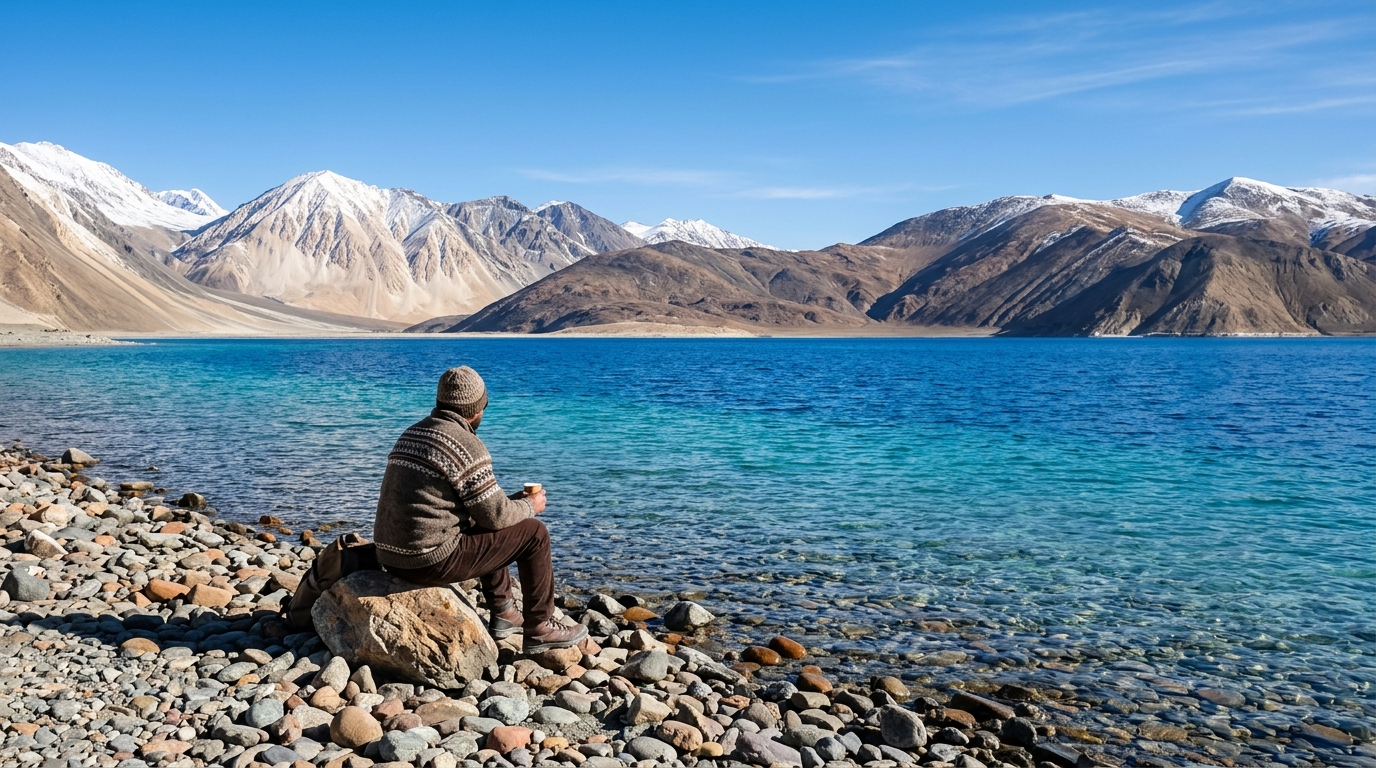
Situated at an elevation of roughly 4,225 meters, Pangong Tso is a stunning endorheic lake that extends from India to Tibet. The lake is famous for its color-shifting water, which transitions from deep blue to turquoise depending on the position of the sun. While adventure travelers have long known about this remote destination, its mainstream popularity soared after featuring in the final scenes of a highly successful Bollywood movie in 2009. The visual impact of the lake against the barren mountains created an immediate desire among viewers to experience this high-altitude marvel in person.
Since then, Pangong Tso has transitioned into one of the top film tourism locations in India, drawing thousands of domestic and international visitors every year. To visit this high-altitude region safely, booking structured Leh Ladakh travel packages is highly recommended, as it ensures adequate acclimatization and reliable transport. The sudden surge in popularity has transformed the local economy, leading to the development of lakeside camps and homestays. Critics argue that the rapid increase in visitors has placed a heavy burden on the fragile high-altitude ecosystem. They are not entirely wrong, but they often overlook how community-led waste initiatives have begun to address these issues. But still, a digital screen can never replicate the crisp mountain wind or the silence of the Ladakh range at dusk. Experiencing these unique film tourism locations in India in person remains an irreplaceable adventure for any dedicated traveler.
Udaipur Palace and Lake Pichola, Rajasthan: Royal Glamour
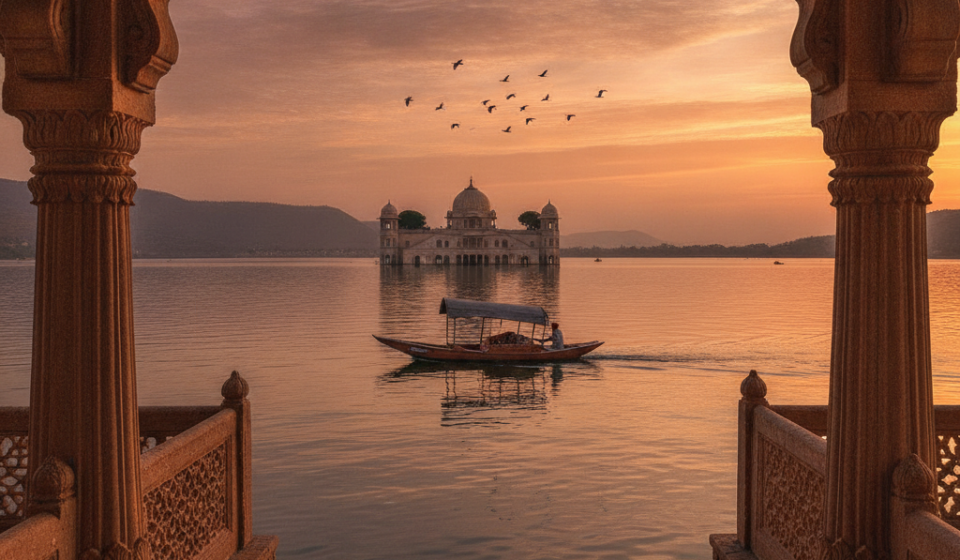
Rajasthan has long been the primary destination for directors seeking grandeur and historical depth. Udaipur, often called the City of Lakes, stands out as a prime example of how heritage can be utilized to create cinematic magic. The city’s white marble palaces, quiet lakes, and historic alleyways provide a romantic aesthetic that has attracted filmmakers for decades, from British spy franchises to modern domestic dramas. The Taj Lake Palace, which appears to float on the waters of Lake Pichola, is arguably one of the most photographed structures in the country.
This visual appeal makes Udaipur one of the most romantic film tourism locations in India, where travelers can experience the lifestyle of royalty. For those wishing to visit these historic sites, booking curated Udaipur packages offers an organized way to explore the City Palace, Jag Mandir, and the surrounding markets. Walkways here are filled with stories of past rulers, and the architectural brilliance of the palaces is striking. Modern comfort comes later. Visiting these film tourism locations in India allows travelers to step into scenes that look like classical paintings, making it a favorite destination for couples and history enthusiasts alike.
Athirappilly Falls, Kerala: The Majestic Cascade of the South
Located in the Thrissur district of Kerala, Athirappilly Falls is often referred to as the Niagara of India. Dropping from a height of eighty feet, this massive waterfall is surrounded by the dense, biodiversity-rich forests of the Sholayar range. The sheer volume of water, especially during the monsoon season, provides a powerful and dramatic setting that filmmakers have used to represent mythical kingdoms and untamed jungles. The waterfall became globally recognized after serving as the visual inspiration for a famous fantasy epic, where CGI was combined with the real cascade to create a breathtaking environment.
The exposure has established Athirappilly as one of the most visited film tourism locations in India, particularly for travelers exploring the southern states. To plan a comprehensive trip that combines these dramatic falls with the tranquil backwaters, travelers often choose dedicated Kerala tour packages. These packages ensure comfortable transit through the winding forest roads and provide access to experienced local guides who know the best viewpoints. Exploring these film tourism locations in India during the rainy season (from June to September) offers the most dramatic views, though travelers must prepare for wet forest paths and high humidity.
Ooty and the Nilgiri Mountain Railway, Tamil Nadu: Nostalgia on Tracks
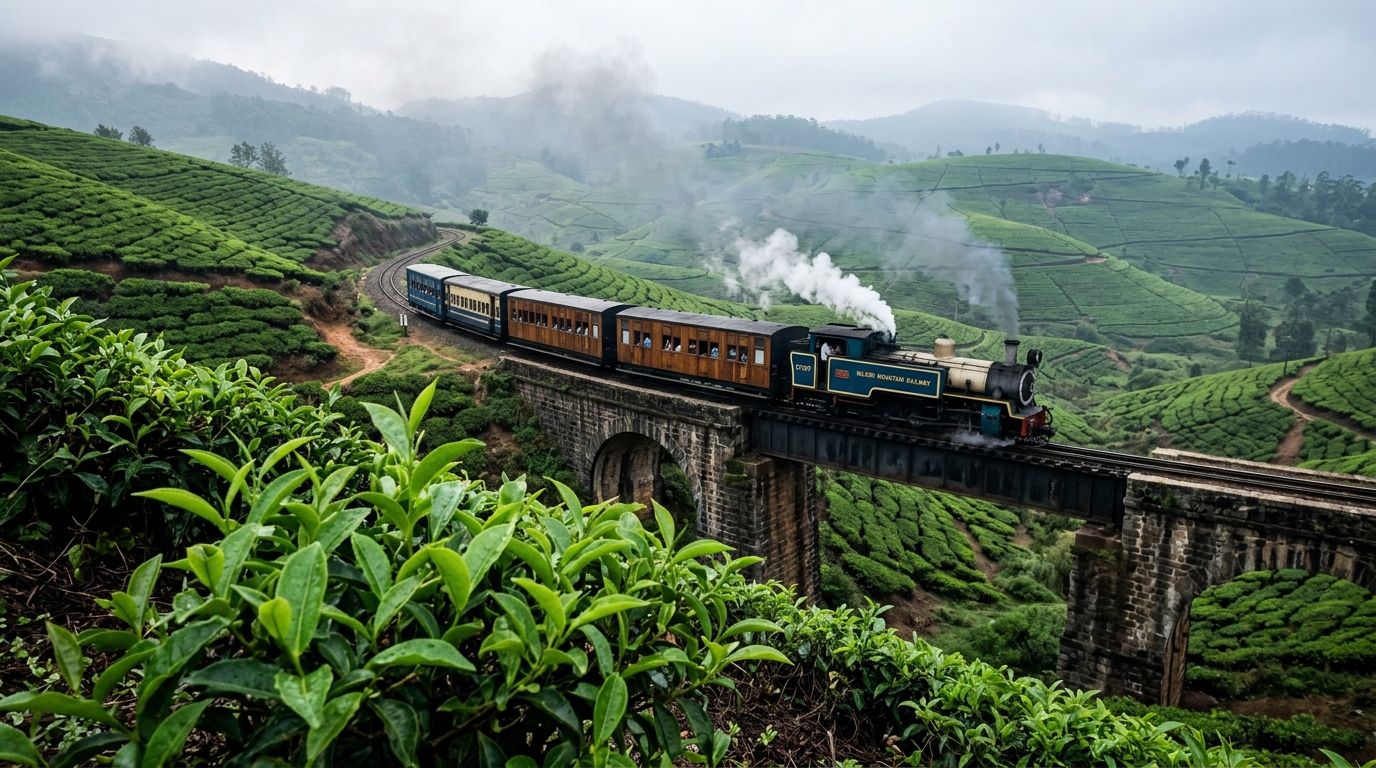
The hill stations of southern India have their own distinct cinematic charm, characterized by rolling tea estates, cool mist, and colonial-era architecture. Ooty, situated in the Nilgiri Hills of Tamil Nadu, has been a favorite destination for filmmakers since the early days of Indian cinema. The Nilgiri Mountain Railway, a UNESCO World Heritage site, is particularly famous for its historic steam locomotives and wooden carriages (which were surprisingly built during the British Raj era). The train journey, which winds through steep valleys and dark tunnels, was the setting for one of the most iconic dance sequences on a moving train in the late 1990s.
This combination of vintage engineering and natural beauty has helped maintain Ooty’s position among heritage-rich film tourism locations in India. Visitors can ride the historic toy train to experience the same views that have graced the screen for decades. The misty tea gardens and pine forests of Ooty continue to attract travelers seeking a quiet retreat from the warm coastal plains. Visiting these classic film tourism locations in India offers a sense of nostalgia, reminding travelers of an era when cinematic romance was defined by mist-shrouded hills and slow train journeys.
Rohtang Pass and Solang Valley, Himachal Pradesh: Snowy Interludes
For filmmakers looking to capture snow-covered mountains and high-altitude highway journeys, the region around Manali is unmatched. Rohtang Pass, located at an elevation of roughly 3,978 meters, serves as a gateway to the Lahaul and Spiti valleys. It has been featured in numerous travel-themed films where characters find personal growth while traversing the winding mountain roads. The contrast between the stark white snow and the deep blue sky provides a clean, dramatic visual that translates beautifully to the screen.
This high-altitude pass has become one of the most popular snow-themed film tourism locations in India, attracting travelers who want to experience the thrill of high-altitude travel. Nearby, Solang Valley offers opportunities for adventure sports like paragliding and skiing, adding a dynamic energy to the scenic beauty. Visiting these film tourism locations in India during the winter months requires careful planning, as heavy snowfall can block the mountain passes, making access dependent on weather conditions and local permits.
Dakshineswar Kali Temple and Howrah Bridge, Kolkata: Cultural Depth
While natural scenery dominates the cinematic travel space, urban environments also offer significant cultural depth. Kolkata, with its yellow taxis, old tram lines, and colonial architecture, has a unique visual character. The Howrah Bridge, spanning the Hooghly River, and the Dakshineswar Kali Temple, with its traditional architecture, are frequently featured in films that focus on mystery, family relationships, or historical narratives. The city’s distinct lighting and busy streets provide a realistic backdrop that contrasts with the stylized glamour of other production hubs.
These landmarks have become highly recognizable film tourism locations in India, drawing travelers who appreciate art, literature, and history. Exploring these urban spaces allows visitors to understand how the city’s unique character has influenced generations of writers and filmmakers. Walking across the Howrah Bridge at dawn or visiting the quiet temple courtyards offers a peaceful experience within a busy metropolis, demonstrating that film tourism locations in India can be as much about cultural immersion as they are about natural beauty.
A Comparative Breakdown of Key Shooting Locations
To help travelers plan their next cinematic journey, it is useful to compare these destinations based on their location, famous movie appearances, the best months to visit, and their primary visual style. Each of these film tourism locations in India offers a different experience, ranging from the cold deserts of the north to the tropical rainforests of the south. Selecting the right destination depends on a traveler’s personal interests, whether they prefer historical architecture, mountain adventure, or quiet coastal views.
The following table provides a clear overview of some of the most celebrated film tourism locations in India. This guide can help narrow down choices based on seasonal weather patterns and accessibility.
| Location | State | Famous Movie | Best Time to Visit | Primary Aesthetic |
|---|---|---|---|---|
| Pangong Tso | Ladakh | 3 Idiots | May to September | High-Altitude Desert & Blue Lake |
| Udaipur Palace | Rajasthan | Yeh Jawaani Hai Deewani | October to March | Royal Palaces & Historic Lakes |
| Athirappilly Falls | Kerala | Baahubali | September to January | Lush Forests & Massive Waterfalls |
| Nilgiri Railway | Tamil Nadu | Dil Se | October to June | Misty Mountains & Vintage Trains |
| Rohtang Pass | Himachal Pradesh | Jab We Met | May to October | Snowy Peaks & Mountain Roads |
| Howrah Bridge | West Bengal | Kahaani | October to March | Colonial Architecture & Urban Rivers |
By utilizing this comparative guide, travelers can easily plan a journey that matches their visual preferences. For instance, those looking for dramatic water features can prioritize the southern regions, while travelers seeking high-altitude views can head north. Understanding the specific seasonal conditions of these film tourism locations in India is essential, as mountain passes can close in winter, and waterfalls can become inaccessible during heavy monsoons.
How to Plan Your Cinematic Tour with Custom Packages
Planning a vacation around famous movie locations requires careful attention to transport, timing, and local permits. Unlike standard holiday tours, a cinematic journey often takes travelers off the beaten path to remote villages, historic railway lines, or high-altitude passes. This complexity is why choosing customized itineraries is often the most reliable way to explore these film tourism locations in India. A well-organized package handles the logistics, allowing travelers to focus on the experience itself.
Custom tour packages can provide several key benefits for a cinematic traveler:
- Efficient Route Planning: Grouping nearby locations together saves travel time and reduces transit fatigue.
- Local Coordination: Access to experienced drivers who are familiar with mountain roads and remote forest routes.
- Permit Assistance: Getting necessary permissions for restricted areas, such as high-altitude regions near international borders.
- Custom Accommodations: Staying in historic hotels or heritage properties that have been featured on screen.
By opting for professional travel services, visitors can explore these film tourism locations in India without the stress of managing daily logistics. Whether traveling alone or with family, a custom itinerary can be tailored to match the desired pace, budget, and specific cinematic interests, making the journey as memorable as the movies themselves.
Essential Travel and Practical Guidelines
To ensure a safe and respectful visit to these popular shooting destinations, travelers should follow some practical guidelines. Many of these film tourism locations in India are situated in environmentally sensitive areas, such as high-altitude deserts or protected forest reserves. Maintaining the beauty of these spaces requires a conscious effort from every visitor.
Here are the essential steps to keep in mind when visiting these unique locations:
- Acclimatize Correctly: When visiting high-altitude sites like Pangong Tso, spend at least forty-eight hours in Leh to adjust to the thin air before traveling higher.
- Respect Local Customs: Many shooting locations are situated near active religious sites, such as the Dakshineswar Kali Temple. Dress modestly and follow local rules regarding photography inside temple grounds.
- Minimize Environmental Impact: Avoid littering, reduce plastic waste, and stick to designated trails to protect the fragile flora and fauna.
- Check Road and Weather Conditions: Mountain passes in Himachal Pradesh and Ladakh can close unexpectedly due to landslides or snow, so check local weather updates frequently.
Adhering to these guidelines helps preserve the integrity of these film tourism locations in India, ensuring they remain beautiful for future visitors and filmmakers. Travel is not just about visiting a place; it is about respecting the communities that live there.
Conclusion
Visiting iconic film tourism locations in India offers an extraordinary way to connect with the country’s rich cultural and geographical diversity. From the dramatic mountain peaks of Ladakh to the peaceful backwaters and waterfalls of Kerala, these destinations allow travelers to step inside the stories that have shaped global cinema. Planning such a specialized trip requires careful consideration of local climates, permits, and transit options. By choosing structured travel itineraries and following practical guidelines, travelers can enjoy a hassle-free journey through the country’s most celebrated cinematic environments. Whether a lifelong cinema enthusiast or simply a traveler looking for unique and visually striking destinations, exploring these film tourism locations in India promises a deeply rewarding travel experience.