The Ultimate Guide to Industrial Tourism in India: Behind-the-Scenes Tours of Factories and Iconic Infrastructure

The concept of leisure travel is shifting away from standard beaches and historical monuments. Travel enthusiasts now seek active environments where modern products are manufactured and major infrastructure is engineered. This shift has fueled the growth of industrial tourism in india, turning functional facilities into fascinating visitor sites. Instead of looking at ancient history, people want to observe real-time production lines and heavy machinery in action. This travel style offers deep insights into national development, engineering feats, and traditional craftsmanship. Understanding how things are made provides a unique appreciation for everyday items and massive national structures. It is basically an intellectual adventure that appeals to corporate groups, university students, and curious citizens who wish to witness the engines of growth firsthand.
Key Takeaways
- Educational Focus: Offers hands-on, real-time insights into manufacturing, engineering, and supply chains.
- Diverse Sectors: Covers everything from heavy metallurgy (Tata Steel) to agriculture (Assam tea estates) and marine projects.
- Safety First: Demands strict adherence to safety protocols (SOPs) and prior permissions from authorities.
- Economic Influence: Boosts brand transparency for corporations while generating local economic benefits.
What is Industrial Tourism?
The field of industrial tourism in india has developed into a highly structured travel sector. It involves visits to operational factories, manufacturing hubs, and large-scale engineering projects. Tourists explore the methods used to create everyday goods and manage massive public systems. It bridges the gap between consumers and producers, showing the reality behind the products on our shelves. Visitors can see the machinery, the human labour, and the systems that drive modern production. This form of travel provides a behind-the-scenes look at how raw materials are transformed into finished products, highlighting efficiency, safety, and craftsmanship.
Defining the Concept and Global Context
Industrial tourism as a concept refers to travel motivated by a desire to see working industrial processes. Internationally, this travel style is popular in countries like Germany and Japan, where car manufacturing plants host thousands of visitors weekly. The global context shows that people love seeing how complex machines are built, though not without exceptions. But still, the sector has evolved differently across borders. In Western countries, the focus is often on automation and high technology. In developing areas, the human element and cultural craftsmanship remain highly central.
The practice of industrial tourism in india is catching up rapidly. It combines modern industrial might with traditional heritage. Visitors can observe how local materials are converted into finished products, providing a clear educational value. It is basically about appreciating the effort that goes into modern supply chains, which are often invisible to the average consumer.
The Emergence of Industrial Tourism in India
The rise of industrial tourism in india reflects a desire for experiential learning. For decades, Indian factories remained closed to the public due to safety concerns and proprietary secrets. Now, companies realise that opening their doors builds trust. The movement started with educational school trips to dairy plants and printing presses. Today, it has grown into a structured market for professionals, researchers, and curious travellers. Many sectors are now participating, including steel, aviation, food processing, and traditional handicrafts. Government bodies also encourage these tours to highlight national progress. This trend shows that industry is no longer just about work. It is also about sharing knowledge and building pride. As far as current data suggests, this travel style is expanding beyond corporate visits to include family tours and weekend excursions.
Why Choose Industrial Tourism in India?
There are distinct benefits to exploring industrial tourism in india. It goes beyond mere entertainment, offering an engaging way to learn about technology, history, and commerce. It challenges the mind and offers practical insights into how society functions:
- It provides active, real-time learning.
- It helps bridge the gap between consumers and industries.
- It highlights the scale of national infrastructure.
These elements show how this travel style serves as an eye-opener, transforming how we perceive the products we use every day.
Educational and Professional Growth
For students and young professionals, industrial tourism in india serves as a living classroom where textbook theories become real. Key benefits for students include:
- Practical Understanding: Assembly lines, quality control, and supply chains become visual realities.
- Exposure to Advanced Tech: Witnessing automated robotic arms and modern heavy machinery in action.
- Real-world Application: Helping engineering and management students comprehend industrial engineering concepts.
- Career Preparation: Observing work culture, safety protocols, and interacting directly with shop floor managers.
Appreciation of Engineering and Heritage
By integrating historical factories, industrial tourism in india showcases the evolution of technology. Many manufacturing units in the country have operated for over a century. Visitors can witness how old techniques merged with modern automation. This blend of heritage and engineering shows the resilience of local industries. For instance, traditional textile mills operate alongside computerised weaving machines. It highlights the ingenuity of Indian engineers who adapt global technologies to local conditions. This combination of history and progress creates a unique travel experience. It teaches us to value the past while looking forward to future innovations. It is basically a journey through time, showing how basic tools evolved into complex automated systems.
Economic Impact and Corporate Transparency
By promoting industrial tourism in india, manufacturing units can improve their brand reputation. Transparency builds customer loyalty. When a consumer sees the hygiene levels in a food packaging plant, their trust increases. The tours also generate secondary revenue for the factories. Gift shops selling fresh products directly from the line are highly popular. Additionally, the local community benefits from the influx of visitors. Hotels, transport providers, and restaurants near industrial hubs see increased business. This shows how industrial activity can support local economies in multiple ways. It turns heavy manufacturing sites into community partners, creating jobs and fostering local pride.
Top Industrial Tourism Destinations in India
To experience this firsthand, travellers can visit key hubs that define industrial tourism in india. These sites span across various states, offering diverse experiences from heavy metallurgy to food production. The table below outlines the prominent destinations featured in this guide:
| Destination | Location | Primary Attraction | Entry / Permission Level |
|---|---|---|---|
| Tata Steel Plant | Jamshedpur, Jharkhand | Blast furnaces, rolling mills, heavy steel manufacturing | Prior corporate permission required |
| Amul Dairy Plant | Anand, Gujarat | Automated processing lines, museum, packaging units | Moderate; easily accessible via group booking |
| Integral Coach Factory | Chennai, Tamil Nadu | Railway coach assembly, Vande Bharat manufacturing | Prior permission / Museum open to public |
| Tea Estates | Assam & Munnar | Traditional tea plucking, sorting, and processing | Open to public / Guided estate bookings |
| Alang Shipbreaking Yard | Alang, Gujarat | Dismantling massive international cargo ships | Strict government clearance required |
Tata Steel Plant (Jamshedpur)
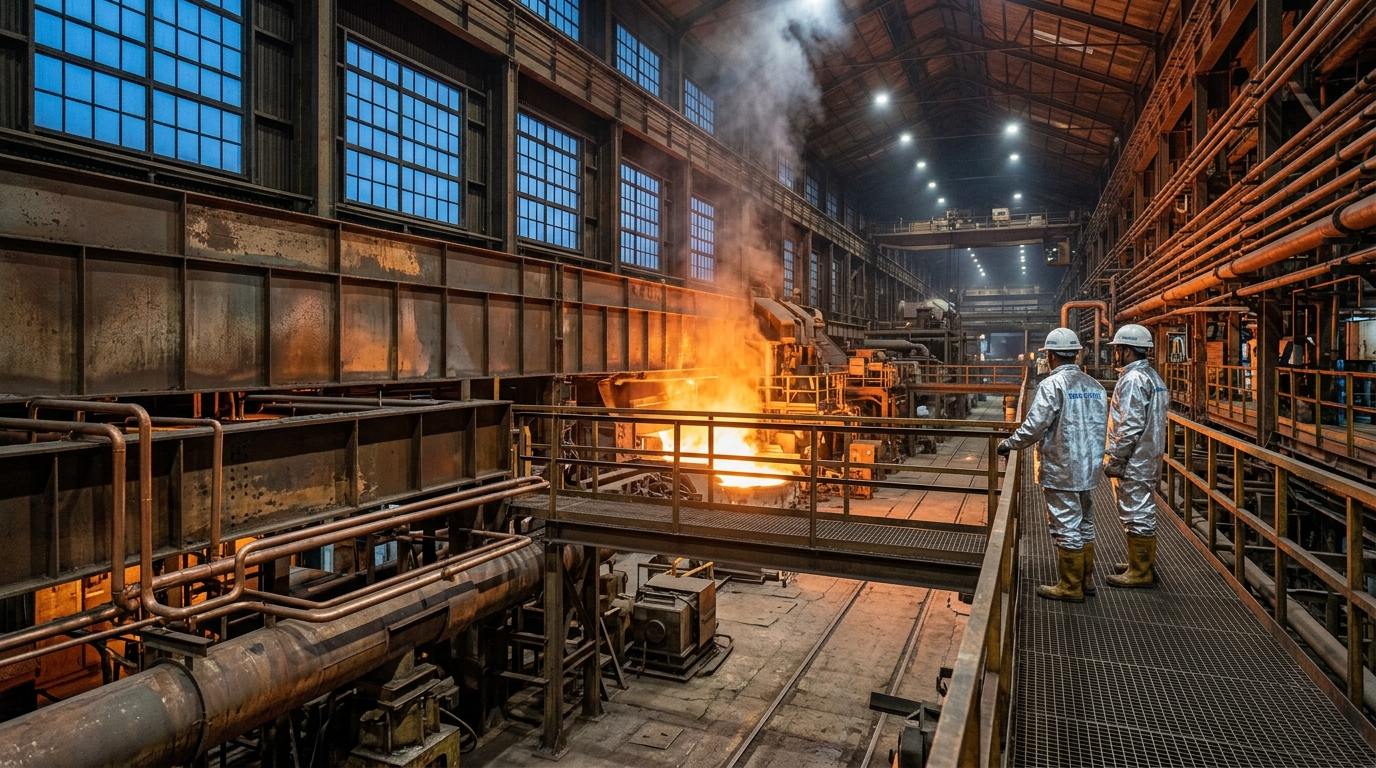
Located in Jharkhand, the steel facility is a major focal point for industrial tourism in india. Jamshedpur is often called the Steel City because of its deep industrial roots. As the Tata Steel archives confirm, the Jamshedpur plant commenced its first steel production in the year 1912. This makes it one of the oldest modern industrial sites in the country. Visitors can witness the massive scale of blast furnaces and rolling mills. The sheer heat and noise of molten iron being shaped into steel sheets is awe-inspiring. The tour explains the entire steel-making process, from raw iron ore to finished metal coils. It also highlights the sustainable practices used to reduce pollution. This visit offers a profound appreciation for the heavy industry that built modern India, showcasing how human effort and engineering come together to shape metal on a grand scale.
Amul Dairy Plant (Anand)
The dairy sector has contributed immensely to industrial tourism in india. The Amul cooperative plant in Anand, Gujarat, is a prime example. It represents the success of the White Revolution. The facility handles millions of litres of milk daily. Visitors can see the fully automated processing lines. Here, milk is pasteurised, butter is churned, and milk powder is packaged without human touch. The visitor gallery offers a clear view of the complex machinery. It is basically a lesson in cooperative business models and clean production. The sheer efficiency of the plant is impressive. The tour also includes a visit to the Amul museum, which documents the history of the dairy movement. It is a highly educational visit for families and professionals alike, illustrating how local farmers united to create a national brand.
The Integral Coach Factory (Chennai)
This railway production site has become a core element of industrial tourism in india. Located in Perambur, Chennai, the Integral Coach Factory (ICF) builds the passenger coaches for Indian Railways. It is the birthplace of the famous Vande Bharat express trains. The factory tour allows visitors to see how steel sheets are cut, welded, and painted to form railway coaches. The assembly line is a marvel of coordination and heavy manufacturing. Watching a massive train coach being lifted by overhead cranes is a memorable sight. The facility also houses the Regional Railway Museum, which displays vintage models and historical equipment. This tour is excellent for understanding the massive scale of public transport manufacturing in India, demonstrating how high-quality steel and engineering keep millions of passengers moving daily.
The Tea Estates of Assam and Munnar
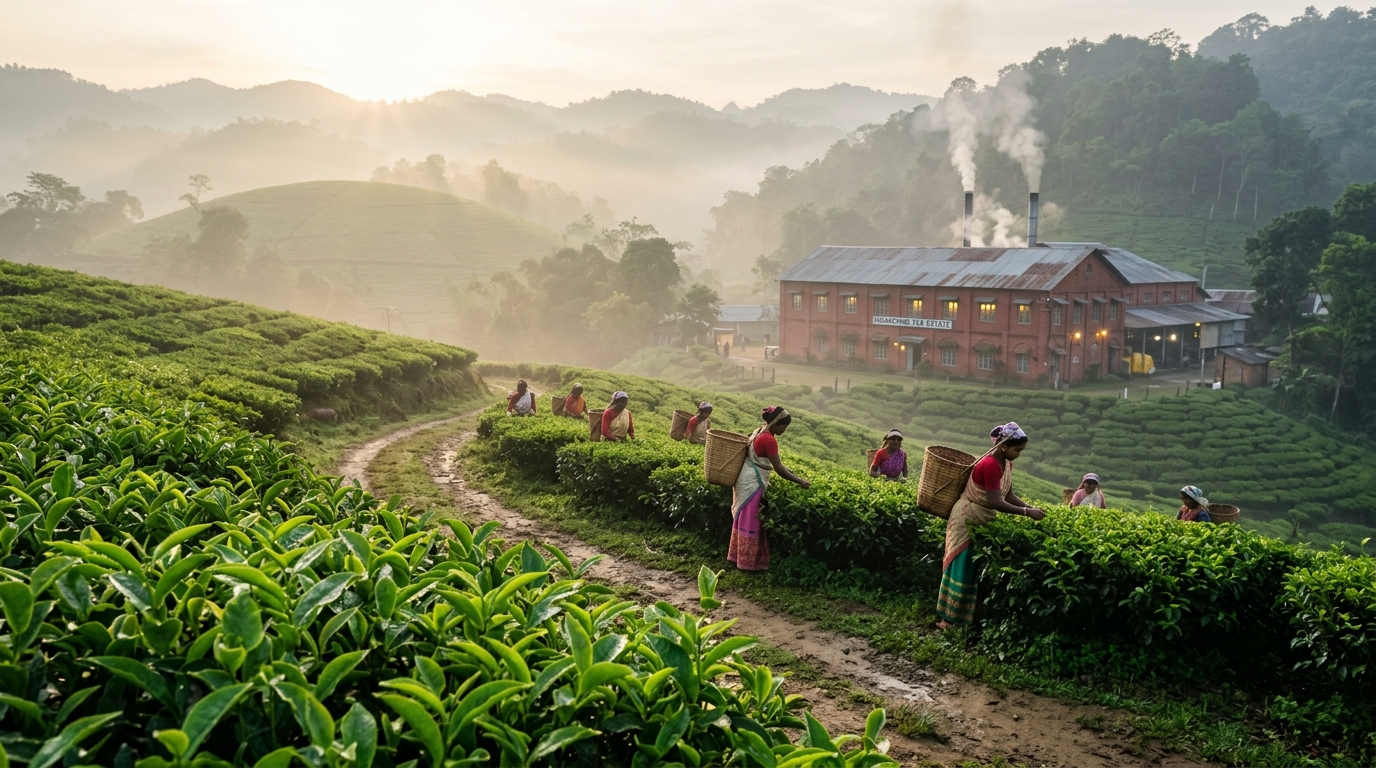
Agricultural sectors are also expanding the scope of industrial tourism in india. The tea gardens of Assam and Kerala offer a different kind of industrial tour. Instead of heavy steel and concrete, visitors see green hills and traditional harvesting. A report published by the Tea Board of India in early 2024 showed that tea production reached nearly 1375 million kilograms during the previous cycle. This massive output relies on both manual labour and processing factories. Tourists can walk through the tea fields to watch pluckers collect leaves. Afterwards, they visit the processing factories to see the drying, rolling, and fermenting stages. It is a sensory experience filled with the aroma of fresh tea. The tours usually end with a professional tea tasting session, explaining the nuances of different tea grades and showcasing how natural resources are prepared for global markets.
The Shipbreaking Yard of Alang
For those seeking extreme industrial tourism in india, the Alang yard in Gujarat is unmatched. It is one of the largest ship recycling facilities in the world. According to the Gujarat Maritime Board, the Alang shipbreaking yard handles roughly 30% of the world’s total ship recycling volume. Here, massive international cargo ships and ocean liners are dismantled. The workers break down these steel giants using heavy tools and cranes. It is a gritty, intense environment that showcases the recycling of industrial materials. Visitors can see the sheer scale of the ships up close. But still, access to this site is highly restricted due to safety and environmental regulations. It requires special government permissions, making it a destination for serious industrial enthusiasts. The visit highlights the complex logistics of ship recycling and the recovery of valuable materials.
Infrastructure Tourism: Showcasing Modern Engineering
A secondary branch of industrial tourism in india is infrastructure tourism. This involves visiting massive civil engineering structures that keep the country running. These include mega dams, high-altitude bridges, and complex urban transit networks. These structures showcase how human ingenuity can overcome geographical barriers.
The Tehri Dam and Hydroelectric Project
This massive dam highlights how industrial tourism in india covers energy production. Located on the Bhagirathi River in Uttarakhand, the Tehri Dam is one of the tallest dams in the world. The engineering required to build this earth-fill structure is remarkable. Visitors can see the vast reservoir and learn how water pressure is used to generate clean electricity. The tour of the underground powerhouse shows the giant turbines in action. It is a great way to understand the scale of national power grids. The surrounding area also offers beautiful mountain views, combining natural beauty with engineering power. It demonstrates how modern technology can harvest natural forces to power millions of homes.
The Chenab Bridge: A Monument of High Altitude Engineering
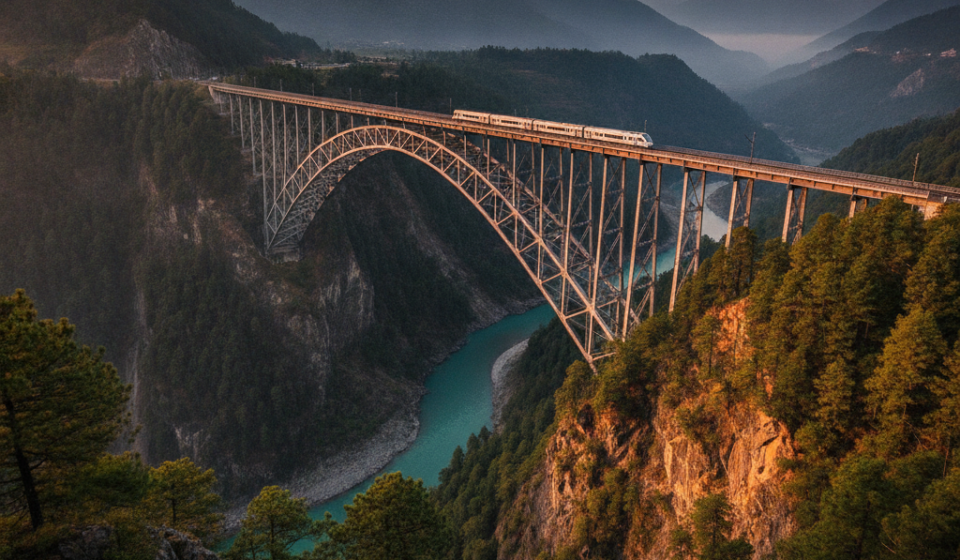
This bridge represents a peak achievement in industrial tourism in india. Located in Jammu and Kashmir, the Chenab Bridge is the highest railway arch bridge in the world. It spans the deep Chenab River gorge at a height that exceeds the Eiffel Tower. This massive construction project has become a popular destination for domestic travellers seeking unique sights. Engineers faced extreme weather and seismic challenges during its construction. Visiting the bridge area allows tourists to admire the steel arch structure. The engineering techniques used to ensure stability are explained in nearby visitor centres. It is a symbol of modern Indian engineering that attracts infrastructure enthusiasts from all over, showcasing how isolated regions are being connected to the main rail network.
The Mumbai Coastal Road and Bandra-Worli Sea Link
Coastal engineering projects are shifting the focus of industrial tourism in india to urban development. The Bandra-Worli Sea Link and the newer Mumbai Coastal Road are marvels of marine construction. These structures have changed the way people travel across Mumbai. The sea link features massive concrete pillars and stay cables that support the expressway over the Arabian Sea. Specialized tours explain the under-water piling and cable-stayed technology. Observing these structures from the sea or during guided city engineering tours shows how modern cities expand. It is a great example of civil engineering solving urban congestion, highlighting the complex planning behind urban transport links.
How to Plan an Industrial Tour in India
Planning a successful journey focused on industrial tourism in india requires careful organisation. Unlike regular holidays, you cannot simply show up at a factory gate. It requires planning, permissions, and strict safety compliance to ensure a smooth experience.
Securing Permissions and Approvals
Obtaining early permits is the first step in organising industrial tourism in india. Most factory tours require official requests weeks in advance. The typical documentation process includes:
- Proof of Identity: Submitting official government identification, such as a passport, Aadhaar card, or national ID card.
- Institutional Letters: Educational groups must provide formal authorization letters from their school or university.
- Special Permissions: For restricted sites like defence units or major shipyards, obtaining clearance can take several months.
- Agency Assistance: Working with specialized travel operators who have established relations with factory managers can significantly simplify approvals.
Safety Guidelines and Compliance Protocols
Adhering to plant safety rules is critical for industrial tourism in india. Every operational factory has a strict Standard Operating Procedure (SOP). Standard safety rules for visitors include:
- Mandatory Safety Gear: Wearing hard hats, safety glasses, and steel-toed boots provided by the facility.
- Strict Dress Codes: Loose clothing and open-toe shoes are strictly prohibited on the shop floor.
- Designated Paths: Staying within marked visitor pathways and strictly avoiding contact with any machinery.
- No Photography Rules: Respecting photography bans designed to protect proprietary industrial designs and trade secrets.
Best Times of Year to Visit
Weather plays a key role when executing industrial tourism in india. Most industrial plants generate significant heat, especially steel and metal casting units. Visiting these facilities during the hot summer months can be physically exhausting. Therefore, the winter season, from October to March, is generally the best time for these tours. The cooler weather makes walking through large factory floors much more comfortable. For agricultural tours like tea estates, the post-monsoon months are ideal. The tea gardens are lush green, and processing plants are highly active. Planning your visit around these seasonal factors ensures a much more pleasant experience.
Comparing Classic Leisure Tourism with Industrial Tourism
To fully understand the shift in modern travel preferences, it is helpful to compare traditional sightseeing with industrial tourism in india. Traditional travel focuses on relaxation, history, and natural beauty. In contrast, industrial tours focus on learning, engineering, and live operations. Both styles have their unique merits, but they serve different travel goals. The following table illustrates the key differences between these two travel experiences, which explains why industrial tourism in india is becoming a preferred alternative for curious minds.
| Feature | Classic Leisure Tourism | Industrial Tourism in India |
|---|---|---|
| Primary Focus | Relaxation, sightseeing, and historical monuments. | Live operations, engineering, and manufacturing. |
| Access Requirements | Open to the public with standard entry tickets. | Prior permission and security clearances needed. |
| Safety Protocols | Minimal safety rules (general guidelines). | Strict safety protocols and mandatory safety gear. |
| Target Audience | General public, families, and holiday seekers. | Students, professionals, and curious enthusiasts. |
| Main Attraction | Natural scenic views and ancient architecture. | Active assembly lines, heavy machinery, and dams. |
FAQs
Here are some frequently asked questions about industrial tourism in india to help you plan your next unique journey.
What is the primary focus of industrial tourism in India?
The main goal of industrial tourism in india is to showcase working industrial processes and modern infrastructure. It focuses on educating visitors about how everyday goods are manufactured and how large systems operate. Unlike classic leisure travel, it emphasises functional beauty, human labour, and technological progress. It offers an educational experience that reveals the mechanics behind economic growth.
Is industrial tourism suitable for children?
Yes, though with some age restrictions. The educational aspects make industrial tourism in india great for older students and teenagers. It helps them understand science and economics in a practical way. However, young children are often not allowed in heavy manufacturing areas due to strict safety rules. For families with younger kids, agricultural tours like tea gardens or food plants are much more suitable.
How do companies benefit from offering factory tours in India?
Hosting visitors under industrial tourism in india helps companies build strong brand trust. When people see the care and quality that goes into making a product, they become loyal customers. It is basically a powerful marketing tool that proves corporate transparency. The tours also create secondary revenue streams through ticket sales and merchandise purchases.
Are there specialized tour packages available for industrial tourism in India?
Specialized packages for industrial tourism in india are now offered by modern travel agencies. These packages are designed to handle permissions and arrange complex logistics. Safety gear comes later. For travellers looking to explore these unique operational sites, booking structured domestic tour packages ensures a hassle-free journey. These tailored options cover transport, accommodation, and the necessary government permits for restricted industrial facilities.