
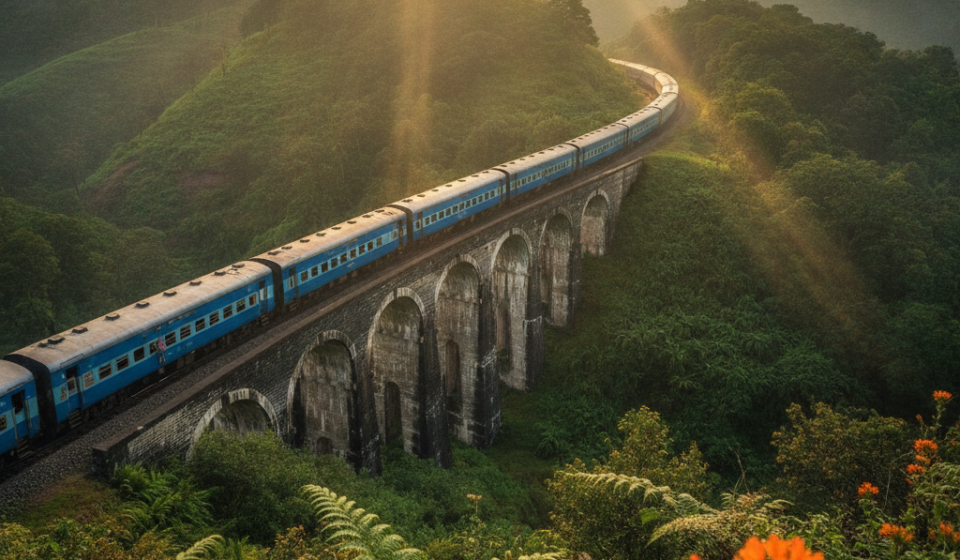

The railway network in India is one of the largest passenger transit systems on earth, carrying millions of passengers across diverse terrain daily. For first-time travelers, stepping onto an Indian railway platform can feel like entering a self-contained world. The sensory impact of bustling crowds, whistling locomotives, and local tea vendors creates a memorable experience. However, the system requires careful preparation, structured planning, and practical knowledge of booking protocols. Success on these long-distance rail routes depends on securing the right classes, managing reservations, and applying practical train travel in india tips to ensure safety and comfort. With a structured approach, what appears to be an intimidating transport maze becomes an efficient, affordable, and scenic way to explore the country. This network is not merely about transportation; it is a shared space where people eat, sleep, and converse, acting as a true reflection of the nation’s diverse culture.
Key Takeaways
- Plan and Book Early: Reserve tickets up to 120 days in advance to secure berths on high-demand routes.
- Prioritize Air-Conditioned Classes: Opt for AC tiers (1A, 2A, 3A) for better comfort, hygiene, and security.
- Track Your Reservation Status: Avoid booking waitlisted tickets above WL20 to prevent confirmation issues.
- Pack Smart for Comfort and Security: Bring a steel chain/padlock for luggage, essential hygiene supplies, and a power bank.
- Follow Compartment Etiquette: Respect shared space schedules and guidelines for upper, middle, and lower berths.
Understanding the Indian Railways Infrastructure
The Scale and Reach of the Network
The sheer scale of the network is impressive. In its 2024 operational digest, the Indian Ministry of Railways reported that the network spans over 68,000 route kilometers, connecting thousands of stations. This infrastructure serves as the economic backbone, moving passengers across vast divides. Understanding this system is the first step toward a successful journey. Having access to correct train travel in india tips makes this massive network manageable. First-timers searching for train travel in india tips often overlook the sheer distance between major cities, expecting rapid transits. But still, the slower pace is what makes the experience unique. The tracks traverse some of the most challenging terrains in the world, requiring massive engineering solutions like the Chenab Bridge or the mountain railways of Shimla.
Different Train Categories and Speeds
Passengers can choose from several train categories, each offering distinct speed and comfort profiles. The premier tier includes superfast express services like the Rajdhani, Shatabdi, and Vande Bharat Express. These trains connect major cities, travel at high speed, and maintain excellent punctuality. Shatabdi trains are day-use chair cars for shorter routes, while Mail and Express trains serve as long-distance workhorses with more intermediate stops. Understanding these differences is among the standard train travel in india tips because your choice directly affects travel duration and comfort.
| Train Category | Primary Purpose | Key Features |
|---|---|---|
| Vande Bharat Express | Semi-high-speed day travel | Air-conditioned, rapid acceleration, modern chair cars |
| Rajdhani Express | Capital connectivity | Fully air-conditioned sleeper train, complimentary meals |
| Shatabdi Express | Intercity day travel | Air-conditioned day-use chair cars, onboard meals served |
| Mail / Express | Broad national connectivity | Affordable, multiple seating and sleeper classes |

Booking Tickets, Classes, and Reservation Systems
Securing a seat or sleeper berth requires navigating complex booking systems. Tickets should be purchased well in advance, as demand on major routes regularly outstrips capacity weeks before departure. Understanding the class structure and reservation statuses is critical for a hassle-free journey.
The Digital Reservation Portal
The Indian Railway Catering and Tourism Corporation (IRCTC) manages online reservations. Users must create an account on the official portal, verified via mobile and email. International travelers can register using international phone numbers for a nominal fee. The platform allows passengers to check schedules and monitor seat availability. Keeping these booking-related train travel in india tips in mind ensures reservations are secured before high-demand periods. Following proven train travel in india tips makes the process straightforward. First-time users should expect some initial difficulties with transaction processing, but completing registration well in advance resolves most interface issues.
Ticket Classes and Accommodation Options
Indian trains feature a tiered class system divided into air-conditioned (AC) and non-AC categories. First AC (1A) offers private, lockable two-berth or four-berth compartments. Second AC (2A) features open-plan cabins with four berths and two side berths, separated by curtains. Third AC (3A) contains six berths per cabin and two on the side without curtains. Sleeper Class (SL) is non-air-conditioned and open to the elements. Choosing the appropriate tier is one of the most essential train travel in india tips for maintaining comfort. When evaluating options, standard train travel in india tips suggest prioritizing air-conditioned classes for overnight journeys. As reported by India Tourism statistics in their 2024 annual survey, nearly 85% of international visitors who utilized the railway network opted for air-conditioned travel classes.
| Class Option | AC Comfort | Bedding Included | Privacy Level | Best For |
|---|---|---|---|---|
| First AC (1A) | Yes | Yes | High (Lockable door) | Families & couples |
| Second AC (2A) | Yes | Yes | Medium (Berth curtains) | Comfort on a mid-range budget |
| Third AC (3A) | Yes | Yes | Low (Open compartment) | Value-conscious travelers |
| Sleeper Class (SL) | No | No | None (Open windows) | Backpackers / Budget-conscious |
- First AC (1A): Lockable compartments with bedding. Highly secure and quiet (the premium choice for couples and families).
- Second AC (2A): Two-tier berths with privacy curtains. Clean, spacious, and highly suitable for mid-range travel budgets.
- Third AC (3A): Three-tier berths without curtains. Air-conditioned and highly popular among middle-class travelers.
- Sleeper Class (SL): Non-AC berths with open windows, exposing passengers to dust and varying temperatures.
Deciphering Reservation Statuses: WL and RAC
Passengers often encounter reservation codes like CNF (confirmed), RAC (Reservation Against Cancellation), and WL (Waitlist). An RAC status guarantees boarding but requires sharing a berth for seating. A waitlisted ticket (WL) does not permit boarding unless cancellations upgrade the status. Monitoring the Passenger Name Record (PNR) online is crucial for tracking updates. Experienced travelers share train travel in india tips that focus on avoiding waitlisted tickets above WL20, as the probability of confirmation decreases closer to departure.
Last-Minute Bookings with Tatkal
For urgent trips, the Tatkal booking scheme opens daily at 10:00 AM for non-AC and 11:00 AM for AC classes for trains departing the next day. Because these sell out within minutes, travelers should pre-save passenger details in their IRCTC profiles. A Premium Tatkal option is also available, where prices fluctuate based on demand. Knowing how to use these emergency reservation systems is among the most valuable train travel in india tips for managing sudden itinerary adjustments.
Essential Train Travel in India Tips for First-Timers
Entering a vast transit network can feel intimidating. Applying a few strategic planning choices can transform an overwhelming journey into a memorable travel highlight. The following recommendations focus on booking windows, luggage handling, and safety protocols to ensure a smooth transition.
Booking Strategies and Timelines
The booking window opens 120 days before departure. Tickets on popular routes like Delhi to Udaipur sell out rapidly, making early booking crucial. For travelers seeking customized itineraries, TravelDham domestic packages provide comprehensive planning services to secure confirmed berths easily.
- 120-Day Advance Window: General reservations open 120 days before departure, making early planning essential.
- High-Demand Routes: Popular paths (e.g., Delhi to Udaipur) sell out within minutes of opening.
- Professional Assistance: For custom itineraries, TravelDham domestic packages provide comprehensive planning services to secure confirmed berths.
Integrating booking timelines into broader travel schedules is a key point in standard train travel in india tips. These basic train travel in india tips protect against last-minute reservation complications. Securing bookings during the early days of the booking window guarantees peace of mind.
Packing Essentials for Long-Distance Journeys
Packing strategically ensures comfort and hygiene. Luggage must be compact to fit under the lower berths. Travelers should carry a hygiene kit containing toilet paper, wet wipes, and hand sanitizer. While bedding is provided in AC classes, bringing a lightweight travel sheet is a sensible precaution. Carrying a power bank is also essential due to occasional power outlet malfunctions. These packing-specific train travel in india tips help passengers remain self-sufficient during extended journeys.
- Hygiene: Hand sanitizer, toilet paper, wet wipes, and personal toiletries.
- Security: Sturdy luggage lock and steel chain for securing bags.
- Comfort: Neck pillow, earplugs, eye mask, and lightweight sleep sack.
- Electronics: Portable power bank and multi-plug adapter for charging sockets.
Personal Safety and Luggage Protection
Protecting personal belongings is essential. Keep valuables, passports, and electronics in a small daypack that remains with you. Overnight, secure luggage using a steel chain and padlock threaded through the metal brackets below the lower berth. Avoid accepting food or drinks from strangers to prevent rare security incidents. Adhering to these safety-focused train travel in india tips provides peace of mind. Among the various train travel in india tips, maintaining physical control over your primary communication devices is paramount. For solo travelers, especially women, choosing upper berths provides a safe and comfortable personal environment throughout the journey.
“Personal safety on long-distance trains is largely a matter of common-sense precautions. Securing your bags to the physical structure of the train and keeping your most valuable electronics on your person at night will eliminate almost all risk of opportunistic theft.” – Indian Railways Protection Force Advisory
Managing Overnight Journeys and Sleeper Berth Etiquette
Overnight train journeys offer an immersive look at the country’s geography. Sharing confined spaces with fellow passengers requires mutual respect and clear communication regarding berth usage. Establishing a polite rapport early in the journey creates a comfortable environment for everyone.
Sleeping Berth Allocation and Protocols
Berth assignments are designated as Upper (UB), Middle (MB), Lower (LB), Side Upper (SU), or Side Lower (SL). Unspoken rules govern their use. The lower berth serves as a communal seat during the day, meaning the occupant must accommodate other passengers until bedtime, typically at 10:00 PM. The middle berth must be folded down during daylight to allow comfortable seating. Upper and side berths offer the most privacy as they remain in place throughout the trip. Following these sleeping-related train travel in india tips helps maintain compartment harmony. For daytime travel, these train travel in india tips dictate sharing space politely.
| Berth Type | Pros | Cons | Best For |
|---|---|---|---|
| Lower Berth (LB) | Easy access, window views | Must be shared as seating during daylight | Seniors and families |
| Middle Berth (MB) | Quiet sleeping space when deployed | Restricted daytime headroom | Budget travelers |
| Upper Berth (UB) | Maximum privacy, luggage close | Requires climbing physical ladder | Solo travelers |
| Side Upper (SU) | Independent space, private window | Slightly narrower bed length | Tall solo travelers |
Onboard Meals and Hydration Guidelines
Onboard dining requires caution to avoid digestive issues. Major trains feature pantry cars preparing hot vegetarian meals and tea. The IRCTC e-catering service delivers meals from verified local restaurants directly to passengers. Carry dry snacks. Avoid drinking tap water under any circumstances, opting instead for sealed mineral water from platform vendors. These health-oriented train travel in india tips prevent minor dietary issues from disrupting travel. Weaving these food-safe train travel in india tips into your daily routine ensures a safe trip. On major trains, pantry car staff take orders directly at your seat, making it highly convenient to secure warm tea or meals without moving.
Hygiene and Sanitation in Transit
Maintaining cleanliness requires adaptability. Air-conditioned coaches feature both Western and squat toilets. Indian squat toilets are often easier to use on a moving carriage because they do not require physical contact with any surfaces. Although staff regularly clean the facilities on long routes, conditions vary. Carrying toilet paper and hand sanitizer is indispensable. One of the most practical train travel in india tips is to use the facilities early in the morning immediately after they are cleaned to avoid crowded and unhygienic conditions. Keeping a small washbag accessible makes morning routines simpler.
Finding Your Way Around Indian Railway Stations
Major railway stations are massive, multi-platform complexes. Knowing how to manage these busy hubs is essential for boarding your train on time. Proper navigation ensures you reach your coach without unnecessary physical exertion or stress.
Locating Trains and Boarding Areas
Upon arrival, navigating the station requires a systematic approach to avoid unnecessary physical exertion or stress:
- Check Departure Boards: Consult electronic boards showing train numbers, schedules, and platforms upon arrival.
- Verify Platform Number: Double-check announcement boards or ask at the information desk, as platforms can change.
- Locate Coach Indicators: Look for digital overhead screens on the platform to find where your specific coach will halt.
- Position Yourself Early: Wait near your designated coach marker to prevent rushing when the train arrives.
Implementing these station-specific train travel in india tips ensures a calm boarding process. Checking coach indicators on the platform ahead of time prevents last-minute boarding confusion. Consulting these boarding-related train travel in india tips can save significant time and stress.
Station Services and Retiring Rooms
Major stations offer specialized passenger services. Executive lounges provide air-conditioned seating, internet access, and dining for a nominal hourly fee. For longer layovers, passengers can book economical retiring rooms or dormitories within the station via the IRCTC portal. Registered porters assist with heavy baggage across platforms for a standardized fee. Utilizing these services is one of the most useful train travel in india tips for managing transit delays and layovers comfortably.
Conclusion
Train travel in India is far more than a practical transit option. It is basically a cultural experience connecting travelers directly to the true pulse of the country. While the system’s scale and complexity can initially seem challenging, proper preparation and the execution of these essential train travel in india tips will transform any journey into an extraordinary adventure. From the modern corridors of the Vande Bharat to scenic overnight routes, the railway offers an unmatched perspective. Combining these train travel in india tips with professional travel coordination from TravelDham ensures that every booking and itinerary is handled with expert precision. By incorporating these train travel in india tips, travelers can confidently embrace the rhythm of the rails and enjoy every aspect of their Indian exploration.