
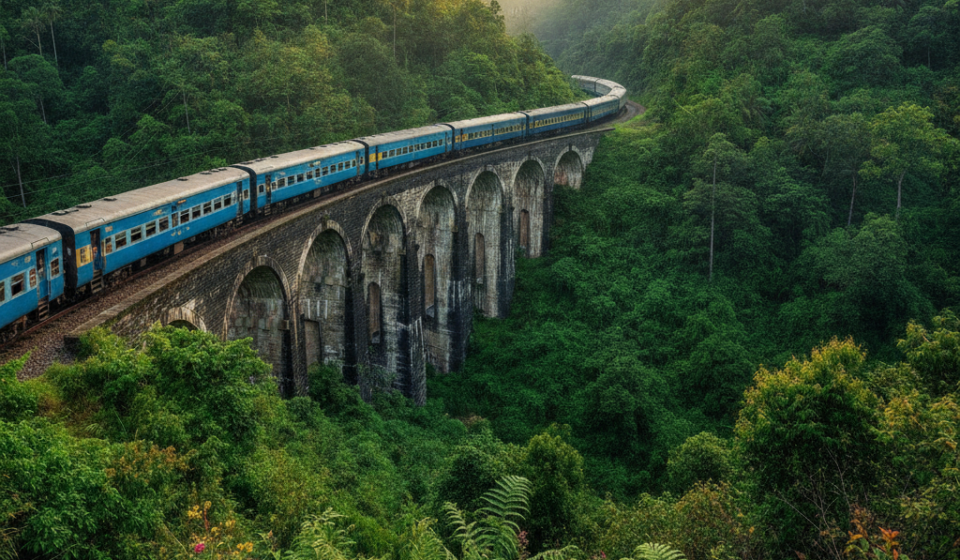

Stepping onto an Indian railway platform is an encounter with a world of its own. The smell of cardamom tea mixes with the sound of metal wheels on iron tracks while thousands of journeys begin and end simultaneously. For travelers looking to traverse this vast country, the rail network offers an unmatched window into local culture and geography. However, managing the complexity of booking tickets, identifying classes, and staying comfortable requires some insider knowledge. This guide provides actionable train travel in India tips to ensure a safe, efficient, and memorable journey across the subcontinent. For travelers planning to explore the country’s diverse regions, checking curated domestic tour packages can simplify logistics.
- Early Reservation is Crucial: Secure tickets weeks in advance via IRCTC, or utilize Tatkal/Foreign Tourist quotas if booking late.
- Prioritize AC Classes: Book 1AC, 2AC, or 3AC for air conditioning, cleaner facilities, and better privacy.
- Prepare a Hygiene Kit: Carry toilet paper, wet wipes, hand sanitizer, and soap, as train bathrooms rarely supply them.
- Secure Your Luggage: Keep valuables in a small daypack used as a pillow and lock larger bags under your seat with a metal chain.
- Eat and Drink Safely: Avoid tap water entirely (use bottled water even for brushing teeth) and opt for freshly cooked vegetarian meals.
Understanding the Indian Railways Network
The railway system is the lifeblood of India, connecting remote mountain towns to bustling coastal ports. To make sense of the route schedules, relying on established train travel in India tips becomes highly useful.
The Scale of the Network
According to a 2025 Ministry of Railways audit, the network records roughly 22 million passengers daily, making it one of the largest transit systems in the world. This massive infrastructure covers over 67,000 miles of track, linking remote villages with massive megacities. For anyone new to this system, the sheer scale can feel overwhelming at first. Indeed, these basic train travel in India tips help demystify the physical layout of the network. Each train has a specific five-digit number. This number is used to track its status and locate its schedule online. Knowing your train number is far more reliable than relying on the train name alone.
Key Train Categories
Not all trains are created equal. The network operates several types of trains, ranging from slow local services to high-speed express routes. The elite category includes the Rajdhani, Shatabdi, and Vande Bharat express trains. These trains are fully air-conditioned and receive priority on the tracks, meaning they suffer fewer delays. Experienced travelers often share train travel in India tips regarding which high-speed express to book. Rajdhani trains connect state capitals to New Delhi and are ideal for long-distance overnight travel. Shatabdi and Vande Bharat trains are day-trains that connect major commercial hubs. On the other end of the spectrum are the Mail and Express trains. These are slower, but they cover a wider range of destinations.
| Train Category | Features & Priority | Ideal Travel Use Case |
|---|---|---|
| Vande Bharat Express | Semi-high speed, modern AC coaches, meals served at seat | Daytime travel between major commercial hubs |
| Shatabdi Express | Fast day-trains, fully air-conditioned, food included | Short-to-medium distance day trips |
| Rajdhani Express | Premium sleeper trains, fully air-conditioned, high priority | Long-distance overnight travel to/from New Delhi |
| Mail / Express Trains | Slower routes, wide network coverage, multiple coach classes | Budget-friendly travel to off-the-beaten-path locations |
Choosing the Right Train Class for Your Journey
Selecting the correct class of travel is the most critical decision of your trip. It determines your level of comfort, privacy, and overall experience. For those journeying for the first time, making the wrong choice can lead to significant discomfort. Before selecting a berth, it helps to review standard train travel in India tips.
| Class Code | Class Name | Comfort Level | Ideal For |
|---|---|---|---|
| 1AC | AC First Class | Excellent (Private cabins with doors) | Luxury seekers and families |
| 2AC | AC Two Tier | High (Curtains for privacy) | Solo travelers and couples |
| 3AC | AC Three Tier | Moderate (No curtains, open layout) | Budget-conscious tourists |
| SL | Sleeper Class | Basic (Non-AC, open windows) | Hardy travelers on a budget |
| UR/GS | Unreserved | Extremely Low (Overcrowded) | Short daytime trips only |
Air-Conditioned Classes
Air-conditioned coaches offer a stark contrast to the chaotic environment of the platforms. First Class AC (1AC) provides lockable two-berth or four-berth compartments, offering the highest level of privacy. But still, the price is often comparable to domestic airfare. For most travelers, Second Class AC (2AC) is the sweet spot. It features open compartments with four berths (two upper, two lower) and two side berths across the aisle. Curtains are provided for privacy. Many train travel in India tips suggest choosing Second AC for a balance of cost and privacy. Third Class AC (3AC) is highly popular among middle-class Indian families. It has six berths per compartment and two side berths, lacking curtains. It can feel cramped, but it is clean and air-conditioned.
Sleeper and Unreserved Classes
Non-AC Sleeper Class (SL) is how the vast majority of India travels. The windows are open to the breeze, which brings in the dust and noise of the country. During the winter, it can get freezing cold, and in the summer, it is incredibly hot. Avoiding unreserved cars is one of the most vital train travel in India tips for first-timers. The General or Unreserved (UR/GS) coaches are packed to the brim, with people sitting on the floors and luggage racks. It is not suitable for long-distance tourist travel. However, Sleeper Class can be an authentic experience for short journeys during pleasant weather. It allows you to see the changing scenery without the green-tinted glass of the AC coaches blocking your view.
Booking Indian Train Tickets: Step-by-Step
Securing a ticket on Indian trains requires preparation and speed. Due to the high demand, trains often sell out weeks in advance. Understanding the digital booking platform remains one of the core train travel in India tips.
Setting Up Your IRCTC Account
The official booking platform is the Indian Railway Catering and Tourism Corporation (IRCTC). As reported by the IRCTC in their mid-2025 disclosures, online ticket reservations now account for over 80% of all bookings. Foreign travelers must set up an account on the IRCTC website. Standard train travel in India tips always recommend setting up this registration weeks in advance. Setting up your profile follows these steps:
- Account Creation: Register on the IRCTC official site with a valid email address.
- International Verification: Provide an international mobile number and pay the nominal registration fee to complete verification.
- Ticket Booking: Once verified, book tickets directly or link your credentials to popular authorized booking apps like ConfirmTkt or Ixigo for a smoother interface.
Navigating the Reservation Quotas
When a train is listed as fully booked, do not despair. The system holds back several seats under various quotas. The Tatkal quota opens exactly 24 hours before the train’s departure from its originating station. It is a high-speed scramble where tickets sell out within minutes, so one must have their payment details ready. Another option is the Foreign Tourist (FT) quota. A small percentage of berths on major trains are reserved specifically for international passport holders. Relying on Tatkal and foreign tourist quotas are excellent train travel in India tips for late bookings. These tickets can be booked online through the IRCTC portal or at major International Tourist Bureaus located at large stations. They are generally priced slightly higher but offer a reliable safety net.
Essential Packing List for Indian Trains
Survival on a long-distance train depends heavily on what is in your daypack. Packing smart is a major focus in most train travel in India tips guides.
Comfort and Hygiene Items
Long journeys mean spending hours in a confined space. While AC classes provide pillows, sheets, and blankets, having your own travel sheet or light sleeping bag is a great comfort. Experienced passengers emphasize these simple train travel in India tips for personal comfort. You should also pack a small roll of toilet paper, wet wipes, and liquid hand soap. Most train toilets do not supply these items consistently, and having your own stock ensures you can maintain cleanliness during multi-day journeys.
Here is what should be in your hygiene kit:
- Toilet paper and pocket-sized tissues
- Alcohol-based hand sanitizer
- A quick-dry microfiber towel
- Moist towelettes for wiping away dust
- A small bottle of liquid soap
Security and Electronic Gear
Keeping your electronic devices charged and secure is vital. Train carriages do have power sockets, but they are often shared among several passengers. Safeguarding electronics remains at the top of crucial train travel in India tips.
Consider these items for your gear bag:
- A high-capacity power bank
- A multi-plug adapter (since sockets can be loose)
- Noise-canceling headphones to block out snoring
- An offline map and downloaded entertainment
- A sturdy chain lock for your luggage
Securing comprehensive travel insurance is highly recommended before embarking on long-distance journeys. It protects against lost baggage and medical emergencies.

Navigating Indian Railway Stations with Ease
An Indian railway station can be a sensory shock. Thousands of people, luggage carts, and vendors create an intense atmosphere. Crowded stations require specific train travel in India tips to avoid stress.
Managing Luggage and Porters
When you arrive at the station, you will be met by porters dressed in distinctive red shirts with brass armbands. They are officially licensed by the railways. Negotiating porter rates beforehand is among the classic train travel in India tips. These porters, known as coolies, can carry heavy bags on their heads through dense crowds. It is a highly efficient way to reach your platform without getting exhausted. If you have heavy bags, hiring a coolie (for roughly 150 to 200 rupees depending on the station layout) is a wise investment. Make sure to agree on the price before they pick up your luggage to prevent any arguments later.
Locating Your Platform and Coach
Finding where your train will arrive is a challenge in massive stations with over ten platforms. To stay organized, follow this simple routine:
- Check Digital Displays: Look for the large screens in the main concourse showing the train number, name, scheduled arrival, and platform number.
- Confirm Coach Indicators: Once on the platform, look for the small overhead digital screens displaying coach codes (A1, B2, S3, etc.) showing exactly where your carriage will stop.
- Avoid Last-Minute Rushes: Position yourself near your coach indicator to avoid running with heavy bags when the train pulls in.
Food, Water, and Hygiene Tips Onboard
Dining on a train is an integral part of the Indian rail experience, but it requires caution. Avoiding raw foods remains one of the healthiest train travel in India tips.
Ordering Safe Meals
Most long-distance trains have a pantry car that prepares meals for passengers. Staff will walk through the coaches taking orders for breakfast, lunch, and dinner. Relying on pre-ordered catering aligns with top train travel in India tips for dining. You can also use the IRCTC e-Catering app to order food from popular restaurants at upcoming stations. The food is delivered directly to your seat when the train stops. This is often safer and of higher quality than the standard pantry food. Stick to freshly cooked vegetarian meals, as meat can spoil quickly in the heat.
Maintaining Personal Hygiene
Onboard bathrooms vary in cleanliness. AC coaches generally have cleaner toilets, but they can deteriorate on long journeys. Keeping hand sanitizer ready is among the most practical train travel in India tips. Always wash your hands before eating, and use bottled water even for brushing your teeth. Tap water on the train is not potable.
Never drink tap water on Indian trains, even for brushing your teeth. Always rely on sealed bottles of mineral water purchased from licensed vendors on the platform or pantry staff.
Ensuring Safety and Security During Your Trip
Safety on Indian trains is generally high, but basic precautions are necessary to protect yourself and your belongings. Staying alert and following basic train travel in India tips will help you enjoy a trouble-free journey.
Securing Your Valuables
Keeping your belongings safe starts with how you store them. Always slide your bags under the lower berth and secure them using a metal chain and padlock. Using a metal chain to lock bags to the berth is one of the classic train travel in India tips. This prevents anyone from quickly grabbing your bag during station stops. Keep your most valuable items, such as passports, wallets, and phones, in a small daypack that you can keep near you or use as a pillow. Never leave your electronics charging unattended, especially overnight while you are asleep.
Safe Interactions with Fellow Passengers
Indian train journeys are highly social. Sharing stories and snacks with your neighbors is a highlight of the experience. Staying polite but cautious is recommended by seasoned train travel in India tips. While most people are genuinely friendly and curious, do not accept food or drinks from strangers. There have been rare instances of travelers being drugged and robbed. It is best to decline politely by saying you have a sensitive stomach. Similarly, be mindful of how much personal information you share with people you have just met, especially regarding your travel plans, where you are staying, or your travel budget.
Practical Hacks for a Comfortable Overnight Journey
Overnight train journeys are a classic Indian experience that can save you a night’s hotel cost. Sleeping comfortably requires implementing a few specific train travel in India tips.
Managing the Berth Assignments
When booking, you can choose your berth preference: lower, middle, upper, or side berths. Securing an upper berth is one of the top train travel in India tips for uninterrupted sleep. The lower berth is used as a shared sofa during the day, meaning you cannot lie down until everyone agrees to sleep. The middle berth must be folded down to sit, so you are also dependent on others. The upper berth, however, remains accessible all day, allowing you to retreat and rest whenever you like. Side berths are slightly narrower and shorter, which might be uncomfortable for taller travelers.
Optimizing the Sleeping Experience
Getting a good night’s sleep on a rumbling train is an art. Using earplugs and eye masks is featured in almost all train travel in India tips. The trains can be noisy, with people talking, station announcements, and the constant clatter of the tracks. The lights in the corridor often remain on throughout the night, so an eye mask is essential. Dress in loose, comfortable layers, as the AC can become quite cold in the middle of the night. Keep your shoes under the berth where they cannot be easily stepped on or lost, and keep your water bottle within arm’s reach.