
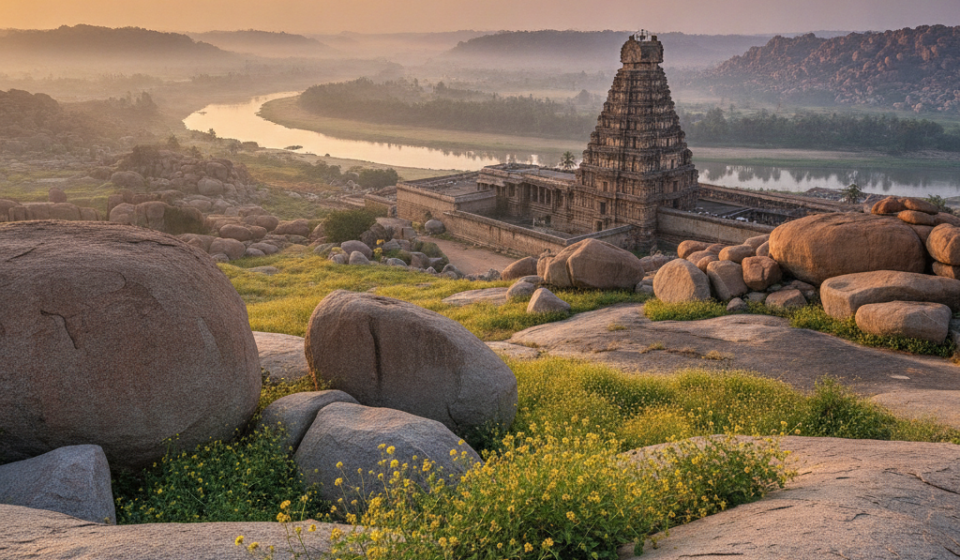

Southern India offers an extraordinary contrast of geographical features, where ancient granite temples stand against palm-fringed coastlines and mist-covered tea plantations. For many international and domestic travellers, organizing a comprehensive south india travel plan represents a journey through diverse cultures, distinct linguistic heritages, and deeply rooted culinary traditions that differ vastly from those of the northern states. Crafting such an exploration requires careful logistical preparation, as the five southern states of India cover an expansive territory of over 640,000 square kilometres. Managing this vast geographical footprint demands a structured south india travel plan to balance travel times with meaningful local exploration. It is basically the difference between a rushed trip and a memorable journey. With its unique architecture, spice-laden hills, and serene coastal networks, this region demands a methodical approach to travel planning rather than a hurried itinerary. By understanding the optimal transport connections, regional seasonal variations, and budget considerations, travelers can maximize their immersion in this historic region while minimizing administrative friction. Ultimately, Southern India rewards those who slow down and appreciate its historical complexity.
Key Takeaways
- Strategic Duration: A balanced multi-state south india travel plan requires 10 to 14 days, though 5-7 days is perfect for a single-state depth focus.
- Optimal Season: The peak window spans from October to March, offering dry and pleasant weather ideal for ruins and temples.
- Budget Range: Travel styles accommodate budgets from 1,700 INR per day (backpacker) to upwards of 47,000 INR per day (high-end luxury).
- Cultural Dress Codes: Modest attire is mandatory at historic temple complexes, and shoe removal is standard practice.
- Transit Planning: Early reservation of premium train berths (2AC/3AC) or private car rentals is essential to ensure smooth travel logistics.
Why Choose a South India Travel Plan?
The decision to travel through southern India is often driven by a desire to witness a region that has maintained a distinct cultural trajectory for millennia. Structuring a cohesive south india travel plan allows travellers to experience the massive architectural shifts between historical empires, from the Pallavas in Mahabalipuram to the Hoysalas in Belur. Unlike the northern regions of the country, which experienced successive waves of foreign invasions, the southern peninsula retained a continuous development of Dravidian culture, arts, and administrative systems.
“According to the Archaeological Survey of India, the temples of South India represent a continuous engineering lineage that has survived structurally intact for over a thousand years.”
The physical geography of the peninsula further enhances this cultural journey. The Western Ghats, a UNESCO World Heritage site older than the Himalayas, provide a continuous chain of biodiversity that shapes the climate and lifestyle of the entire region. Visitors can travel from the high-altitude tea plantations of Munnar down to the coastal backwaters of Alleppey in just a few hours. This geographical variety is why a dedicated south india travel plan must balance both historic architecture and nature. By focusing on a well-designed route, travellers avoid the common mistake of spending excessive time in transit, ensuring that each destination is allocated sufficient time for authentic engagement. Critics say that travel in India is inevitably chaotic. They are not entirely wrong – but a methodical approach easily dismantles this barrier.
The Best Time to Visit South India
When finalizing a south india travel plan, timing remains the most critical variable. The southern peninsula experiences a tropical climate, which means temperatures remain warm throughout the year, but the humidity and rainfall patterns vary across the states. Deciding the best time to visit South India is essential for a comfortable journey. The winter months, extending from October through March, represent the peak tourist season because of the pleasant, dry weather that is ideal for outdoor exploration. During this period, daytime temperatures typically hover between 20 and 30 degrees Celsius, making it comfortable to tour expansive temple complexes or walk through historical ruins.
Summer, which lasts from April to May, brings intense heat to the plains, with temperatures often exceeding 40 degrees Celsius in inland cities like Madurai or Vijayawada. The summer months are generally hot in the plains. But still, the high-altitude hill stations remain incredibly comfortable. This is the perfect season to retreat to high-altitude hill stations like Ooty, Kodaikanal, or Coorg, where the climate remains temperate. The monsoon season, spanning from June to September, brings heavy rainfall driven by the Southwest Monsoon, particularly along the coast of Kerala and the Western Ghats. While this season may disrupt transit schedules, it transforms the scenery into a lush, green environment. Any successful south india travel plan should account for these monsoon variations, as detailed below:
- Peak Season (October to March): Best suited for coastal regions, backwater cruises, and heritage sightseeing in Tamil Nadu and Karnataka.
- Shoulder Season (September and April): Offers lower accommodation prices and fewer crowds, though temperatures in April can be challenging.
- Monsoon Season (June to August): Highly recommended for Ayurvedic wellness therapies in Kerala and observing the waterfalls of the Western Ghats in full flow.
Understanding these seasons allows travelers to align their itineraries with specific regional activities, ensuring that weather conditions enhance rather than hinder their travel experience.
Comprehensive 10-Day South India Itinerary Options
Given the sheer size of the southern states, attempting to cover the entire region in a single, short vacation is impractical. Instead, a successful south india travel plan should focus on specific cultural or geographical corridors. Selecting a suitable South India itinerary is crucial for balancing travel and rest. Below are three highly structured 10-day itineraries, each designed to highlight a different facet of the peninsula’s rich heritage.
| Route Profile | States Visited | Primary Highlights | Ideal Travel Style |
|---|---|---|---|
| Classic Backwaters & Hills | Kerala | Kochi colonial port, Munnar tea estates, Periyar wildlife, Alleppey houseboats | Leisurely nature lovers, couples, wellness seekers |
| Temple & Heritage Corridor | Tamil Nadu, Puducherry | Mahabalipuram stone carvings, French Pondicherry, Tanjore Great Temple, Madurai | Art history enthusiasts, photographers, cultural explorers |
| Deccan Royal Heritage | Karnataka | Bangalore parks, Mysore Palace, Hoysala ruins (Hassan), Hampi UNESCO site | History buffs, architectural researchers, active sightseers |
Option 1: The Classic Kerala Backwaters and Hills Route
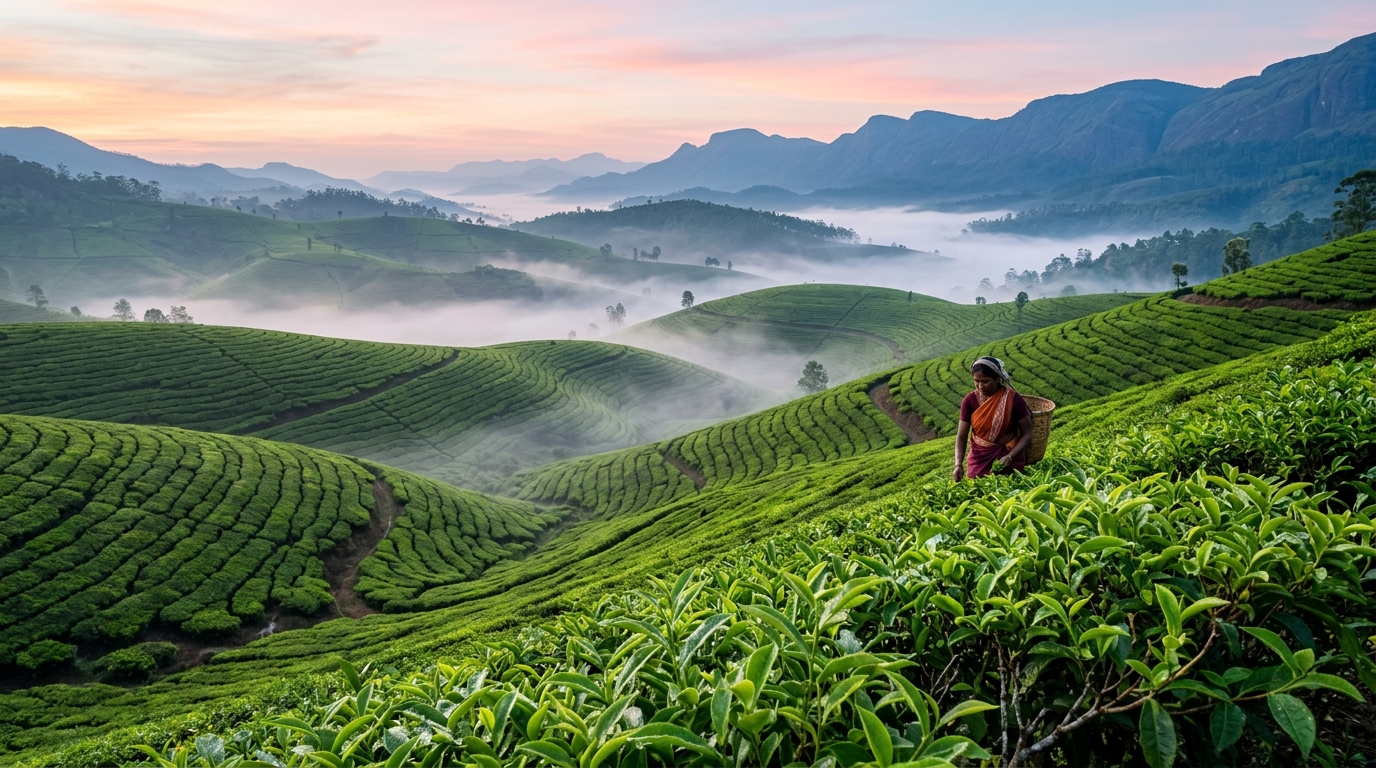
For those designing a 10-day south india travel plan, a route focused on Kerala is highly recommended for its balanced combination of colonial history, spice plantations, and coastal ecosystems. The journey begins in Kochi, a historic port city where Chinese fishing nets, Portuguese churches, and Dutch palaces illustrate centuries of global trade. From Kochi, the itinerary ascends into the Western Ghats toward Munnar, a region renowned for its expansive tea estates and cool climate. Incorporating Munnar into the south india travel plan offers a cool respite from the coastal humidity, allowing travellers to hike through Eravikulam National Park and observe the endangered Nilgiri tahr.
Following the mountain trails, the route descends toward Thekkady, home to the Periyar National Park, where boat safaris offer opportunities to spot wild elephants and diverse bird species. The true highlight of this route is the transition to Alleppey, where travellers board a traditional houseboat (locally known as a kettuvallam) to cruise the complex network of backwaters. To execute this part of the south india travel plan, one should book houseboats in advance to secure reliable services. For those looking to explore these serene waterways, booking curated Kerala travel packages provides a hassle-free way to manage local transport and lodging, concluding the journey with a relaxing stay on the beaches of Kovalam.
Option 2: The Tamil Nadu Temple and Heritage Route
An alternative south india travel plan focuses entirely on the architectural marvels of Tamil Nadu, a state where Dravidian temple architecture reached its artistic zenith. Starting in Chennai, the state capital, the itinerary proceeds to Mahabalipuram, a coastal town famous for its rock-cut monolithic temples and bas-reliefs carved during the Pallava dynasty. From there, travellers head south to Pondicherry, a charming coastal city that retains its distinctive French colonial architecture, cobbled streets, and unique spiritual heritage represented by Auroville.
The route then moves deeper into the delta region of Tanjore (Thanjavur), home to the Brihadeeswarar Temple, a thousand-year-old structural masterpiece built entirely of granite. This spectacular structure represents the height of Chola architecture, making this itinerary a vital component of a heritage-focused south india travel plan. The journey culminates in Madurai, one of the oldest continuously inhabited cities in the world, dominated by the colossal Meenakshi Amman Temple complex with its towering, multi-colored gopurams. Travellers interested in exploring these historic sites can opt for tailored Tamil Nadu travel packages to secure experienced local guides and comfortable intercity transport across this cultural corridor.
Option 3: The Karnataka and Golden Chariot Heritage Route
A third variation of the south india travel plan covers the royal heritage of Karnataka, linking modern technology hubs with ancient royal capitals and ruins. The route commences in Bangalore, known for its green parks and high-tech industry, before moving to Mysore, the city of palaces. Mysore Palace, illuminated by nearly one hundred thousand light bulbs on Sundays (a spectacular sight that attracts thousands of onlookers), showcases the opulent lifestyle of the Wodeyar dynasty. The journey then takes a significant historic turn north toward Hassan, the gateway to the exquisite 12th-century Hoysala temples at Belur and Halebidu, famous for their intricate soapstone carvings.
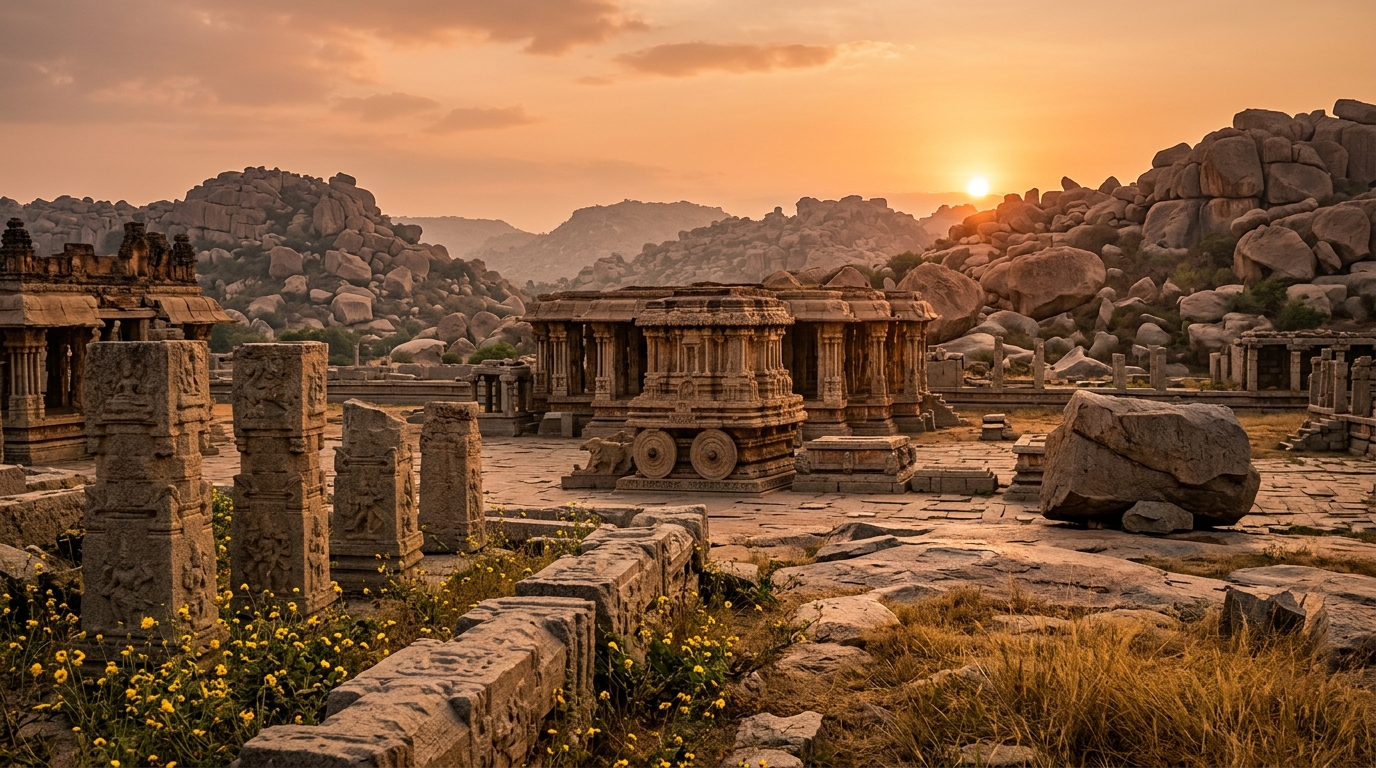
The climax of this route is Hampi, the ruined capital of the Vijayanagara Empire and a UNESCO World Heritage site. Walking through the boulder-strewn terrain of Hampi reveals spectacular stone temples, royal pavilions, and aquatic structures that speak of a lost golden age. For heritage enthusiasts, this ruins-to-palaces route is arguably the most artistically rewarding, making it an exceptional choice for a comprehensive south india travel plan, offering an in-depth study of the political and artistic history of Central Karnataka before returning to Bangalore for departure. This route is particularly ideal for history buffs who wish to understand the grand artistic legacies of medieval Deccan India.
Estimating Your South India Budget Guide Costs
A realistic south india travel plan must be backed by a precise financial estimation. Understanding the average costs of lodging, meals, and transport across different travel tiers helps prevent unexpected expenses during the journey. This South India budget guide provides a realistic breakdown of average daily costs. The financial framework of any south india travel plan depends heavily on transport choices and the desired level of comfort. Focus on your transport logistics, and how long you spend in each town. The rest comes later.
Accommodation Options and Pricing
When allocating funds within a south india travel plan, lodging represents the largest variable expense. Fortunately, the region offers a diverse array of accommodation styles, from budget-friendly heritage homestays to high-end luxury resorts in old palaces or tea estates. Accommodation rates, depending on the source and seasonal demand, can vary.Depending on your budget and preference, you can choose from these primary accommodation styles:
- Budget Homestays & Hostels: Clean, basic rooms, and government-run tourist guest houses ideal for budget travellers. Generally ranging from 800 to 1,500 INR per night.
- Boutique Heritage Hotels: Restored colonial villas, particularly popular in Fort Kochi and Pondicherry, providing unique historical context, typically priced between 2,500 and 5,500 INR.
- Luxury Resorts & Palaces: High-end luxury properties, private backwater villas, or luxury glamping sites in scenic hill stations, spanning 10,000 to over 25,000 INR per night.
Daily Food and Dining Expenses
Culinary exploration is a major highlight, and a south india travel plan should allocate specific daily allowances for local meals. Southern Indian cuisine is incredibly diverse, offering distinct culinary traditions across different states, such as the spice-heavy Chettinad dishes of Tamil Nadu and the coconut-and-seafood-rich preparations of coastal Kerala.
Dining options cater to all cost considerations:
- Local Messes & Cafes: Serving traditional vegetarian meals on a banana leaf for a very economical 400 – 700 INR per day.
- Mid-Range Family Restaurants: Offering diverse multi-cuisine options, local meat, and fresh seafood preparations ranging from 1,200 to 2,500 INR daily.
- Fine Dining & Hotel Restaurants: High-end gourmet dining experiences interpreting classic regional recipes, averaging 4,000 to 8,000 INR per day.
Budgeting for bottled drinking water, light snacks, and regional filter coffee is also essential for a comfortable journey.
Transportation Costs Across Southern States
Managing transport logistics is the backbone of an efficient south india travel plan. The southern states possess an extensive railway network that connects major cities and towns cheaply and comfortably, especially when booking air-conditioned sleeper classes. You must pay attention to the AC classes on the trains, particularly the 2AC (Two-Tier Air Conditioned Sleeper class) and 3AC (Three-Tier Air Conditioned Sleeper class). Experienced travellers swear by these classes for comfort.
To manage transit logistics efficiently, consider the following primary transport modes:
- Indian Railways: Highly economical for inter-city travel, particularly when using 2AC and 3AC air-conditioned sleeper compartments.
- Private Car with Driver: Offering unmatched flexibility for traveling through high-altitude hill stations and remote temple corridors.
- Local Commuting: Auto-rickshaws, metro networks in major cities, and local public buses representing the most cost-efficient transit methods.
| Expense Category | Budget Traveler (INR) | Mid-Range Traveler (INR) | Luxury Traveler (INR) |
|---|---|---|---|
| Accommodation (per night) | 800 – 1,500 | 2,500 – 5,500 | 10,000 – 25,000+ |
| Food & Dining (per day) | 400 – 700 | 1,200 – 2,500 | 4,000 – 8,000 |
| Local Transport (per day) | 300 – 600 (Buses/Trains) | 1,800 – 3,500 (Private Cab) | 4,500 – 8,000 (Premium SUV) |
| Sightseeing & Activities | 200 – 500 | 800 – 1,800 | 2,500 – 6,000 |
| Total Estimated Daily Cost | 1,700 – 3,300 | 6,300 – 13,300 | 21,000 – 47,000+ |
These figures are rough estimates that can fluctuate depending on the specific cities visited and the season of travel, but they provide a solid baseline for managing your travel finances.
Essential Tips for Travelling in South India
Executing a south india travel plan requires attention to cultural norms and regional logistics. Southern India is generally conservative, particularly regarding religious heritage sites, and being aware of local customs ensures a respectful and smooth experience. To execute this south india travel plan smoothly, follow this chronological planning sequence:
- Determine your preferred travel corridor (such as Kerala hills or Tamil Nadu temples).
- Book your flights to the primary gateway city (Kochi, Chennai, or Bangalore).
- Secure your overnight train reservations or hire a private vehicle with a driver.
- Confirm your accommodation bookings and verify temple entry timings.
Below are several critical tips to consider when preparing your itinerary:
- Temple Dress Codes: Many historic temples in Tamil Nadu and Karnataka enforce strict dress codes. Men are often required to wear dhotis or trousers (shorts are strictly forbidden), while women should wear sarees, salwar kameez, or long skirts. Some temples in Kerala require men to remove their shirts before entering the inner sanctum.
- Language and Communication: Hindi is not widely spoken in Southern India. Each state has its own distinct official language (Tamil in Tamil Nadu, Malayalam in Kerala, Kannada in Karnataka, and Telugu in Andhra Pradesh). However, English is widely understood and spoken in tourist hubs, hotels, and restaurants.
- Hydration and Health: The tropical climate can cause rapid dehydration. Always carry bottled purified water, and drink local tender coconut water, which is widely available, hygienic, and highly effective for maintaining electrolyte levels.
- Footwear Etiquette: Always remove your shoes before entering temples, shrines, and local homes. Most tourist temples have secure shoe storage areas at the entrance for a nominal fee.
- Booking Train Tickets Early: Indian Railways is the preferred mode of long-distance transit. Since berths sell out weeks in advance, finalizing your south india travel plan early allows you to secure confirmed tickets under the reservation system.
Adhering to these simple cultural and practical guidelines will prevent misunderstandings, ensuring that your south india travel plan remains stress-free and productive.
Frequently Asked Questions (FAQs)
What is the minimum number of days needed for a South India travel plan?
While five days are sufficient for a single state, a multi-state south india travel plan requires a minimum of ten to fourteen days. This duration allows for a balanced pace, preventing you from spending entire days in transit. If you only have a week, it is highly recommended to focus exclusively on either Kerala or Tamil Nadu rather than attempting to combine them.
Is South India safe for solo female travellers?
Southern India is widely considered to be one of the safest regions in the country for solo female travellers. The crime rate against tourists is low, and local communities are generally helpful and welcoming. But still, standard travel precautions should be observed. When designing a south india travel plan, it is advisable to book reputable hotels, avoid walking in isolated areas after dark, and use pre-arranged or app-based taxi services for night transit.
How do I travel between cities in South India efficiently?
The most efficient way to travel between major cities is by using the extensive Indian Railways network, which offers comfortable overnight trains. For destinations not connected by rail, such as hill stations, hiring a private car with a driver remains the most practical solution, which must be mapped out in the initial south india travel plan to ensure cost-efficiency.
What are the must-try dishes in South India?
The culinary palette of the south extends far beyond the ubiquitous idli and dosa. In Kerala, try the traditional sadhya (a multi-course vegetarian feast served on a banana leaf) and karimeen pollichathu (pearl spot fish marinated in spices and grilled in a banana leaf). In Tamil Nadu, sample the aromatic Chettinad chicken and the iconic filter coffee. Karnataka offers the rich, ghee-laden Mysore pak and bisi bele bath (a hot, spicy lentil rice dish).
Conclusion
Ultimately, a well-structured south india travel plan serves as a roadmap to one of India’s most culturally rich and geographically diverse regions. By balancing historic temple tours with tranquil natural retreats, travellers can experience a completely different rhythm of Indian life. Whether walking through the misty tea gardens of Munnar, cruising the calm backwaters of Alleppey, or standing in awe under the massive stone gates of Madurai’s temples, the southern states offer experiences that linger in the memory long after the journey ends. By utilizing this south india travel plan, travelers can balance historic monuments with tranquil natural retreats, ensuring a meaningful and highly organized exploration of this extraordinary peninsula.