

Developing a successful south india travel plan requires an appreciation for the region’s distinct geography, cultural heritage, and varied climatic zones. For decades, standard travel programs concentrated primarily on northern destinations. But still, the southern peninsula offers an equally compelling experience that rewards deliberate coordination. The region features a sophisticated network of historical monuments, biological reserves, and coastal ecosystems. A well-considered south india travel plan prevents common travel mistakes. It is essentially the baseline requirement for experiencing the peninsula without logistical friction. This guide details the structural parameters needed to execute an integrated regional journey.
Key Takeaways for Your South India Travel Plan
- Diverse Regional Landscapes: Master the geographical boundaries across Kerala, Tamil Nadu, and Karnataka to experience distinct tropical backwaters, arid temple plains, and high-altitude plateaus.
- Strategic Seasonal Timing: Plan your journey between December and February for the most comfortable temperatures and minimal rainfall.
- Buffer for Mountain Logistics: Account for slower transit speeds in the Western Ghats by utilizing overnight trains or booking private transport.
- Cultural Dress Codes: Respect local customs by wearing modest traditional attire at historical Dravidian temple complexes.
- Customized Itineraries: Select a route between 7 and 14 days based on your preference for wild sanctuaries, heritage trails, or scenic coasts.
The Geographic and Cultural Scope of South India
Understanding the regional layout is the first step when constructing a south india travel plan. This expansive territory contains diverse environments, ranging from high-altitude tea plantations to extensive tropical coastlines.
Defining the Southern States and Territories
The southern portion of the Indian peninsula comprises five prominent states along with the union territories of Lakshadweep and Puducherry. For a comprehensive south india travel plan (which frequently spans multiple states), recognizing these boundaries is crucial for transport coordination:
- Kerala: Occupies a narrow coastal strip characterized by wet tropical conditions, serene backwaters, and pristine beaches.
- Tamil Nadu: Defined by its arid eastern plains, extensive Coromandel coastline, and rich Dravidian cultural heritage.
- Karnataka: Features high-altitude Deccan plateaus, dense deciduous forests, and sprawling coffee estates.
- Andhra Pradesh and Telangana: Known for historical forts, rich culinary heritages, and expansive river basins.
- Puducherry and Lakshadweep: Coastal union territories offering unique French-colonial architecture and pristine coral reef ecosystems respectively.
Including these varied regions in a single south india travel plan requires an understanding of how these states connect. For example, traveling from Bangalore to Kochi involves traversing winding mountain passes. This diversity is why a standardized south india travel plan cannot capture the full spectrum of the peninsula. Travelers must analyze each state individually to determine where their interests lie. Historically, regional trade routes dictated connections; today, modern highways and domestic flights make multi-state journeys highly efficient.
Key Cultural and Architectural Highlights
The architectural identity of the south is distinct from that of the north. This divergence is primarily visible in the monumental temple structures. A key feature of any heritage-focused south india travel plan is the Dravidian architectural style, which is prominent throughout Tamil Nadu. Unlike northern temples, southern complexes feature massive entrance towers known as Gopurams (the highly ornate, multi-tiered gateway towers). These structures dominate the local skyline and serve as focal points for architectural studies. The region also preserves classical performance arts, such as Kathakali from Kerala. A strategic south india travel plan should allocate sufficient time to observe these performances in their traditional contexts. Critics say that visiting too many temple towns causes travel fatigue. They are not entirely wrong, but the architectural variation remains immense. Therefore, a balanced south india travel plan must integrate these cultural elements with natural sanctuaries to maintain an engaging travel pace throughout the entire journey.
Why Planning Your South India Trip Requires Strategy
Spontaneity is rarely successful when traveling through the southern peninsula. To ensure a flawless journey, executing a structured south india travel plan remains the most reliable method for managing daily transitions.
Understanding Travel Distances and Logistics
One of the primary errors travelers make is underestimating transit times between major hubs. A realistic south india travel plan must account for the geographical barriers of the Western and Eastern Ghats. Road travel through these mountain ranges is slow, with average speeds often dropping to roughly 30 kilometers per hour due to winding roads (depending on seasonal weather conditions). Therefore, a well-structured south india itinerary must balance road travel with rail or domestic flights. For instance, traveling from Cochin to Munnar is a mere 120 kilometers, but the journey takes at least four hours by car. Relying solely on digital navigation tools can lead to unrealistic schedules. Designing an efficient south india travel plan requires allocating dedicated buffer days for transit. This is especially true when organizing a multi-destination south india trip, where consecutive long-distance drives can cause physical exhaustion. Using overnight rail services is often a highly practical alternative for covering large distances without wasting daytime hours.
Choosing the Best Time to Visit South India
Climatic variation across the peninsula is significant, making seasonal timing a critical element of your south india travel plan. The regional climate is dominated by two distinct monsoon systems:
- The Southwest Monsoon (June to September): Brings heavy rainfall, transforming the Western Ghats into lush green sanctuaries ideal for wellness retreats.
- The Northeast Monsoon (October to November): Affects the eastern coast, particularly Tamil Nadu, with moderate to heavy showers.
- The Winter Peak Season (December to February): Offers moderate temperatures and minimal rainfall. This is widely considered the best time to visit south india.
During this period, daytime temperatures in the plains average roughly 28 degrees Celsius, while hill stations can experience near-freezing nights. Incorporating seasonal insights into your south india travel plan ensures that outdoor activities are not disrupted by extreme heat. Traveling during the shoulder seasons can offer reduced accommodation rates, though high humidity is to be expected. To assist with seasonal coordination, travelers can reference the typical climatic patterns outlined below, which demonstrate how weather shifts dynamically throughout the calendar year.
| Season | Months | Average Temperature | Recommended Destinations |
|---|---|---|---|
| Winter (Peak) | December to February | 18°C – 30°C | Kerala Backwaters, Tamil Nadu Temples, Coorg |
| Summer (Off-Peak) | March to May | 25°C – 40°C | Munnar, Ooty, Kodaikanal (Hill Stations) |
| Monsoon (Green Season) | June to November | 22°C – 32°C | Wayanad, Ashtamudi (Ayurvedic Retreats) |
The Ultimate South India Itinerary Options
To accommodate different travel styles and timeframes, selecting a pre-configured routing structure is highly recommended. These itineraries serve as the structural framework for a successful south india travel plan.
The Classic 10-Day Kerala and Tamil Nadu Route
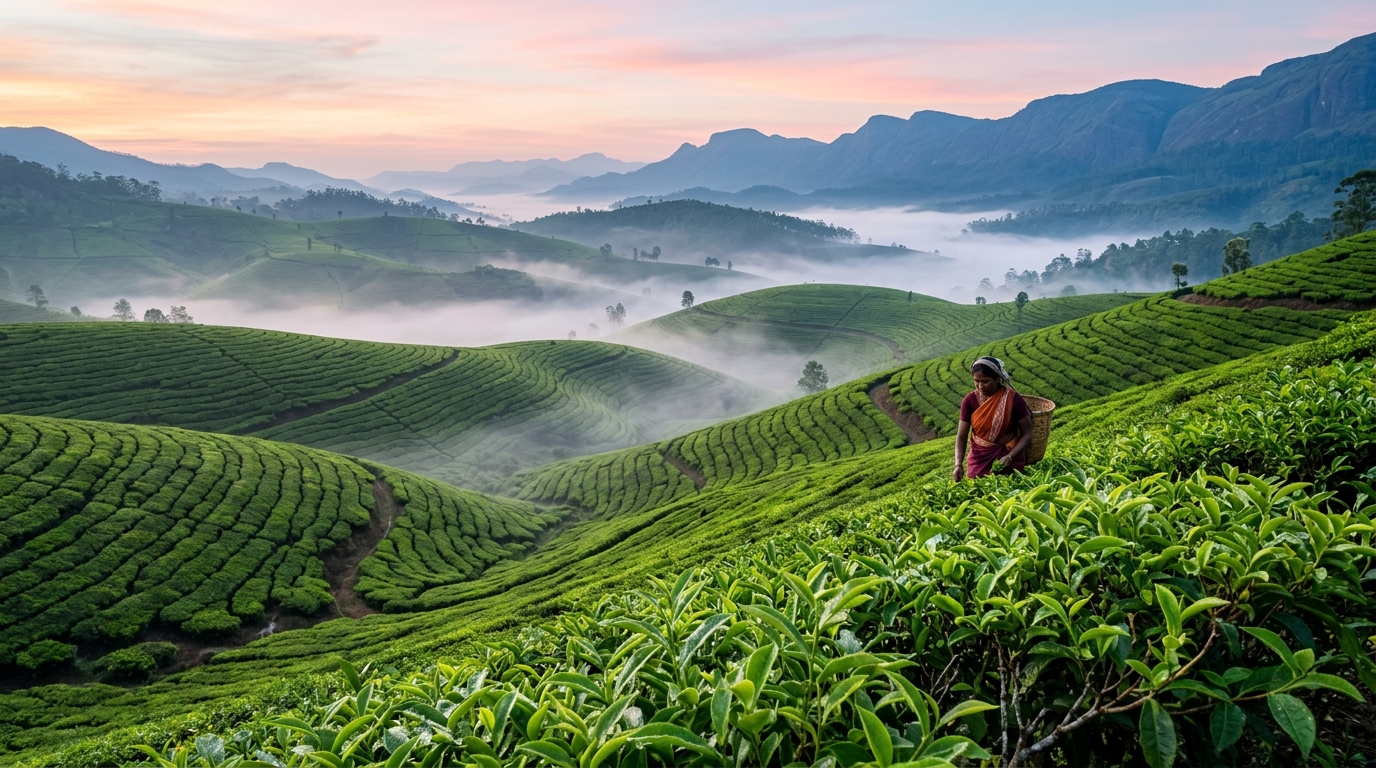
For travelers seeking a balanced overview, a 10-day south india travel plan combining Kerala and Tamil Nadu is highly efficient. This route starts in Kochi, a historical port city known for its colonial architecture and Chinese fishing nets. From Kochi, the itinerary proceeds to Munnar to view the tea plantations, before moving east across the Western Ghats into Tamil Nadu. Here, travelers visit Madurai, home to the ancient Meenakshi Amman Temple. This combination of natural environments and historic monuments represents a classic south india itinerary. The journey then continues to Tanjore, before concluding in Chennai. This logical sequence minimizes overall backtracking. Integrating these two states into your south india travel plan provides a stark contrast between the tranquil waterways of Kerala and the vibrant, bustling temple towns of Tamil Nadu. It is essentially the most popular path for first-time international visitors who wish to capture the dual essences of the southern peninsula.
The 14-Day Heritage and Hill Station Journey
A more comprehensive 14-day south india travel plan allows for a deeper exploration of Karnataka alongside Kerala. This route begins in Bangalore, the modern technology hub, before moving to the historical city of Mysore to view the Amba Vilas Palace. From Mysore, the journey heads into the Western Ghats to Coorg, a prominent coffee-growing region. This long-duration south india travel plan is ideal for those who prefer to explore wilderness areas and historical ruins at a relaxed pace. After Coorg, travelers proceed south to Wayanad in Kerala, followed by a journey to Kozhikode. This layout provides an excellent blend of wildlife encounters and cultural visits. Adding Karnataka to your south india travel plan ensures a diverse mix of royal heritage, agricultural estates, and wildlife sanctuaries. It is an approach that requires careful booking of private transport, as train links through the mountainous sections of Coorg are non-existent.
The 7-Day Coastal and Spiritual Escape
For travelers with limited time, a 7-day south india travel plan focusing on the southeastern coast offers a highly concentrated cultural experience. This itinerary starts in Chennai and proceeds immediately to Mahabalipuram, a coastal town famous for its seventh-century rock-cut monuments. From Mahabalipuram, the route leads to the former French colony of Pondicherry, which retains a distinct architectural style and European atmosphere. A concise south india travel plan of this nature reduces long-distance transit, allowing for a more immersive experience at each location. The trip concludes with a visit to Chidambaram before returning to Chennai. This route is particularly suitable for travelers interested in art and coastal scenery. It is arguably the most logistically straightforward option, as the roads along the East Coast Road (ECR) are well-maintained and offer efficient travel speeds, ensuring that transit days are fast and stress-free.
Essential Destinations for Your South India Travel Plan
To maximize the value of your regional journey, several key areas deserve priority placement. These selected south india tourist places represent the diverse ecological and cultural facets of the southern states. A comprehensive south india travel plan must encompass these landmarks to capture the essence of the peninsula.
Kerala Backwaters and Coastline
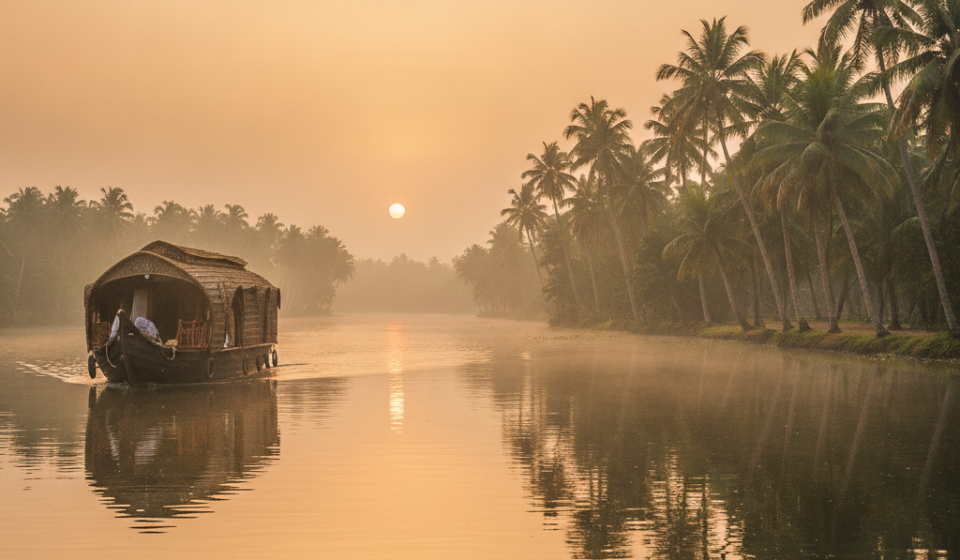
The coastal state of Kerala is globally recognized for its unique network of brackish lagoons and lakes. Incorporating a cruise on a traditional Kettuvalam (a large, thatched-roof houseboat made from wooden planks held together with coir ropes) into your south india travel plan is highly recommended. These vessels navigate the serene backwaters of Alappuzha, offering an intimate view of rural life. Utilizing dedicated Kerala tour packages ensures that houseboat reservations and coastal transfers are coordinated smoothly. The peaceful nature of the backwaters provides a restorative contrast to the busy urban centers of neighboring states. This unique aquatic ecosystem remains a primary draw for international visitors, making it a mandatory component of a balanced south india trip.
Tamil Nadu Heritage Centers
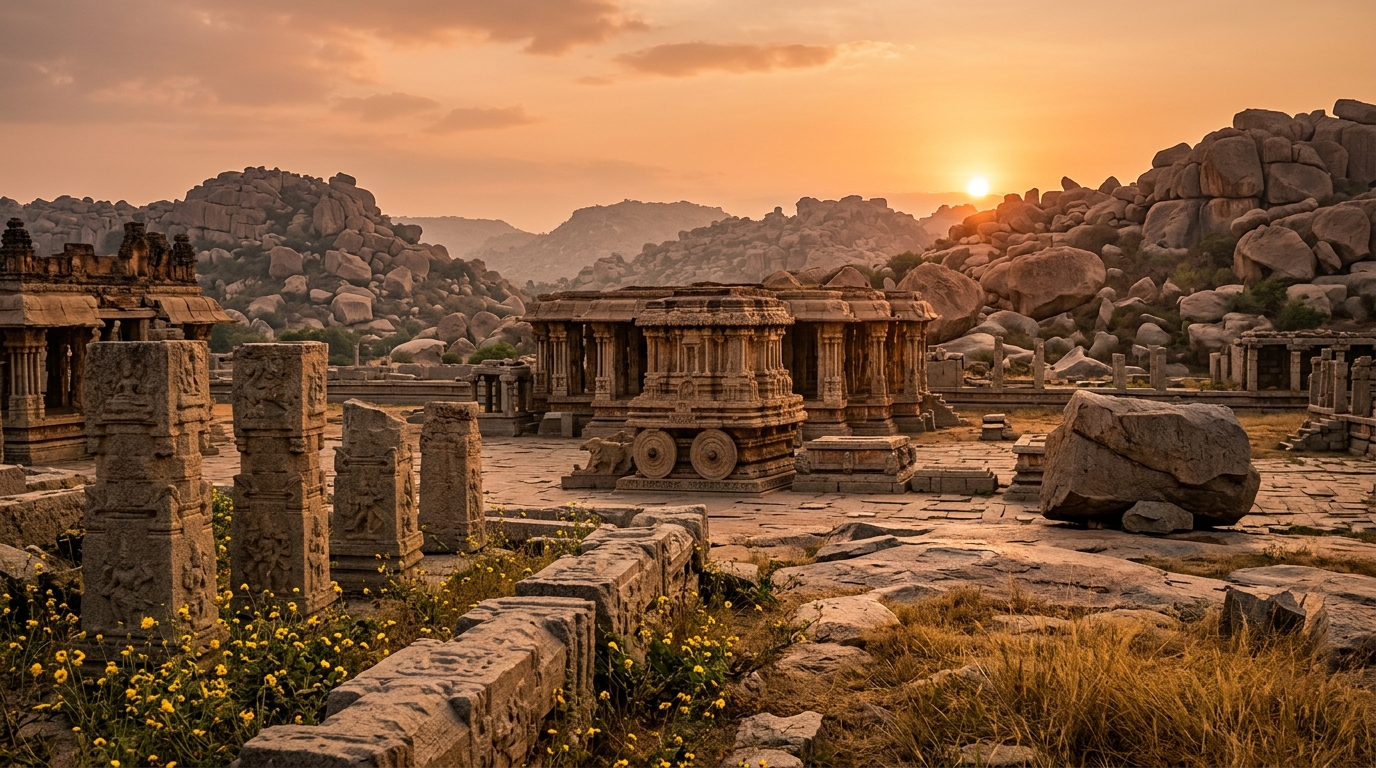
Tamil Nadu contains some of the most impressive religious monuments in Asia, featuring temples that have been active centers of worship for over a thousand years. When designing a cultural south india travel plan, cities like Madurai, Tanjore, and Trichy must be included. The Brihadisvara Temple in Tanjore is a prime example of Chola dynasty architecture, constructed entirely of granite. Travelers can explore these historic sites efficiently through curated Tamil Nadu tour packages, which simplify local guiding and transport logistics. The preservation of classical music and dance traditions in these heritage centers provides visitors with an authentic encounter with ancient Indian civilization. These sites are living institutions where traditional rituals continue to be practiced daily.
Karnataka Palaces and Wilderness
Karnataka offers a diverse combination of royal heritage and ecological preservation. Mysore is famous for its grand palace, which is illuminated by over 97,000 lightbulbs on Sunday evenings and holidays. Beyond the cities, the state features exceptional hill stations and wildlife reserves. Coorg is a premier destination for coffee enthusiasts and nature hikers, offering misty hills and rich biodiversity. To experience this highland retreat, travelers can utilize customized Coorg travel packages to secure stays in traditional coffee estate homestays. Additionally, the Kabini forest reserve offers opportunities to view wild elephants in their natural habitats. This combination of royal opulence and protected wilderness makes Karnataka a highly rewarding region, and integrating this state into your south india travel plan adds considerable ecological value.
Practical Tips for a Smooth South India Trip
Local Transport and Connectivity Options
Traveling through the southern states requires a combination of transport modes. For long-distance travel, domestic flights connect major cities like Bangalore, Chennai, Kochi, and Hyderabad efficiently. However, to experience the scenic vistas of the Western Ghats, utilizing the extensive Indian Railways network is highly recommended. For short distances and day trips, hiring a private vehicle with a professional driver is the most reliable option (providing maximum flexibility and comfort). An organized south india travel plan should define transport bookings well in advance, especially during the peak winter season when train tickets sell out weeks ahead. Understanding these local transport nuances helps travelers avoid delays and maintain their scheduled itinerary throughout their south india trip.
| Transport Mode | Best For | Booking Recommendation | Travel Tip |
|---|---|---|---|
| Domestic Flights | Inter-state transit (e.g., Bangalore to Kochi) | 1-2 months in advance | Saves daytime hours when traversing non-adjacent states. |
| Indian Railways | Scenic overnight travel and heavy luggage | 30-60 days prior via IRCTC | Book AC 2 Tier or 3 Tier class for optimal comfort and security. |
| Private Car & Driver | Winding hill passes, rural routes, and flexibility | Pre-book via reputable travel operators | Excellent for mountainous terrains like Munnar, Ooty, or Coorg. |
Cultural Etiquette and Temple Dress Codes
Respecting local cultural norms is essential when visiting religious sites across South India. Many prominent temples enforce strict dress codes for both domestic and international visitors. Men are typically required to wear a traditional dhoti (a piece of cloth wrapped around the waist) or long trousers, while women must wear sarees, salwar kameez, or clothing that covers the shoulders and knees. Additionally, footwear must be removed before entering any temple complex; most venues provide secure shoe-keeping stalls at the entrance. Photography is strictly prohibited inside the inner sanctums of these historic structures, though it is often permitted in the outer courtyards. Integrating these cultural sensitivities into your south india travel plan ensures that interactions remain mutually respectful.
- Footwear Removal: Always leave shoes at the designated entrance counter before entering temple premises.
- Dress Code Compliance: Avoid sleeveless shirts, shorts, or tight-fitting attire. Opt for traditional or modest clothing.
- Photography Restrictions: Respect signs prohibiting cameras, particularly near the inner deities or sanctums.
- Circumambulation: Walk clockwise around the central shrine as a sign of respect, following the flow of local devotees.
Cuisine Guide and Dietary Advice
Southern Indian cuisine is distinct from northern food, relying heavily on rice, lentils, coconut, and a rich array of local spices. Staple dishes like dosas (thin fermented rice crepes), idlis (steamed rice cakes), and sambar (a flavorful lentil soup) are widely served for breakfast. The region is exceptionally accommodating for vegetarian travelers, as a vast majority of restaurants offer fully vegetarian menus. However, southern dishes are often far spicier than those found in Western countries. Travelers with low spice tolerances should request mild preparations when dining at local establishments. Sampling the local filter coffee, brewed with chicory and served with frothed milk, is a highly recommended cultural experience that completes any daily culinary journey. This detailed approach to diet and health is another foundational block of a sensible south india travel plan.