
Planning an extensive journey across the southern peninsula of India requires more than just booking flights and picking hotels. The geographical and cultural diversity of the region, which spans Dravidian temples, spice plantations, and quiet backwaters, demands a highly structured travel strategy. Developing a comprehensive south india travel plan is the most effective way to balance historical exploration with leisure, ensuring no major cultural landmark or scenic destination is overlooked. Rather than rushing through multiple states, a well-calibrated approach focuses on regional highlights, cultural immersion, and logical transit routes. This guide provides a detailed roadmap, practical logistics, and realistic financial projections to assist in executing a smooth journey. Establishing a solid south india travel plan ensures that the distinct culinary, architectural, and natural characteristics of the region can be experienced without unnecessary administrative friction. By prioritizing depth of experience over sheer speed, travelers can fully engage with the unique cultural identity of each distinct state.
Key Takeaways:
- Strategic Route: A 10-day corridor from Bengaluru to Kerala captures the region’s best urban, highland, and coastal transitions.
- Cultural Preservation: Expect deep engagement with ancient Dravidian architecture, classical arts, and authentic Ayurvedic wellness.
- Transport Priority: Pre-booking express trains or hiring private drivers is essential for seamless state-to-state transit.
- Budget Diversity: South India caters to all traveler profiles, from budget homestays to ultra-luxury Ayurvedic retreats.
Why Choose South India for Your Next Getaway?
The southern states of India offer a distinct contrast to the northern plains, characterized by a more relaxed pace of life, ancient temple architecture, and highly preserved cultural traditions. From the modern technology hubs of Karnataka to the tranquil backwaters of Kerala and the ancient temple towns of Tamil Nadu, the region presents a diverse array of experiences. For travelers seeking a balanced mix of history, wellness, and nature, a south india travel plan provides access to some of the most culturally intact destinations in Asia. South India is arguably one of the most culturally intact regions in Asia, having maintained many of its classical traditions, from classical Carnatic music and Bharatanatyam dance to ancient Ayurvedic healing practices that have been passed down through generations.
Furthermore, the geographical variations are dramatic. Within a few hours of travel, one can ascend from sandy coastlines to high-altitude tea estates situated thousands of feet above sea level (often feeling like an entirely different climatic zone). According to a study published by the Ministry of Tourism of India (and depending on how seasonal pilgrims are categorized), temple destinations in Tamil Nadu saw over twenty percent of the domestic tourist footfall, highlighting the deep cultural draw of the region.
For those planning their journey, comparing regional travel characteristics can help in structuring a more effective south india travel plan. The table below outlines the primary contrasts between different geographical sectors to assist in decision-making.
| Geographical Sector | Primary Attractions | Ideal Traveler Type | Recommended Duration |
|---|---|---|---|
| Deccan Plateau & Hills (Karnataka) | Palaces, hill stations, coffee estates, wildlife sanctuaries | Nature enthusiasts, history buffs, coffee lovers | 3 to 5 Days |
| Malabar Coast (Kerala) | Backwaters, houseboats, Ayurvedic wellness retreats, beaches | Wellness seekers, slow-travel advocates | 4 to 6 Days |
| Coromandel Coast (Tamil Nadu) | Dravidian stone temples, heritage towns, coastal French architecture | Cultural historians, architecture enthusiasts | 5 to 7 Days |
Selecting the right destinations depends heavily on personal preferences. However, a balanced south india travel plan successfully combines elements from each of these sectors. This integration ensures that a single trip covers both the cool highlands of the Western Ghats and the tropical warmth of the coastal plains.
The Perfect 10-Day South India Travel Plan Route
Some travel planners argue that a ten-day period is too short to cover multiple states. They are not entirely wrong. However, focusing on a precise geographic corridor yields a far more rewarding experience than trying to cross the entire peninsula in haste. Designing a south india travel plan of this duration requires careful consideration of transit corridors. This itinerary begins in the urban center of Bengaluru, moves through the historic city of Mysuru, ascends into the emerald hills of Coorg, and culminates in the tranquil waterways of Kerala. It is basically a curated corridor that captures the essential transitions of the southern peninsula.
When organizing a south india travel plan, logistics must be prioritized. Utilizing private surface transport or well-timed rail connections is essential for moving between these locations without wasting valuable daytime hours. The following sections break down the recommended day-by-day progression, highlighting the key sites and activities that should form the core of the journey. By sticking to a structured route, travelers can avoid the fatigue associated with unguided overland travel, though not without exceptions during festive peak times.
Days 1 to 3: The Heritage and Urban Energy of Bengaluru and Mysuru
The journey begins in Bengaluru, the technological capital of India (often referred to as the Silicon Valley of Asia), which serves as an excellent entry point due to its world-class airport and comprehensive transport infrastructure. Key initial steps include:
- Acclimatize in Bengaluru: Spend a day exploring green spaces like the Lalbagh Botanical Garden to ease into the regional climate.
- Transit to Mysuru: Travel approximately 140 kilometers south to transition from modern tech hubs to rich royal heritage.
- Bridge the Eras: Experience how Mysuru beautifully bridges old-world charm with rapid 21st-century development.
Allocating two days of the south india travel plan to Mysuru allows for an unhurried exploration of the Mysore Palace. This architectural marvel features a blend of Indo-Saracenic, Dravidian, and Roman design elements. Visitors should plan their visit to coincide with the evening illumination. For those seeking structured travel arrangements, booking a Bangalore and Mysore vacation package through TravelDham is an excellent way to secure professional local guides and efficient private transfers. During this segment of the south india travel plan, a visit to the historic town of Srirangapatna is highly recommended to explore the summer palace, Daria Daulat Bagh, revealing intricate teakwood carvings and mural paintings depicting historical military victories.
Days 4 to 6: Exploring the Pristine Hills of Coorg
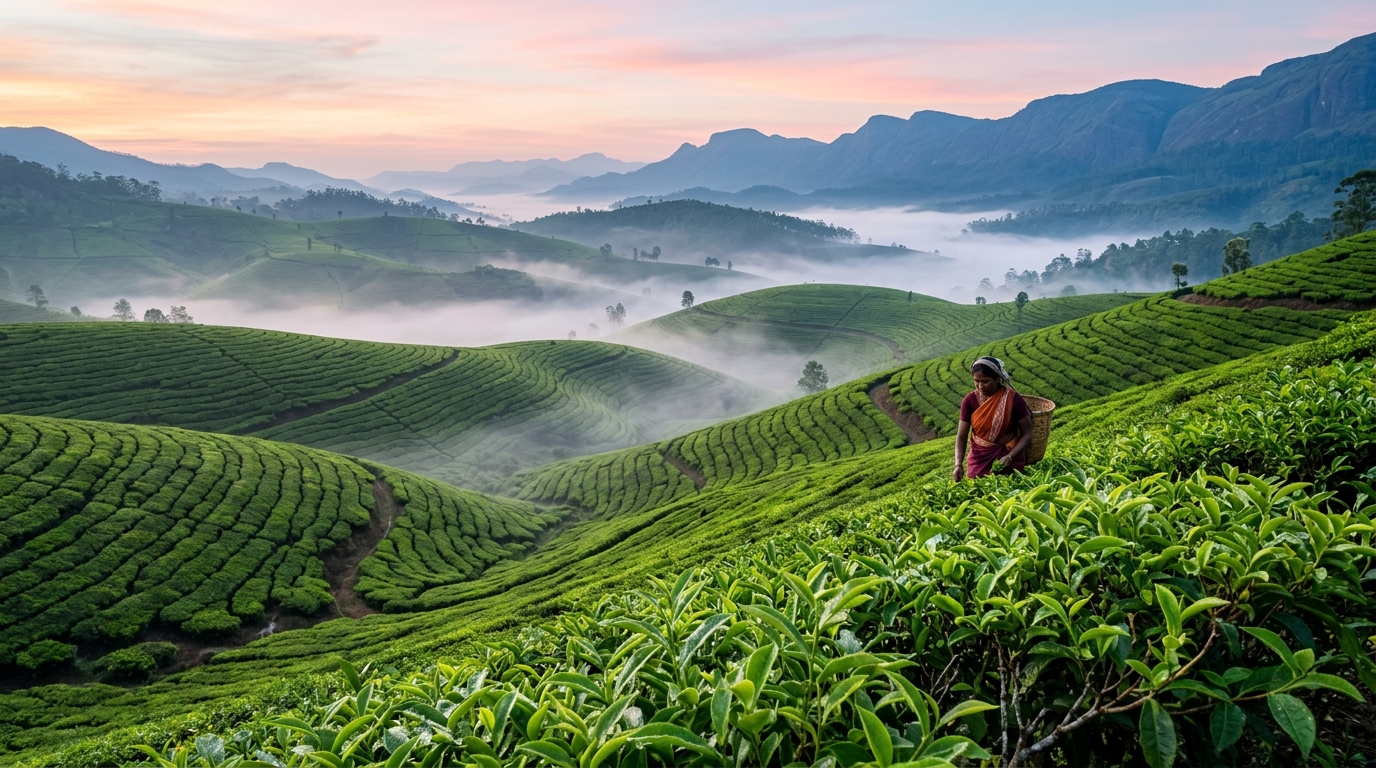
Leaving the plains of Mysuru behind, the route ascends into the Western Ghats to reach Kodagu, universally known as Coorg. This mountainous district is famous for its dense coffee plantations, mist-covered valleys, and unique local culture. Incorporating Coorg into a south india travel plan provides a refreshing contrast to the warm coastal plains that follow. The journey from Mysuru to Madikeri, the district headquarters of Coorg, takes approximately three to four hours by road, winding through scenic agricultural lands.
To fully experience the highland atmosphere, travelers should spend three days immersed in nature. Key attractions include:
- Abbey Falls: Dramatic waterfalls nestled within dense foliage and spice estates (best visited immediately after the monsoon rains).
- The Golden Temple: Located in Bylakuppe, this is one of the largest Tibetan settlements in India.
- Dubare Elephant Camp: A conservation center along the Kaveri River.
An essential part of any south india travel plan in this region is staying on a working coffee estate. Many families host travelers, offering home-cooked Kodava meals. Traditional home-cooked Kodava meals offer an incredibly authentic culinary experience. But still, the spice levels can catch unprepared travelers off guard. For an organized, hassle-free highland experience, exploring the Coorg holiday packages offered by TravelDham can simplify accommodation and transport logistics. Many properties operate on the MAPAI plan (Modified American Plan with Jungle Activities included) in plantation areas. Understanding these meal plan acronyms prevents billing surprises.
Days 7 to 10: The Serene Backwaters and Culture of Kerala
The final leg of this 10-day south india travel plan descends from the hills of Karnataka into the coastal plains of Kerala, often referred to as “God’s Own Country.” This transition can be achieved via a scenic road journey to the coastal city of Kochi, which serves as the gateway to the famous backwaters. Kochi itself is a historic port city where Chinese fishing nets, Portuguese temples, and Dutch palaces coexist along the Arabian Sea, showing a rich legacy of spice trade and colonial exploration.
From Kochi, the south india travel plan moves south to Alappuzha or Kumarakom, the primary hubs for backwater cruises. Key experiences in this final leg include:
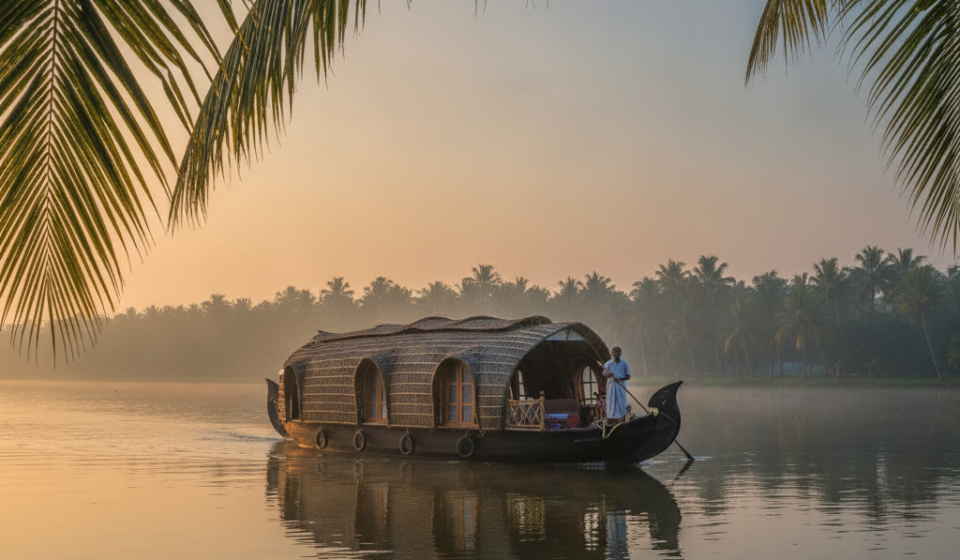
- Houseboat Overnight Stay: Gliding through narrow, palm-fringed canals on a traditional houseboat to observe the daily rhythms of local life.
- Coastal Exploration Planning: Utilizing curated Kerala travel itineraries from TravelDham to balance tranquil backwaters with pristine beaches.
- Cultural Immersion: Visiting regional cultural centers to witness classical arts before optionally extending the journey east to explore Tamil Nadu for its deep classical history.
Essential Travel Tips for Exploring South India
Successfully executing a south india travel plan requires practical preparation and an understanding of regional customs. Unlike northern India, where Hindi is widely understood, the southern states are linguistically distinct, with Kannada, Tamil, and Malayalam serving as the primary languages. While English is widely spoken in urban centers and tourist destinations, learning a few basic phrases in the local language can facilitate warmer interactions with residents.
When building a south india travel plan, transit options must be evaluated carefully. The Indian railway network is extensive, but popular routes require booking several months in advance. For shorter distances and flexible regional travel, hiring a private car with a professional driver remains the most comfortable option. This choice eliminates the stress of dealing with local bus schedules and allows for spontaneous stops at roadside spice stalls or scenic viewpoints.
To help you plan your journey, the table below provides a practical comparison of the main transit modes available for your south india travel plan.
| Transport Mode | Best Used For | Pros | Cons |
|---|---|---|---|
| Private AC Sedan/SUV | Inter-city road travel (e.g., Mysuru to Coorg) | Maximum flexibility, luggage safety, direct door-to-door transit | Higher cost than public options |
| Vande Bharat Express | Major inter-city links (e.g., Bengaluru to Chennai) | High speed, comfortable seating, reliable schedules | Requires advanced booking; fixed routes |
| KSRTC / Private Buses | Budget-conscious mid-distance routes | Very economical, frequent departures | Can be bumpy, prone to traffic delays |
| Domestic Flights | Long-distance crossings (e.g., Bengaluru to Kochi) | Saves significant travel time | Airport transfers and security checks add time |
Cultural etiquette is another critical factor to integrate into a south india travel plan. To respect local traditions, travelers must adhere to these rules:
- Dress Respectfully: Keep shoulders and knees covered when visiting temples.
- Remove Footwear: Always remove shoes before entering temple premises and homes.
- Photography Restrictions: Many temples strictly prohibit photography inside the inner sanctum.
Health and dietary considerations also play an important role. To ensure a safe culinary experience, keep these guidelines in mind:
- Local Ingredients: Southern Indian cuisine heavily features coconut oil, rice, and a complex array of native spices.
- Spice Tolerance: Standard breakfast items like idli and dosa are mild, but traditional dinner curries can be exceptionally spicy.
- Hydration Rules: Rely exclusively on bottled, sealed, or thoroughly purified water throughout your entire journey.
Detailed Budget Estimates for a South Indian Tour
A critical component of any realistic south india travel plan is a transparent and detailed financial breakdown. South India is generally considered a highly cost-effective destination, offering excellent value across various spending categories. Whether traveling on a modest budget or seeking a high-end luxury wellness retreat (an increasingly popular sector in Kerala), understanding where the funds are allocated helps avoid unexpected expenses. Based on financial analysis compiled by the World Travel and Tourism Council in their latest regional digest, domestic tourism spending in India has shown consistent growth, reflecting the infrastructure developments across the southern states.
To assist in financial planning, the overall costs of a 10-day south india travel plan have been divided into three distinct tiers: Budget, Mid-Range, and Luxury. These estimates cover accommodation, transport, meals, and sightseeing fees.
| Expense Category | Budget Tier (INR) | Mid-Range Tier (INR) | Luxury Tier (INR) |
|---|---|---|---|
| Accommodation (Per Night) | ₹1,500 – ₹3,000 | ₹4,500 – ₹8,000 | ₹15,000 – ₹30,000+ |
| Local Transport (Daily Average) | ₹800 – ₹1,500 (Trains/Buses) | ₹3,000 – ₹5,000 (Private Sedan) | ₹6,000 – ₹10,000 (Luxury SUV) |
| Meals & Dining (Daily Per Person) | ₹500 – ₹1,000 | ₹1,500 – ₹3,000 | ₹4,000 – ₹8,000 |
| Sightseeing & Activities (Total) | ₹2,000 – ₹4,000 | ₹6,000 – ₹12,000 | ₹15,000 – ₹25,000 |
| Estimated Total for 10 Days | ₹30,000 – ₹50,000 | ₹85,000 – ₹1,40,000 | ₹2,50,000 – ₹4,50,000+ |
Accommodations represent the largest variable in any south india travel plan. Budget travelers can utilize clean heritage guesthouses and homestays, which often provide a more authentic local experience. Mid-range travelers will find an abundance of boutique heritage hotels, modern business properties, and eco-lodges. Those seeking luxury can opt for world-class resorts, converted colonial mansions, and premium wellness sanctuaries that specialize in traditional Ayurvedic therapies, offering customized diets and daily rejuvenating treatments.
For transport, hiring a dedicated vehicle with a driver is highly recommended for mid-range and luxury tiers. This setup ensures transitions between the hills of Coorg and the coastal plains of Kerala, saving hours of waiting at public transit hubs. Additionally, dedicating a small portion of the budget to tipping local guides and drivers is customary and highly appreciated across the region.
FAQs
What is the best time to visit South India?
The ideal period to execute a south india travel plan is between October and March. During these winter months, the climate is pleasantly cool and dry, with temperatures ranging from 15 to 30 degrees Celsius. This weather is perfect for sightseeing in historical towns like Mysuru and exploring the backwaters of Kerala.
The summer months of April and May can be intensely hot along the coastal plains, though hill stations like Coorg remain comfortable. The monsoon season, spanning from June to September, brings heavy rainfall across the region. While the monsoons rejuvenate the lush scenery of Kerala and the Western Ghats, they can disrupt outdoor activities and transport schedules.
How can one travel between states in South India efficiently?
Efficient regional transit is the foundation of a successful south india travel plan. For long distances, such as traveling from Bengaluru to Chennai or Kochi, the domestic air network offers rapid connections. For medium distances, the Indian Railways operates efficient express trains, including the semi-high-speed Vande Bharat Express, which connects major southern cities.
For shorter distances and intra-state exploration, hiring a private vehicle with a professional driver remains the most efficient option. It provides the flexibility to explore remote temples and scenic plantations at your own pace. High-quality national highways connect most major tourist hubs, making road travel smooth and reliable.
Is South India safe for solo travelers?
South India is widely considered one of the safest regions in India for solo travelers, including solo female travelers. The local populations are generally welcoming, and major cities like Bengaluru and Kochi have modern infrastructure and high levels of public safety. However, maintaining standard travel precautions is always advisable.
When executing a solo south india travel plan, it is recommended to avoid late-night travel in unfamiliar rural areas and to use registered pre-paid taxis or ride-hailing applications for city transit. Booking accommodations with verified positive reviews and staying in well-populated areas adds an extra layer of security. Respecting local cultural norms regarding dress code also helps in ensuring a hassle-free and respectful travel experience.