
The architectural history of the Indian subcontinent is deeply rooted in the patronage of its former princely states. For travelers seeking to experience this historical grandeur, identifying the top 10 royal palaces in india is essential for planning a meaningful itinerary. These structures represent more than just architectural vanity. They are basically physical archives of dynastic politics, artistic synthesis and regional craftsmanship. The selection of the top 10 royal palaces in india showcases how diverse kingdoms integrated local sensibilities with foreign architectural styles over several centuries. This curation highlights structures that have transitionally evolved from fortified castles into grand residences, reflecting a rich tradition of royal architecture in Rajasthan and other major princely regions. Understanding these spaces requires looking beyond the polished marble facades and exploring the complex histories that built them.
Key Takeaways
- Architectural Synthesis: The top 10 royal palaces in india represent an eclectic fusion of native architectural traditions (Rajput, Mewar, Deccan) with European influences (Gothic, Art Deco, Italianate).
- Evolution of Purpose: Rulers transitioned from building heavy, defensive stone forts to opulent residential palaces designed for diplomatic hospitality.
- Heritage Tourism Hubs: Today, these monuments serve as vital pillars for tourism, with several operating as world-renowned luxury heritage hotels.
- Preservation Challenges: Maintained by royal trusts or the Archaeological Survey of India (ASI), these structures require ongoing conservation to preserve their historic legacies.
Historical Context of Royal Indian Architecture
To appreciate these royal residences, one must analyze the geopolitical context of their construction. Prior to the unification of modern India, hundreds of princely states maintained sovereign domestic authority under various imperial umbrellas. Determining which monuments belong on the list of the top 10 royal palaces in india requires examining how these states utilized architecture to project power and legitimacy.
The evolution of princely states shaped what we now call the top 10 royal palaces in india. Initially, construction prioritized defense, resulting in heavy stone forts with high walls and minimal ornamentation. However, as regional stability increased under Mughal and subsequently British dominance, rulers shifted focus toward domestic luxury and diplomatic hospitality. The financial investments required for these grand undertakings were often monumental, sometimes consuming a significant portion of a state’s annual revenue. Yet, these structures generated long-term political capital, cementing alliances with visiting dignitaries.
This political transition introduced a dramatic stylistic shift. Rather than adhering to a single traditional style, designers blended diverse global movements:
- Traditional Elements: Courtyards, Hindu carvings, and Islamic arches that preserved local heritage.
- Western Influences: Gothic arches, Italianate pillars, and Art Deco interiors representing global modernization.
- Diplomatic Utility: Fusion styles that showcased Indian rulers as both cultural guardians and sophisticated global peers.
Writers studying the royal architecture in Rajasthan often document this specific hybridization, where traditional courtyards coexist with Victorian banquet halls. Also, this stylistic fusion was not merely decorative. It served as a diplomatic tool, demonstrating that Indian rulers were both keepers of ancient traditions and sophisticated global peers. Critics might argue that preserving these grand monuments drains resources. But still, they remain vital cultural anchors that prevent the unique histories of regional dynasties from being entirely erased. Today, these sites stand as crucial anchors for heritage tourism in India, attracting visitors who wish to observe how architecture served the statecraft of a bygone era.
The Top 10 Royal Palaces in India
1. Umaid Bhawan Palace, Jodhpur
Situated atop Chittar Hill, the Umaid Bhawan Palace is one of the world’s largest private residences. Architectural historians include this monument in the top 10 royal palaces in india due to its unique combination of Beaux-Arts planning and traditional Rajput motifs. Designed by the British architect Henry Lanchester, the building was constructed using golden-yellow sandstone without the use of mortar. The construction project began in 1929 (according to royal Jodhpur estate archives) to provide employment to local citizens during a prolonged drought, demonstrating the civic responsibility of the Jodhpur monarchy.
This monument secures its place among the top 10 royal palaces in india due to its monumental proportions. It features a grand 105-foot high central dome inspired by the Renaissance. The interiors are decorated in the Art Deco style, which was highly fashionable during the interwar period. Today, a portion of the palace operates as a heritage hotel. Guests can experience the regal lifestyle firsthand. The palace museum displays a remarkable collection of classic cars, antique clocks, and symbolic armor used by the Rathore rulers. Travelers interested in exploring this desert marvel can find tailored options through Jodhpur tour packages to plan their visit efficiently.
2. City Palace, Udaipur
Rising majestically above the eastern banks of Lake Pichola, the City Palace in Udaipur is a monumental complex built over a span of nearly four centuries. This historic landmark is widely celebrated within the top 10 royal palaces in india for its lake views and interlocking courtyards. Founded in 1559 by Maharana Udai Singh II, the palace complex represents the zenith of Mewar architectural ingenuity, featuring a series of structures connected by narrow corridors designed to confuse potential invaders.
Visitors who study the top 10 royal palaces in india often praise the delicate mirror-work of the Sheesh Mahal and the colorful murals of the Mor Chowk. This sprawling estate serves as an architectural anchor for Udaipur’s tourism, illustrating centuries of Mewar royal history. The palace is not a single building. It is basically a conglomerate of several palaces built by successive rulers, yet it maintains an astonishingly uniform aesthetic. For those planning an excursion to this lakeside marvel, utilizing specialized Udaipur travel packages helps ensure access to the heritage museum and the private crystal gallery.
3. Mysore Palace, Mysore
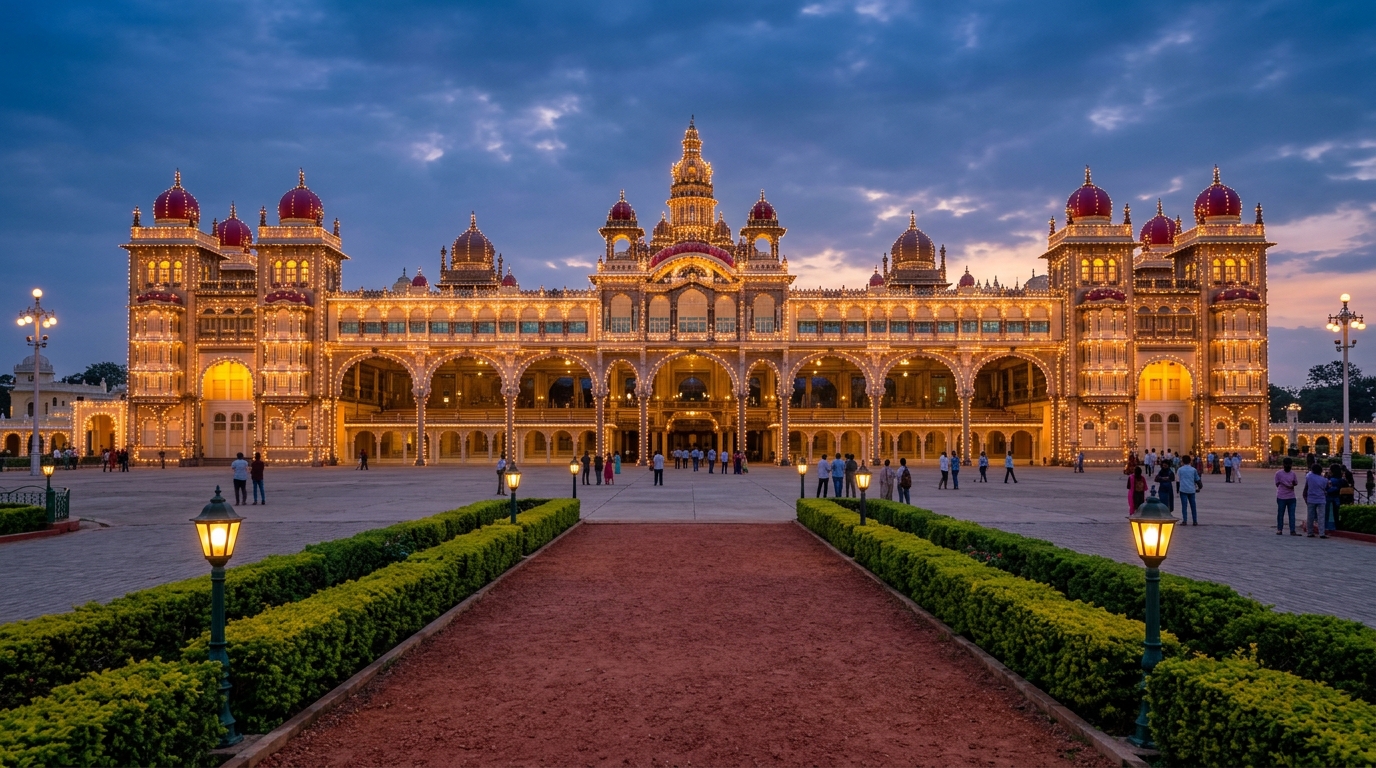
The Mysore Palace, also known as the Amba Vilas Palace, stands as a prime example of Indo-Saracenic architecture. It ranks prominently in any discussion of the top 10 royal palaces in india because of its vibrant colors and structural complexity. According to a detailed archival document retrieved from the Mysore Palace Board, the current structure was completed in 1912 after the previous wooden palace was destroyed by fire during a royal wedding. Earlier, we noted the completion year of 1912. That specific date is crucial because it aligns with a period of rapid modernization under the Diwan’s administration.
The architectural features of this southern masterpiece include:
- Stylistic Fusion: A seamless blend of traditional Hindu carvings, Islamic arches, and Neo-Gothic towers.
- Spectacular Illumination: Nearly one hundred thousand light bulbs illuminate the structure during the festive Dasara season.
- Material Grandeur: Three stories of fine grey granite complemented by deep pink marble domes.
Exploring this southern gem is a highlight of many itineraries, and travelers can find comprehensive arrangements through Mysore travel itineraries to experience this magnificent light display.
4. Laxmi Vilas Palace, Vadodara
Built by Maharaja Sayajirao Gaekwad III in 1890, the Laxmi Vilas Palace in Vadodara is an extraordinary testament to late-nineteenth-century luxury. This massive structure is recognized among the top 10 royal palaces in india for its sheer scale, reportedly measuring roughly four times the size of Buckingham Palace (depending on how the private outer grounds are measured). The architect, Major Charles Mant, synthesized European style with local elements, incorporating multi-colored marble, mosaic tilework, and a large collection of European classical sculptures.
The estate is a key highlight among the top 10 royal palaces in india for its art collection and expansive parkland, which includes a private golf course. The Darbar Hall features an ornate Venetian mosaic floor and stained-glass windows depicting Indian mythological scenes. The palace grounds also feature the Moti Bagh Palace and a banquet hall renowned for its ornate plasterwork. It remains an active residence for the royal family while allowing public tours of its grandest rooms, making it a critical stop for students of historic South Asian architecture.
5. Chowmahalla Palace, Hyderabad
The Chowmahalla Palace was once the seat of the Asaf Jahi dynasty, where the Nizams of Hyderabad entertained their official guests. This palace presents a unique deccan aesthetic that distinguishes it within the top 10 royal palaces in india, showcasing strong Persian, Indo-Islamic, and European neoclassical influences. The name translates to “Four Palaces,” referencing the four distinct grand structures that compose the southern courtyard.
The restoration work here sets a high standard for the top 10 royal palaces in india, earning prestigious international preservation awards. The Khilwat Mubarak, the magnificent durbar hall, features nineteen massive Belgian crystal chandeliers that illuminate the yellow marble platform where the Nizam’s throne sits. Visitors can observe extensive collections of royal weapons, vintage automobiles, and historic administrative documents. This offers a rare glimpse into the administrative wealth of Hyderabad’s former rulers. The palace grounds also showcase a beautiful clock tower that has been ticking consistently for over a century, serving as a temporal anchor for the entire courtyard.
6. Taj Lake Palace, Udaipur
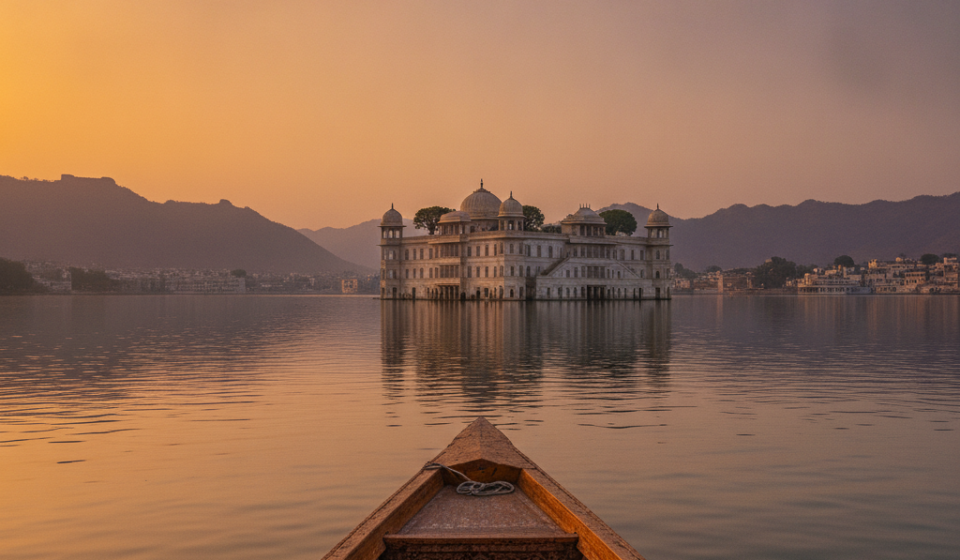
Floating like a white marble vessel on the waters of Lake Pichola, the Taj Lake Palace (originally named Jag Niwas) is an iconic architectural marvel. It earns its reputation among the top 10 royal palaces in india as an island of luxury, built between 1743 and 1746 (based on official records from the Mewar Royal Family). Originally constructed as a summer pleasure palace, the design utilizes white Mewar marble that changes hue depending on the angle of the sun.
This floating marble wonder is a staple of the top 10 royal palaces in india guides, celebrated for its inner courtyards filled with gardens, fountains, and small pools. The transition of this historic monument into a world-class luxury resort has preserved its architectural integrity while offering modern travelers an immersive heritage experience. The interior features carved arches, antique wooden furniture, and painted panels that recreate the romantic atmosphere of the Mewar court. This island sanctuary offers a stark contrast to the busy city streets of Udaipur, emphasizing the luxury of isolation that royal patrons highly valued.
7. Jai Vilas Palace, Gwalior
The Jai Vilas Palace in Gwalior is an exceptional example of European neoclassical architecture in Central India. It secures its position inside the top 10 royal palaces in india with its grand durbar hall, which houses two of the largest chandeliers in the world, each weighing several tons. Built in 1874 by Maharaja Jayajirao Scindia, the building was designed by Sir Michael Filose, who drew heavy inspiration from Italian palatial design, specifically combining Tuscan, Italianate, and Corinthian architectural orders.
The heavy European influence here highlights the stylistic range of the top 10 royal palaces in india. A major highlight of the palace museum is the silver model train that ran along the dining table, carrying cigars and brandy to royal guests during state banquets. This extensive property spans a massive footprint, and its grand courtyard remains a striking masterpiece of classical design. The preservation of these eccentric historical elements makes the palace an essential visit for those seeking to understand the highly customized lifestyles of late-nineteenth-century Indian royalty.
8. Rambagh Palace, Jaipur
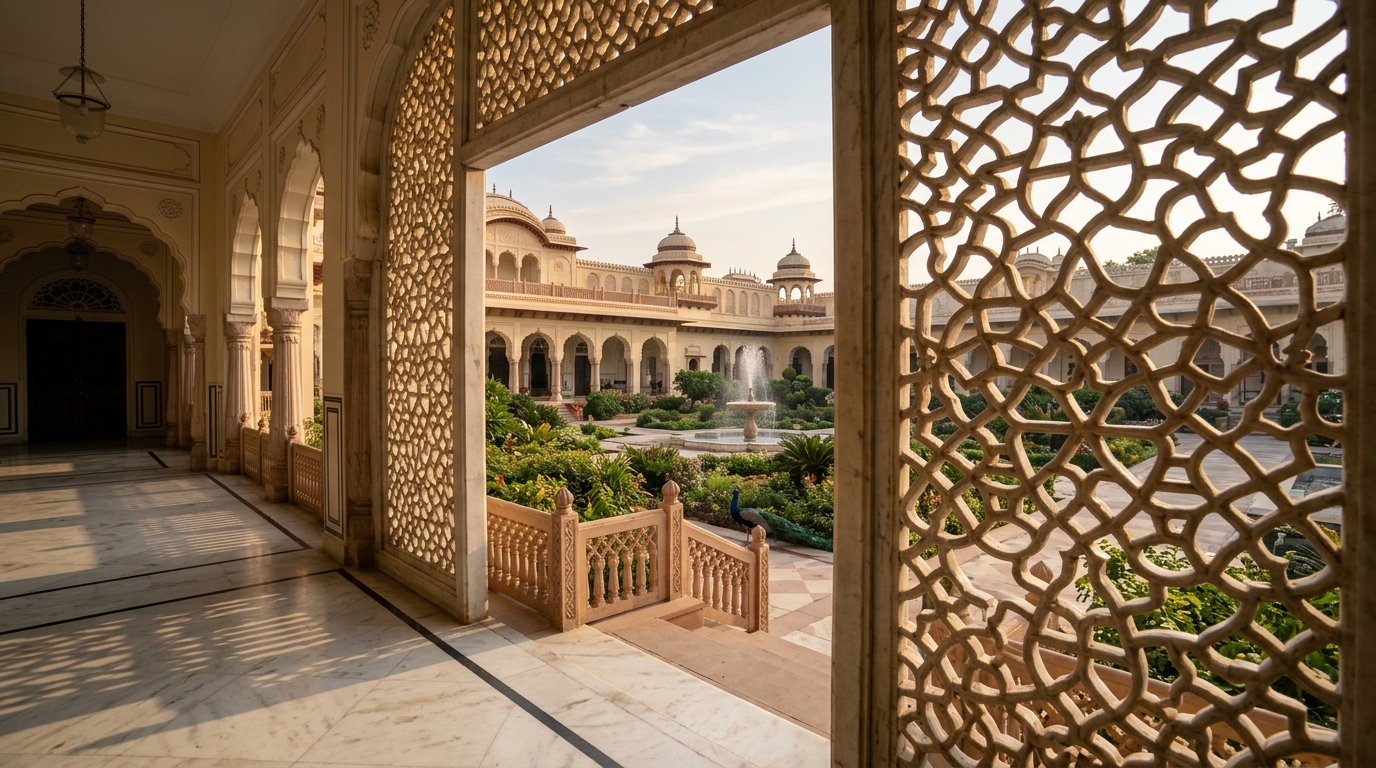
Often described as the “Jewel of Jaipur,” the Rambagh Palace is a masterpiece of Rajput architecture that transitioned from a modest garden house built in 1835 into a sprawling royal estate. It stands out within the top 10 royal palaces in india as a premier heritage retreat, having served as the primary residence of Maharaja Sawai Man Singh II and his queen, Maharani Gayatri Devi (a celebrated public figure of her time). The structure is characterized by hand-carved marble latticework, sandstone balustrades, and expansive Mughal gardens.
Experiencing the hospitality of the top 10 royal palaces in india is incomplete without understanding how these spaces have adapted to modern times. Rambagh Palace was the first royal residence in India to be converted into a luxury hotel, setting a precedent for the preservation of historical properties through hospitality. Travelers seeking to integrate a stay or a guided tour of this legendary property into their holiday can utilize curated Jaipur travel packages for a well-structured experience.
9. Cooch Behar Palace, West Bengal
Located in the northern plains of West Bengal, the Cooch Behar Palace (also known as the Victor Jubilee Palace) is modeled after the Buckingham Palace in London. This landmark remains one of the lesser-known gems in the top 10 royal palaces in india catalog, offering a distinct contrast to the sandstone and marble structures of Western India. Built under the reign of Maharaja Nripendra Narayan in 1887, the palace is constructed of brick and plaster, showcasing classical European Renaissance architecture.
It remains a critical entry among the top 10 royal palaces in india for Eastern architecture, proving that royal luxury was not confined to Rajasthan or the Deccan. The palace features a massive double-storied durbar hall crowned by a metal dome, reflecting Italian Renaissance patterns. The building is surrounded by meticulously landscaped gardens, providing a peaceful retreat that highlights the cosmopolitan tastes of the Cooch Behar royal family. The palace museum displays a wide variety of historic photographs, illustrating the lifestyle of the Koch dynasty during the colonial administration.
10. Kowdiar Palace, Kerala
Representing the royal heritage of the Travancore dynasty, the Kowdiar Palace in Thiruvananthapuram is a stunning example of traditional Kerala architecture combined with modern structural engineering. Built in 1934 by Maharajah Chithira Thirunal Balarama Varma, the palace is renowned for its elegant wooden carvings, steep tiled roofs, and sprawling green grounds.
The architectural legacy visible here anchors the southern representation of the top 10 royal palaces in india, showing a clear departure from the heavy stone structures of the north. It represents southern heritage perfectly, completing our list of the top 10 royal palaces in india with its minimalist elegance and functional design. Although the palace remains the private residence of the Travancore royal family and has restricted public entry, its external architecture and historical significance make it a prominent landmark for anyone exploring the rich heritage tourism in India.
Comparative Guide to India’s Majestic Palaces
To assist heritage enthusiasts in planning their visits, analyzing these palaces side-by-side provides valuable context regarding their scale, location, and accessibility. A detailed structural look at these top 10 royal palaces in india helps travelers understand the geographic and stylistic diversity across different regions of the country. Some historians suggest that the adoption of Western architectural styles was a form of cultural capitulation. They are not entirely wrong – but they underestimate how Indian rulers actively customized these designs to express their own sovereign agency.
The following table summarizes key attributes of five representative palaces, illustrating the architectural diversity and historical periods covered by these royal structures.
| Palace Name | Location | Primary Architectural Style | Constructed / Completed Year |
|---|---|---|---|
| Umaid Bhawan Palace | Jodhpur, Rajasthan | Beaux-Arts and Art Deco | 1943 |
| City Palace | Udaipur, Rajasthan | Mewar and Mughal Blend | 1559 |
| Mysore Palace | Mysore, Karnataka | Indo-Saracenic | 1912 |
| Laxmi Vilas Palace | Vadodara, Gujarat | Indo-Saracenic and Gothic | 1890 |
| Jai Vilas Palace | Gwalior, Madhya Pradesh | Italianate and Corinthian | 1874 |
The following comparison provides additional logistical insights for key locations among the top 10 royal palaces in india to aid in building an efficient travel plan:
| Palace Name | Best Time to Visit | Approximate Entry Fee (INR) | Key Highlight |
|---|---|---|---|
| Umaid Bhawan Palace | October to March | ₹100 (Indians), ₹400 (Foreigners) | Classic car collection & Art Deco museum |
| City Palace, Udaipur | September to April | ₹250 (Adults), ₹100 (Children) | Crystal Gallery & Lake Pichola views |
| Mysore Palace | October (Dasara Festival) | ₹100 (Adults), Free for kids under 10 | Weekly illumination of 100,000 bulbs |
| Laxmi Vilas Palace | November to February | ₹225 (Includes audio guide) | Darbar Hall’s Venetian mosaic floor |
| Chowmahalla Palace | Year-round | ₹80 (Indians), ₹200 (Foreigners) | Belgian crystal chandeliers & vintage cars |
Each of these monuments offers a distinct historical narrative. While some focus on defensive architecture, others highlight diplomatic luxury. Choosing which ones to visit depends on whether your interest lies in the sandstone carvings of the desert or the grand neoclassical ballrooms of central India.
Practical Travel Guidelines for Heritage Tourism
Visiting these top 10 royal palaces in india demands planning to ensure an enriching educational experience. Many of these sites are vast complexes that require several hours to explore thoroughly, and local rules regarding photography and attire must be respected. Many of these buildings are under the custody of the ASI (the Archaeological Survey of India). It is the premier organization responsible for archaeological research and protection of cultural heritage.
Here are several essential guidelines to keep in mind:
- Hire Certified Local Guides: Official guides licensed by the Ministry of Tourism provide accurate historical context that signage often lacks.
- Plan for Early Morning Visits: Arriving when the gates open helps avoid crowds and ensures better lighting for photography.
- Check Photography Regulations: Some palaces charge additional fees for professional cameras, while others prohibit indoor photography entirely.
- Dress Respectfully: Since some palaces contain active royal shrines or family residences, conservative attire is highly recommended.
Additionally, purchasing tickets online in advance is a practical way to bypass long queues at ticket counters, especially during peak travel seasons from October to March.
Conclusion
Exploring the top 10 royal palaces in india offers an educational journey through the complex history of the subcontinent. These structures are not mere relics of the past. They are active cultural centers that continue to influence modern architecture, design, and hospitality. Whether observing the golden sandstone of Jodhpur or the white marble of Udaipur, travelers gain a profound appreciation for the artistic and political forces that shaped regional identities. Planning a heritage tour allows one to engage directly with this living history, ensuring that the legacy of India’s royal builders remains understood and appreciated for generations to come.