

Planning a journey across the southern peninsula of India requires a careful balance of heritage, nature, and geography. While many travelers associate Indian tourism primarily with the northern golden triangle, the southern states offer a completely different rhythm of life. Implementing a structured south india travel plan is the most efficient way to capture this diverse region. The states of Karnataka, Tamil Nadu, and Kerala present a rich mix of towering Dravidian temples, tranquil misty hill stations, and palm-fringed tropical backwaters. This vast geographical expanse cannot be rushed. It demands methodical planning to avoid long transit times and ensure deep immersion. Whether exploring ancient stone carvings or enjoying a slow boat cruise, having a clear roadmap ensures no major highlight is missed. A professional approach to travel logistics ensures that the journey remains both comfortable and intellectually rewarding.
- Optimal Duration: A 10 to 14-day itinerary is ideal for covering major highlights across Karnataka, Tamil Nadu, and Kerala without feeling rushed.
- Best Time to Visit: Plan your trip between October and March to enjoy pleasant winter weather and minimal tropical humidity.
- Diverse Geographic Zones: Transition smoothly from the heritage palaces of Karnataka to the cool tea highlands of Tamil Nadu, ending in the tropical backwaters of Kerala.
- Transit Strategies: Use a combination of efficient overnight trains and pre-booked private air-conditioned vehicles for comfortable state-to-state travel.
Choosing the Perfect South India Route
Selecting the right path through the southern states is the most critical decision when developing a cohesive south india travel plan. The sheer size of the peninsula means that trying to cover every state in a single short trip often leads to fatigue. Travelers must decide whether to focus on the archaeological wonders of Karnataka, the sacred temple towns of Tamil Nadu, or the coastal relaxation of Kerala. For a comprehensive south india travel plan, combining elements from each state provides the most balanced experience.
For those planning their journey, functioning as an FIT (Free Independent Traveler – a term used for travelers who design their own custom schedules) provides the freedom to customize the pace of the trip rather than sticking to a rigid schedule. The regional geography naturally divides into the Western Ghats mountain range and flat coastal plains. Transit times between these zones can be significant, so focusing on a linear path is highly recommended. To streamline the logistics, a reliable south india travel plan should begin in a major transport hub like Bengaluru and conclude in Kochi. This path minimizes backtracking and utilizes the regional highway network.
Critics say covering three states in ten days is too ambitious. They are not entirely wrong – but with efficient road and rail connections, a tightly planned route makes it highly achievable. The key to designing an effective south india travel plan is understanding regional geography. A successful south india travel plan should prioritize slow travel over rapid transit, allowing at least two to three days in each distinct geographic zone. These states contain some of the most spectacular places to visit in South India, making route optimization crucial.
| State | Primary Attractions | Best Mode of Transit | Ideal Stay Duration |
|---|---|---|---|
| Karnataka | Heritage palaces, historic ruins, and coffee plantations (Mysore, Srirangapatna, Coorg) | Train or private car from Bengaluru | 3 – 5 Days |
| Tamil Nadu | Dravidian temples, heritage steam railways, and misty hill stations (Ooty, Nilgiris) | Toy train and private mountain transfers | 4 – 6 Days |
| Kerala | Backwater houseboats, historic ports, and tropical beaches (Kochi, Alappuzha) | Private taxi or local ferry transfers | 3 – 5 Days |
The Ultimate 10-Day South India Itinerary
To experience the true diversity of the region, this curated 10-day South India itinerary is structured to deliver a seamless transition from historic cities to cool highlands, ending in the coastal lowlands. This route minimizes daily travel times within manageable limits.
Days 1-3: Cultural Heritage in Karnataka
The journey begins in Bengaluru, the capital of Karnataka and a modern metropolis that serves as the primary gateway to the south. After arrival, the focus immediately shifts to the historic city of Mysuru, located roughly 140 kilometers to the southwest (depending on the exact route taken). By integrating Mysore into your south india travel plan, you get to witness the architectural transition from modern glass towers to heritage royal structures. Mysuru Palace stands as a masterpiece of Indo-Saracenic architecture, featuring exquisite stained glass, carved mahogany ceilings, and an impressive collection of royal artifacts. These historic cities are essential places to visit in South India.
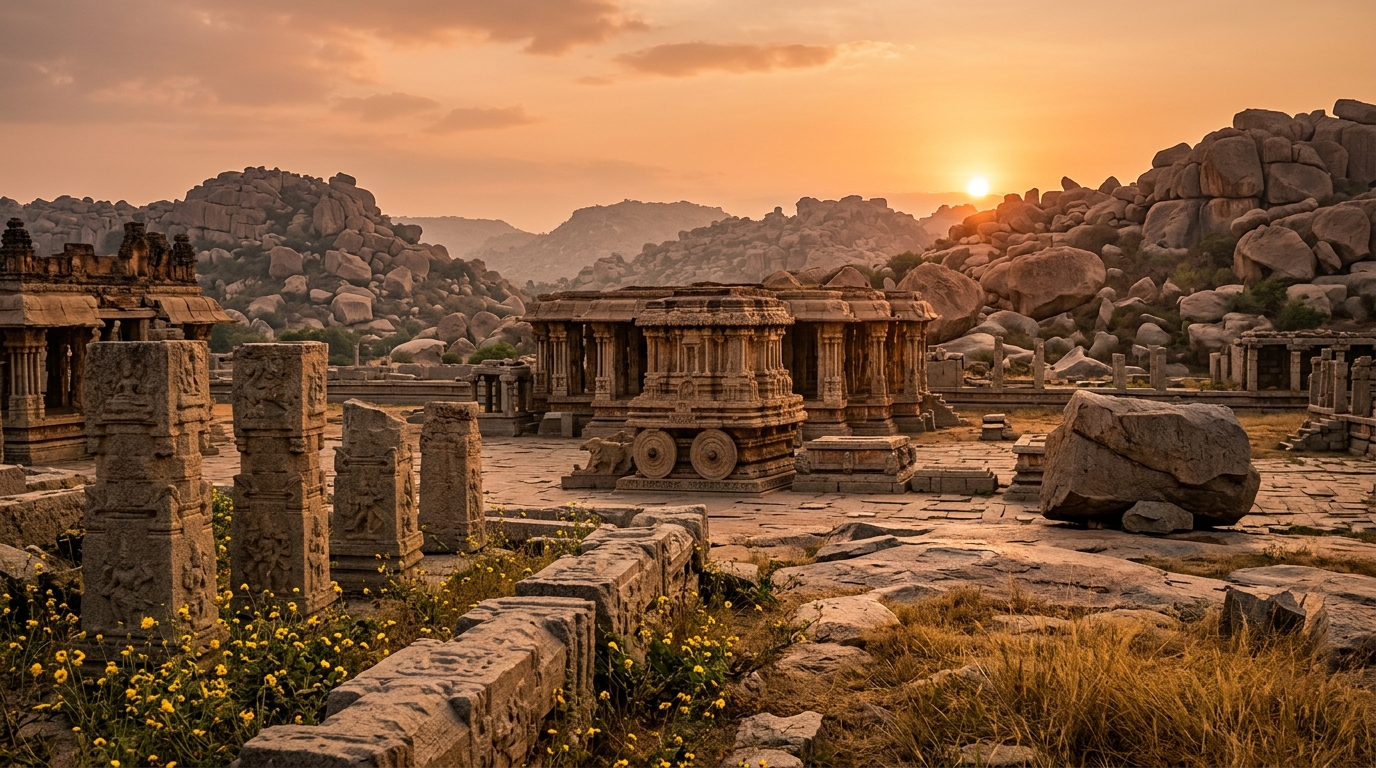
A short drive from Mysuru leads to Srirangapatna, an island town containing the ruins of Tipu Sultan’s capital. This region serves as an essential cultural foundation, making this a highlight of any south india travel plan. Those seeking a deeper exploration of Karnataka can browse customized options like the Bangalore and Mysore tour packages offered by TravelDham. Moving further north would reveal the ruins of Hampi, but for a 10-day timeframe, keeping the focus on southern Karnataka keeps transit times efficient. Additionally, the nearby Chamundi Hills provide a panoramic sunset viewpoint, dominated by the ancient Chamundeshwari Temple.
Days 4-6: Majestic Hill Stations of Tamil Nadu
When mapping out a south india travel plan, the ascent into the Western Ghats toward the mountain districts of Tamil Nadu represents a dramatic change of scenery. The transition from the warm lowlands of Karnataka to the cool, mist-covered peaks of Ooty is an essential phase of the journey. Situated at an altitude of over 2,200 meters, Ooty was established as a summer retreat during the colonial era. The Nilgiri Mountain Railway (a UNESCO World Heritage site utilizing a steam-operated rack system) offers slow-paced, scenic transit through deep ravines and dense pine forests.
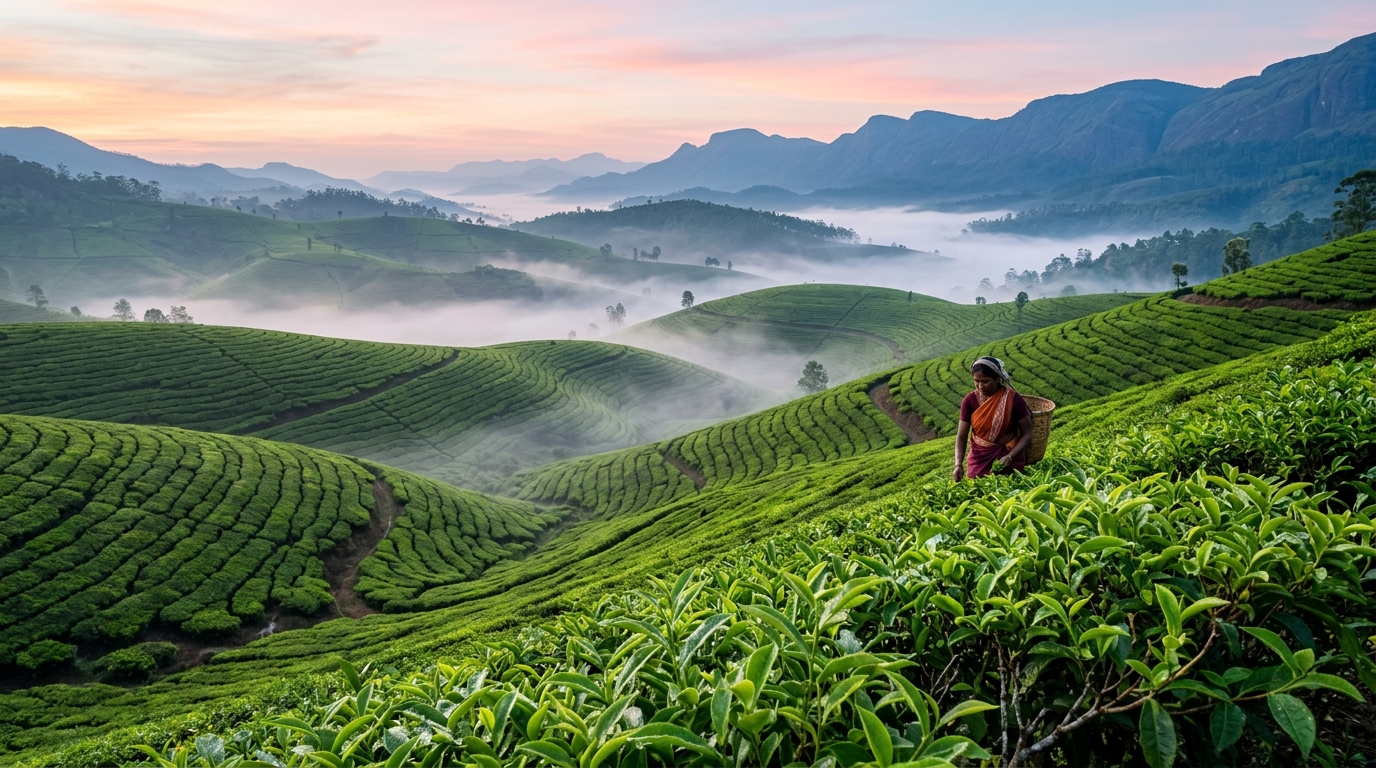
The rolling hills around Ooty and nearby Coonoor are dominated by vast tea plantations. For travelers looking to expand this mountain leg, Coorg represents another premier highland destination. Incorporating these cooler destinations into your south india travel plan provides a refreshing break from the tropical heat of the plains. Investigating the scenic highlands of Coorg is made easier through structured Coorg tour packages, which highlight the unique coffee culture of Karnataka. However, for this specific route, Tamil Nadu’s Nilgiri hills provide the direct geographic bridge down into the state of Kerala. Exploring the nearby Pykara Waterfalls offers a deep look into the rich biodiversity of the Nilgiri Biosphere Reserve.
Days 7-10: Serene Backwaters and Beaches of Kerala
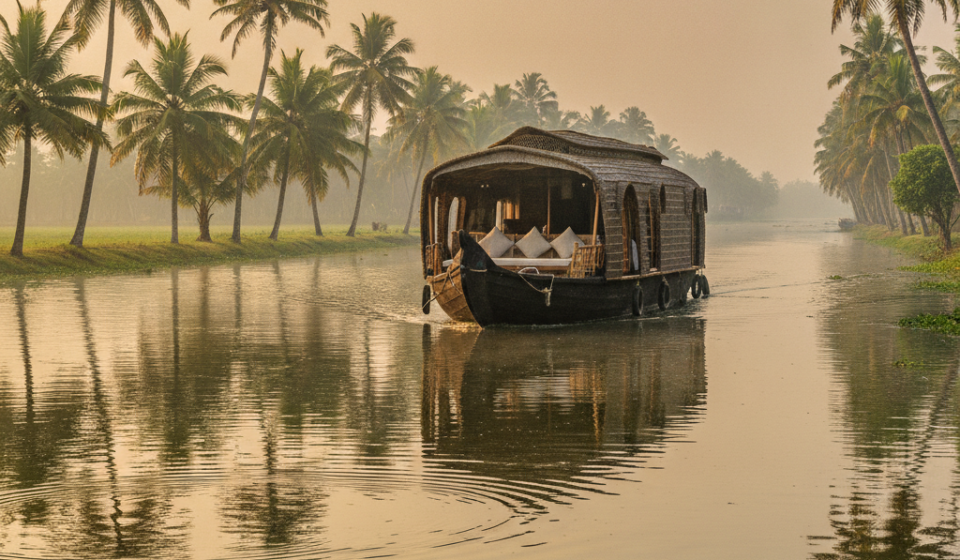
The final stretch of the south india travel plan descends into the lush, tropical state of Kerala, known historically for its spice trade. The primary destination here is Alappuzha, the heart of the famous backwater network. Boarding a traditional kettuvallam (a converted wooden houseboat built without a single nail) provides an unparalleled view of rural canal life. These vessels float gently past coconut groves, paddy fields, and small lakeside villages, offering freshly prepared local cuisine on board. This slow-paced exploration makes Alleppey an indispensable stop in your south india travel plan.
Following the backwater experience, the journey moves to Fort Kochi, a historic port town reflecting centuries of foreign influence. The shoreline is famously dotted with Chinese fishing nets, massive cantilevered structures operated by local fishermen. Walking through Fort Kochi reveals a unique blend of Portuguese, Dutch, and Jewish architecture. This coastal finale provides a relaxing end to an intensive travel schedule, forming the final chapter of this south india travel plan. To plan a seamless beach and backwater extension, travelers often look at Kerala tour packages to secure the finest houseboat and resort bookings.
Seasonal Weather and Best Time to Visit
Climate is a highly crucial factor when drafting a south india travel plan, as tropical weather patterns vary significantly between the coastlines and the inland plateaus. The region experiences a distinct monsoon system that dictates the feasibility of outdoor exploration and transit safety.
The best time to visit South India is generally during the winter months, spanning from October to March. During this period, temperatures remain comfortable, ranging between 22 and 30 degrees Celsius, with low humidity. This makes it ideal for walking through heritage temple complexes and navigating bustling markets. By contrast, the summer months of April and May bring intense heat, with temperatures often exceeding 38 degrees Celsius in the plains, though the hill stations remain pleasantly cool. Determining the best time to visit South India involves looking at both temperature averages and how they fit your proposed South India itinerary.
The southwest monsoon arrives in June and continues through September, bringing heavy rainfall, particularly to the coastal areas of Kerala and the Western Ghats. While the landscape becomes exceptionally green and beautiful, heavy rains can occasionally disrupt road travel and outdoor sightseeing. Therefore, aligning your south india travel plan with the optimal season is essential to guarantee a comfortable and safe journey.
| Season | Months | Average Temperature | Key Highlights & Suitability |
|---|---|---|---|
| Winter (Peak Season) | October – March | 20°C – 30°C | Ideal for temple tours, backwater cruises, and beach activities across all southern states. Highly comfortable weather. |
| Summer (Off-Peak) | April – May | 28°C – 40°C | Excellent for visiting hill stations like Ooty, Coorg, and Munnar. Coastlines and plains can be extremely hot and humid. |
| Monsoon (Green Season) | June – September | 24°C – 32°C | Perfect for Ayurvedic treatments in Kerala and witnessing dramatic waterfalls. Heavy rains may affect transit times. |
Choosing when to visit also depends on the local festivals. The region hosts spectacular cultural celebrations such as Onam in Kerala (usually in August or September) and Pongal in Tamil Nadu (in January). Planning a trip around these events provides an authentic look at regional traditions, though it requires booking accommodations and transport months in advance due to high local demand.
Essential Travel Tips and Logistics
Executing a seamless trip across multiple southern states requires careful attention to regional logistics and local customs. Because each state possesses its own distinct language and administrative guidelines, preparedness is key.
Transportation Across Southern States
A major logistical hurdle in any south india travel plan is state-to-state transit. Managing the logistics of a south india travel plan involves choosing the right combination of rail, road, and air travel. According to a 2024 report by the Ministry of Tourism, Karnataka and Kerala together accounted for over 40% of all luxury rail and heritage bookings in the country. The Indian Railways network is highly efficient and offers an authentic, scenic way to travel between major cities. For overnight journeys, booking First Class AC (1AC) or Second Class AC (2AC) tickets well in advance is highly recommended to secure comfortable berths.
For shorter distances and travel between hill stations, hiring a private air-conditioned vehicle with a professional driver is the most reliable option. This offers the flexibility to stop at scenic viewpoints and heritage sites along the way. When booking a South India tour package, ensuring that all state entry taxes, toll fees, and driver allowances are included in the upfront cost prevents unexpected expenses at state borders. This makes it essential to refine your south india travel plan with reliable private transfers.
Local Etiquette and Cultural Respect
Respecting these guidelines is a key element of an enriching south india travel plan. South Indian temples are highly sacred spaces with strict codes of conduct:
- Footwear: Visitors must remove their shoes before entering temple premises.
- Dress Code: Dress modestly, ensuring that shoulders and knees are fully covered. Some traditional temples may require men to wear a dhoti and women to wear a saree or salwar kameez.
- Photography: Photography is typically prohibited inside the inner sanctum of temples, though it is often permitted in the outer courtyards.
- Local Interactions & Etiquette: Always ask for permission before taking photographs of local residents, especially priests or worshippers. Additionally, use your right hand for eating, giving, or receiving items, as the left hand is traditionally associated with personal hygiene.
Top Dining and Culinary Experiences
No south india travel plan is complete without a deep dive into the region’s diverse culinary traditions. Unlike the heavier, cream-based dishes of northern India, southern cuisine relies heavily on rice, lentils, coconut, and a sophisticated blend of native spices. Integrating food stops into your south india travel plan allows you to experience these distinct regional flavors first-hand.
The culinary focus of your south india travel plan should begin with the traditional South Indian thali, served on a fresh banana leaf. This meal represents a balanced assortment of:
- Sambar & Rasam: Lentil-based vegetable stews and tangy, spiced tamarind broths that serve as daily staples.
- State Specialties: Unique regional variations, such as Karnataka’s savory Bisi Bele Bath (hot lentil rice) or Kerala’s aromatic, coconut-infused seafood curries.
- Accompaniments: Warm steamed rice, assorted seasonal vegetable preparations, crispy papadums, and fresh, cooling curd to balance the spices.
Coffee culture is also highly prominent in the south. The traditional South Indian filter coffee, brewed in a brass metal filter and served with frothy milk in a metal tumbler and davarah, is a daily ritual. Trying this beverage in a local cafe is as much a cultural experience as it is a culinary one.
FAQs
This section addresses the most common practical questions regarding travel through the southern states of India.
How many days are sufficient for a South India trip?
How many days are sufficient for a south india travel plan? The ideal timeline for a comprehensive south india travel plan is between 10 and 14 days. This timeframe allows travelers to explore at least two states comfortably without rushing through destinations. A shorter trip of 5 to 7 days is possible but requires focusing strictly on a single sub-region, such as the backwaters of Kerala or the heritage sites of Mysore and Coorg. For those wishing to cover Karnataka, Tamil Nadu, and Kerala in detail, a three-week itinerary is highly recommended to accommodate the transit times between states.
What is the estimated budget for this travel plan?
What is the estimated budget for a south india travel plan? The budget varies depending on the preferred level of comfort. Mid-range travelers can expect to spend approximately 4,000 to 7,000 INR per day, which covers comfortable three-star boutique accommodation, private vehicle transport, meals, and monument entry fees. Luxury itineraries utilizing five-star heritage hotels and premium private houseboats will average 15,000 INR or more per day. When establishing a budget for your south india travel plan, consider booking accommodation and houseboat cruises well in advance to secure the best seasonal rates.
Is South India safe for solo female travelers?
Is solo travel safe within a south india travel plan? Yes, South India is generally considered highly safe for solo female travelers. The southern states have lower crime rates and a welcoming, respectful attitude toward foreign visitors. But still, standard travel precautions should be observed, such as avoiding isolated areas after dark, utilizing pre-booked licensed transport, and dressing in accordance with local cultural norms. Connecting with established travel agencies for transport and accommodation bookings provides an additional layer of security and peace of mind throughout the journey.
What should I pack for a South India tour?
What should be included in the packing list for a south india travel plan? A light, breathable cotton clothing selection is essential to handle the warm, tropical climate. Modest attire is necessary for temple visits. Additionally, comfortable walking shoes are required for exploring archaeological ruins, while a light jacket or sweater is useful for the cooler evenings in hill stations like Ooty. High-quality sunscreen, insect repellent, and a reusable water bottle should be at the top of your checklist for a comfortable south india travel plan.