

The southern peninsula of India presents an extraordinary synthesis of historic heritage, serene ecological landscapes, and highly distinct regional traditions. Designing a comprehensive south india travel plan requires an appreciation of the geographic and cultural diversity spanning five major states. From the structural marvels of ancient temples to the tranquil backwaters of the Malabar Coast, this region demands a methodical travel strategy. Travelers often struggle to balance the massive distances with the sheer density of notable destinations (leading to rushed schedules and missed highlights). By contrast, a well-structured travel architecture ensures that every destination is experienced deeply. A thoughtfully organized south india travel plan solves this structural challenge by focusing on regional clusters. Whether seeking spiritual immersion, culinary exploration, or quiet rejuvenation, a structured south india travel plan provides the framework necessary to appreciate this diverse region. Let us examine the essential destinations, seasonal timing, logistical requirements, and optimal routes that define a successful journey.
Key Takeaways for Your South India Journey
- Optimal Timing: The cool, dry winter months from October to March offer the best climate for a comprehensive south india travel plan.
- Balanced Route: A well-structured 10-day itinerary efficiently connects Karnataka’s heritage, Kerala’s nature, and Pondicherry’s coastal charm.
- Diverse Landscapes: Transition seamlessly from mist-covered Western Ghats tea estates to tranquil palm-fringed coastal backwaters.
- Cultural Richness: Discover thousands of years of preserved history through active Dravidian temples, grand royal palaces, and ancient ruins.
- Local Logistics: Utilize comfortable air-conditioned rail travel and always respect local temple dress codes for a smooth journey.
Why South India is a Must-Visit Travel Destination
Unlike the northern plains of the subcontinent, Southern India presents a distinct historical and cultural trajectory that remains highly visible in its daily life. The region escaped much of the systemic destruction seen in other parts of Asia, allowing its medieval heritage to remain completely intact. Giant Dravidian stone temples function not merely as historical monuments but as active centers of community life. But still, the fast pace of modern developments in southern cities presents an interesting contrast to these slow-paced heritage rituals. This cultural persistence is a foundational asset for any south india travel plan, offering a glimpse into rituals that have been preserved over millennia.
Beyond history, the geographic profile of the region is exceptionally varied. The Western Ghats (a UNESCO World Heritage site older than the Himalayas) run parallel to the western coast, creating microclimates that support rich wildlife populations, massive tea estates, and misty hill stations. This mountain system slopes down into the plains, forming the intricate backwaters. A thoughtfully structured south india travel plan allows travelers to transition from these high-altitude wilderness sanctuaries to quiet coastal towns within a single day of travel. Consequently, ecological diversity remains a defining feature of any customized south india travel plan.
Furthermore, the culinary environment of the south is highly localized. Southern Indian gastronomy is built on rice, lentils, coconut, and a highly sophisticated use of native spices. Each sub-region (from the fiery preparations of Chettinad to the strictly vegetarian dishes of Udupi) offers a unique culinary profile. Recognizing these regional nuances is key to structuring your south india travel plan, as it transforms simple transit stops into culinary explorations.
Choosing the Right Time for Your South India Travel Plan
Climatic variations in the southern peninsula are governed primarily by the tropical monsoon systems. Consequently, identifying the optimal travel window is crucial when designing your south india travel plan. The winter season (extending from October through March) is generally considered the prime window for comprehensive exploration. During these months, humidity levels drop significantly, and temperatures remain moderate across both coastal plains and elevated inland plateaus.
Conversely, the summer months (from April to June) bring intense heat to the plains, with temperatures frequently exceeding 38 degrees Celsius. During this period, travel should be focused almost exclusively on the high-altitude hill stations of the Western Ghats. The monsoon seasons (running from July to September) bring heavy downpours that are ideal for specific activities, such as traditional Ayurvedic wellness programs, but can complicate road travel and outdoor sightseeing. A solid south india travel plan must account for these distinct seasonal patterns to avoid travel disruptions.
To assist in your strategic planning, the table below outlines the general weather patterns and recommended regions across different periods of the year:
| Season | Months | Average Temperature Range | Recommended Regions for Travel |
|---|---|---|---|
| Winter (Peak Season) | October to March | 20°C – 30°C | Coastal plains, heritage temple towns, backwaters, and national parks. |
| Summer (Off-Peak) | April to June | 28°C – 40°C | High-altitude hill stations like Munnar, Ooty, Coorg, and Wayanad. |
| Monsoon (Green Season) | July to September | 24°C – 32°C | Ayurvedic wellness centers in Kerala and scenic waterfall trails. |
To experience the cultural depth and geographic variety of the southern states without exhausting yourself in transit, a structured route is essential. This recommended 10-day south india travel plan focuses on a balanced loop that connects heritage sites, hill stations, and coastal waterways. It utilizes key transit hubs to minimize unnecessary travel time, providing a highly efficient blueprint for first-time visitors and seasoned travelers alike.
The Ultimate 10-Day South India Itinerary
Days 1 to 3: Culture and Heritage in Karnataka
Your regional exploration kicks off with a dynamic blend of modern urbanism, royal history, and lush highlands:
- Day 1 (Arrival in Bengaluru): Dedicate your first day to exploring the city’s green spaces and historic landmarks, such as the Bangalore Palace and the Lalbagh Botanical Garden. This urban experience provides an easy introduction to the regional climate and cuisine.
- Day 2 (Mysore’s Royal Heritage): Travel south to Mysore (a city renowned for its royal heritage and grand palaces). The drive takes roughly three hours, depending on traffic conditions on the regional expressway. Prioritize visiting the magnificent Mysore Palace, a spectacular example of Indo-Saracenic architecture that looks especially impressive when illuminated. A short trip to the nearby Chamundi Hill offers panoramic views of the city below. To experience these regional highlights seamlessly, you can book a specialized Bangalore and Mysore tour through our custom travel services.
- Day 3 (Highlands of Coorg): Continue westward toward the district of Coorg. This highland region is famous for coffee plantations, misty valleys, and unique local culture. Spend the afternoon touring a working coffee estate to learn about cultivation, which is an excellent start to your south india travel plan.
Days 4 to 6: Nature and Tea Estates in Kerala
From the cool high-altitude hills, you will descend into the tranquil waterways of Kerala:
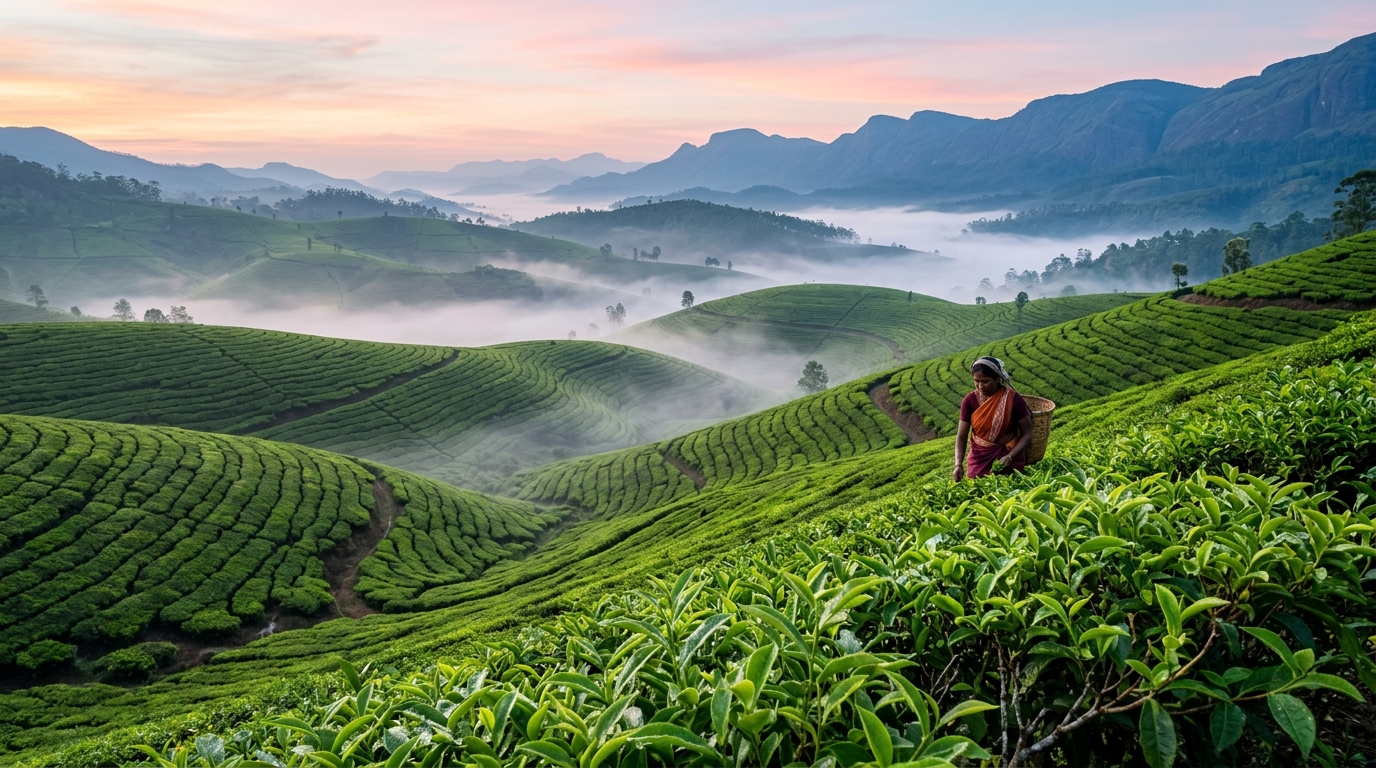
- Day 4 (Scenic Drive to Munnar): Transition from the coffee hills of Karnataka to the famous tea country of Kerala. The journey southward to Munnar takes you deep into the Western Ghats, offering spectacular views of deep valleys and cascading waterfalls along the route. Munnar sits at an elevation of roughly 1,600 meters above sea level, providing a cool sanctuary from the tropical heat of the plains.
- Day 5 (Tea Gardens & Wilderness in Munnar): Dedicate this day to exploring the tea gardens, visiting the local Tea Museum, and hiking in Eravikulam National Park to spot the endangered Nilgiri Tahr (a rare mountain goat native to these hills).
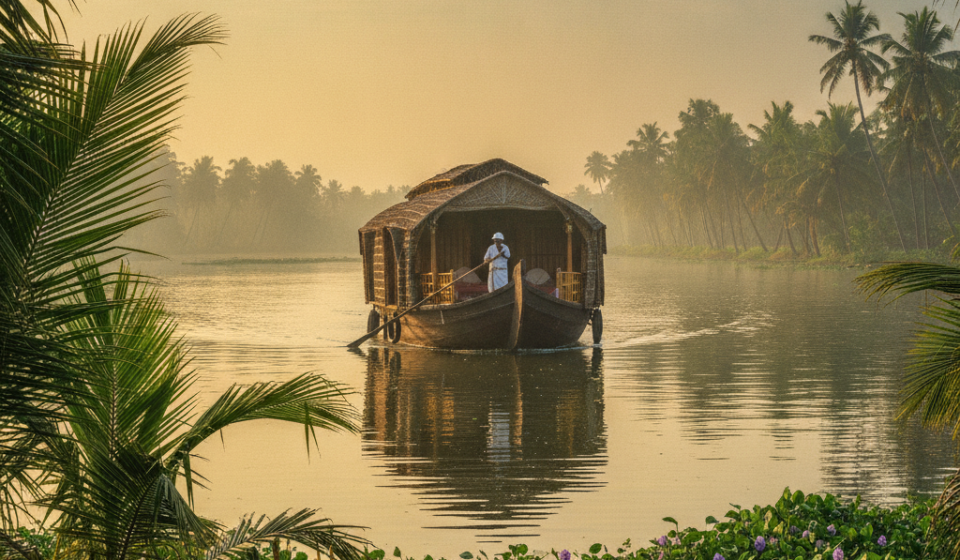
- Day 6 (Overnight Houseboat in Alleppey): Travel down to Alleppey, the heart of the Kerala backwaters. Here, the landscape changes dramatically from high-altitude tea plantations to a vast network of canals, rivers, and lagoons. Boarding a traditional fully staffed houseboat (known locally as a Kettuvallam) is arguably the core of any memorable south india travel plan. As the vessel glides slowly through the palm-fringed waterways, you can observe rural village life, enjoy traditional Karimeen preparations, and experience complete serenity. These houseboat experiences are highly customizable and should be integrated into a balanced south india travel plan. This slow-paced excursion offers an incredible contrast to the busy cities, and it remains a highlight of our curated Kerala travel packages.
Days 7 to 10: Coastal Relaxation and Colonial Charm
The final leg of your journey shifts to the charming coastal towns and historic colonial ports of the east and west coasts:
- Day 7 (Colonial Kochi): Leave the quiet backwaters behind and travel east toward the historic port city of Kochi. Spend the day exploring Fort Kochi, an area deeply influenced by Portuguese, Dutch, and British colonial history. Key sites include the historic St. Francis Church, the Mattancherry Palace, and the iconic Chinese fishing nets that line the coast.
- Day 8 (Trans-Peninsular Journey to Pondicherry): Proceed across the peninsula to the union territory of Pondicherry on the eastern coast. While the overland journey is long, the transition to the Bay of Bengal coast offers a completely different cultural experience.
- Day 9 (French Quarter & Auroville): Pondicherry is famous for its preserved French Quarter, characterized by cobblestone streets, mustard-colored colonial villas, and quiet cafes. Spend the day exploring the quiet streets on foot or by bicycle, visiting the Sri Aurobindo Ashram, and taking a short trip to the experimental township of Auroville. You can discover these unique coastal experiences through our specialized Pondicherry tour packages.
- Day 10 (Departure from Chennai): Travel north to Chennai for your departure flight, rounding off this south india travel plan with a deep appreciation of the subcontinent’s incredible regional diversity.
Top Must-Visit Places in South India
While the ten-day itinerary covers a highly efficient and popular loop, the southern peninsula contains far more destinations than can be experienced in a single trip. Depending on your personal interests, you may wish to swap specific locations or extend your journey. The following destinations represent essential anchors for your south india travel plan, each offering a distinct window into the region’s diverse cultural and geographic identity.
Kerala: Backwaters and Ayurvedic Escapes
Kerala is often referred to as a tropical paradise, defined by its high-density palm groves, agricultural wealth, and sophisticated wellness traditions. Beyond the backwaters of Alleppey and the hill stations of Munnar, the coastal strip offers pristine beaches and historic towns. The beaches of Kovalam and Varkala are world-renowned for their dramatic red cliffs and excellent surfing conditions. Furthermore, Kerala is the global capital of Ayurveda, a traditional system of medicine that has been practiced here for over three thousand years. Traditional centers offer detoxifying therapies and natural herbal treatments. Integrating a traditional wellness retreat into your itinerary is a brilliant way to enhance your south india travel plan, providing deep physical rejuvenation alongside cultural discovery. These natural sanctuaries form an essential component of an authentic south india travel plan, allowing travelers to experience a slower pace of life.
Tamil Nadu: Ancient Temples and Monumental Architecture
Tamil Nadu is the historic cradle of Dravidian civilization, characterized by its classical language, intricate temple architecture, and vibrant heritage. The state is home to some of the largest and most complex temple structures in the world, featuring towering gateway towers (known as gopurams) decorated with thousands of colorful stucco figures. The historic town of Madurai, centered around the massive Meenakshi Amman Temple, is an absolute highlight. Other essential sites include the Great Living Chola Temples in Thanjavur and the rock-cut monuments of Mamallapuram, which are easily accessed through our customized Tamil Nadu travel itineraries. The temples here remain vibrant community hubs where ancient classical rituals are practiced daily. From the coastal rock-cut structures of Mamallapuram to the massive corridors of Rameswaram, the architectural scale is truly breathtaking. These historic sites must be integrated into your south india travel plan if you are passionate about ancient history, classical architecture, and living heritage.
Karnataka: Palaces, Tech Hubs, and Hilly Retreats
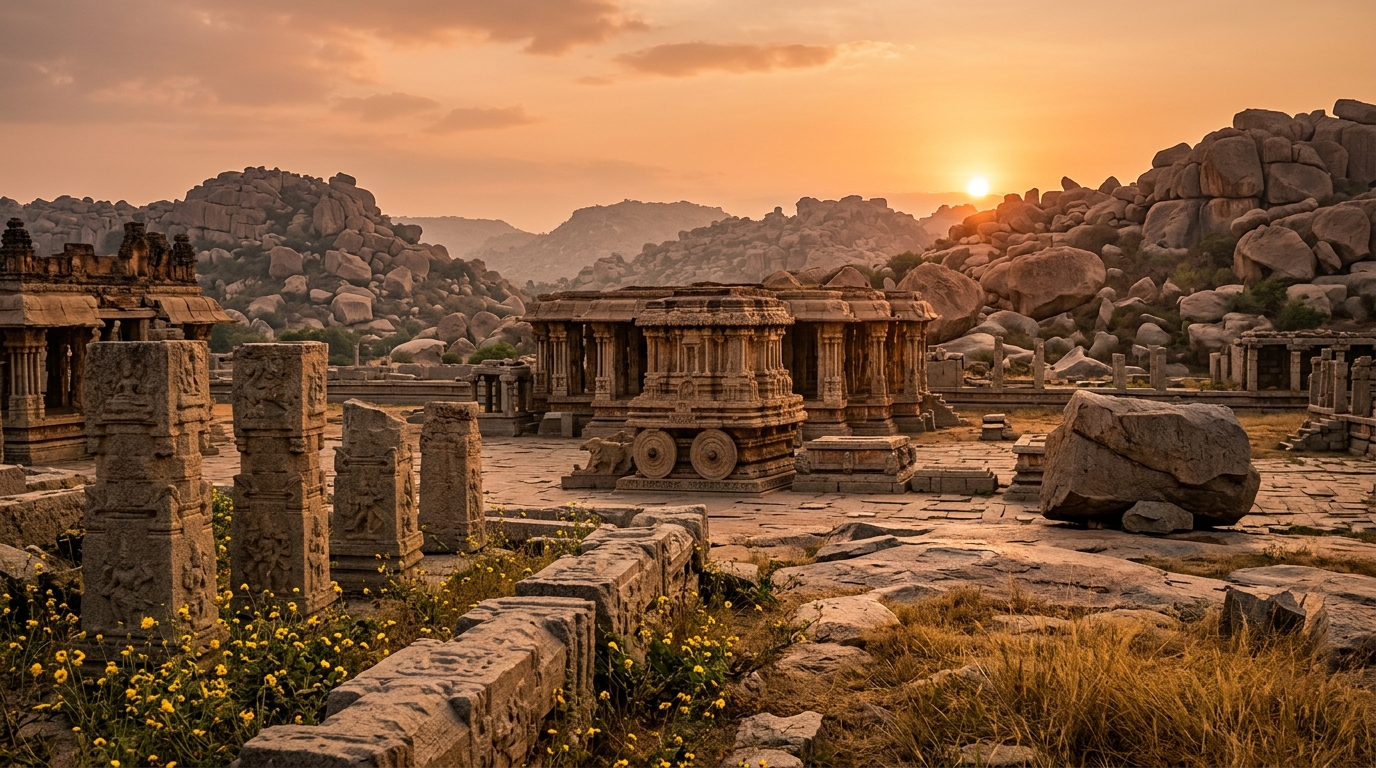
Karnataka offers an extraordinary transition from the ultra-modern tech parks of Bengaluru to some of the most spectacular historical ruins in Asia. In the northern part of the state lies Hampi, the ruined capital of the historic Vijayanagara Empire. Spanning over forty square kilometers, the boulder-strewn landscape of Hampi contains hundreds of ancient temples, royal pavilions, and historic market streets. In contrast, the southern part of the state features the dense forests of Kabini and Bandipur, which host some of the highest concentrations of wild Asiatic elephants and Bengal tigers in India. The state’s geographic diversity is complemented by its rich culinary traditions, which range from the coastal seafood of Mangalore to the spicy vegetarian dishes of the Deccan plateau. This incredible variety makes the state highly engaging for long-term travelers. For those seeking a blend of urban sophistication, deep wilderness exploration, and ancient history, Karnataka is a vital addition to a south india travel plan.
Essential Tips for Designing Your South India Travel Plan
Successfully executing a journey across Southern India requires careful attention to regional logistics, cultural norms, and local transit networks. To help you decide on the best transit methods for your route, review this comparative breakdown of travel options in South India:
| Mode of Transport | Ideal For | Pros | Cons / Booking Window |
|---|---|---|---|
| Chauffeur-Driven Private Car | Short-distance hops (e.g., Mysore to Coorg, Kochi to Alleppey) | Maximum flexibility, scenic stops, door-to-door comfort | Higher cost; traffic delays on busy regional expressways |
| Indian Railways (AC Classes) | Long-distance transit between major state hubs | Cost-effective, cultural experience, overnight sleeper options | Requires booking 60-120 days in advance; fixed schedules |
| Domestic Flights | Direct transit across far-flung regions (e.g., Bengaluru to Kochi) | Saves significant travel time over vast distances | Baggage weight limits; airport transfer times |
Here are the most critical practical tips to ensure the smooth execution of your south india travel plan:
- Prioritize Regional Rail Travel: The Indian Railways network is highly extensive and provides an efficient, scenic way to travel between major cities. For longer distances, booking air-conditioned sleeper classes (such as 2AC or 3AC) well in advance is highly recommended when executing a south india travel plan.
- Respect Temple Dress Codes: When visiting historic temples in Tamil Nadu and Karnataka, modest dress is strictly enforced. Travelers should ensure their shoulders and knees are covered, and shoes must always be removed before entering temple complexes. This cultural respect is crucial for your south india travel plan.
- Understand Local Culinary Spices: Southern Indian food is famous for its complex spice profiles. If you have a low tolerance for spicy food, always request “mild” preparations when ordering local dishes, particularly in Andhra Pradesh and Chettinad.
- Stay Hydrated and Sun-Protected: The tropical climate can be exhausting, even during the cooler winter months. Always carry bottled water, wear high-quality sunscreen, and wear lightweight, breathable cotton clothing to remain comfortable throughout your travels.
State-by-State Comparison for Travelers
To further assist in tailoring your south india travel plan, it is helpful to contrast the distinct experiences offered by each southern state. Each region possesses its own architectural styles, natural landscapes, and cultural focus.
- Kerala: Best for backwaters, scenic hill stations, and Ayurvedic wellness therapies.
- Tamil Nadu: Best for massive living Dravidian temples and ancient cultural heritage.
- Karnataka: Best for historic imperial ruins, modern cities, and diverse wildlife sanctuaries.
This structural breakdown ensures you select the correct focus for your personalized south india travel plan.
Conclusion
Building an effective south india travel plan is a matter of balancing geographical distances with deep cultural immersion. Rather than rushing through multiple states in a single journey, focusing on a dedicated route ensures a highly rewarding travel experience. By organizing your itinerary around specific seasonal conditions and regional highlights, you can fully appreciate the distinct character of the southern peninsula. Whether traveling independently or selecting one of our specialized travel packages, your completed south india travel plan will serve as the gateway to an unforgettable exploration of Southern India.