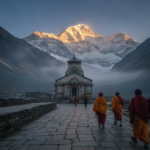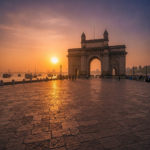

Planning a journey across the southern peninsula of India requires more than just picking a few destinations on a map. The region is a vast tapestry of distinct cultures, geographic wonders, and historic architecture that cannot be rushed. Crafting a comprehensive south india travel plan (especially for first-time visitors) is the first step toward transforming a complex route into a structured, highly rewarding exploration. Each state offers a unique environment that demands careful logistics and sensible budgeting.
Key Takeaways for Your South India Travel Plan
- Ideal Duration: Plan for 10 to 14 days to experience a balanced mix of cultural heritage, nature trails, and coastal relaxation.
- Peak Season: The dry winter months from November to February offer the best climate for exploring temples and hill stations.
- Transport Logistics: Leverage overnight AC trains for long journeys and hire local private drivers to navigate complex mountain terrains easily.
- Cultural Dress Code: Modest dressing is essential, especially when visiting traditional Hindu temples in Tamil Nadu and Kerala.
- Diverse Microclimates: Pack layered clothing, as temperatures can drop drastically in high-altitude Western Ghats hill stations.
Understanding the Geography of South India
Before finalized routes are established, understanding the physical and political geography is essential to design an effective south india travel plan. The southern territory consists of five primary states, each offering distinct environments and travel experiences:
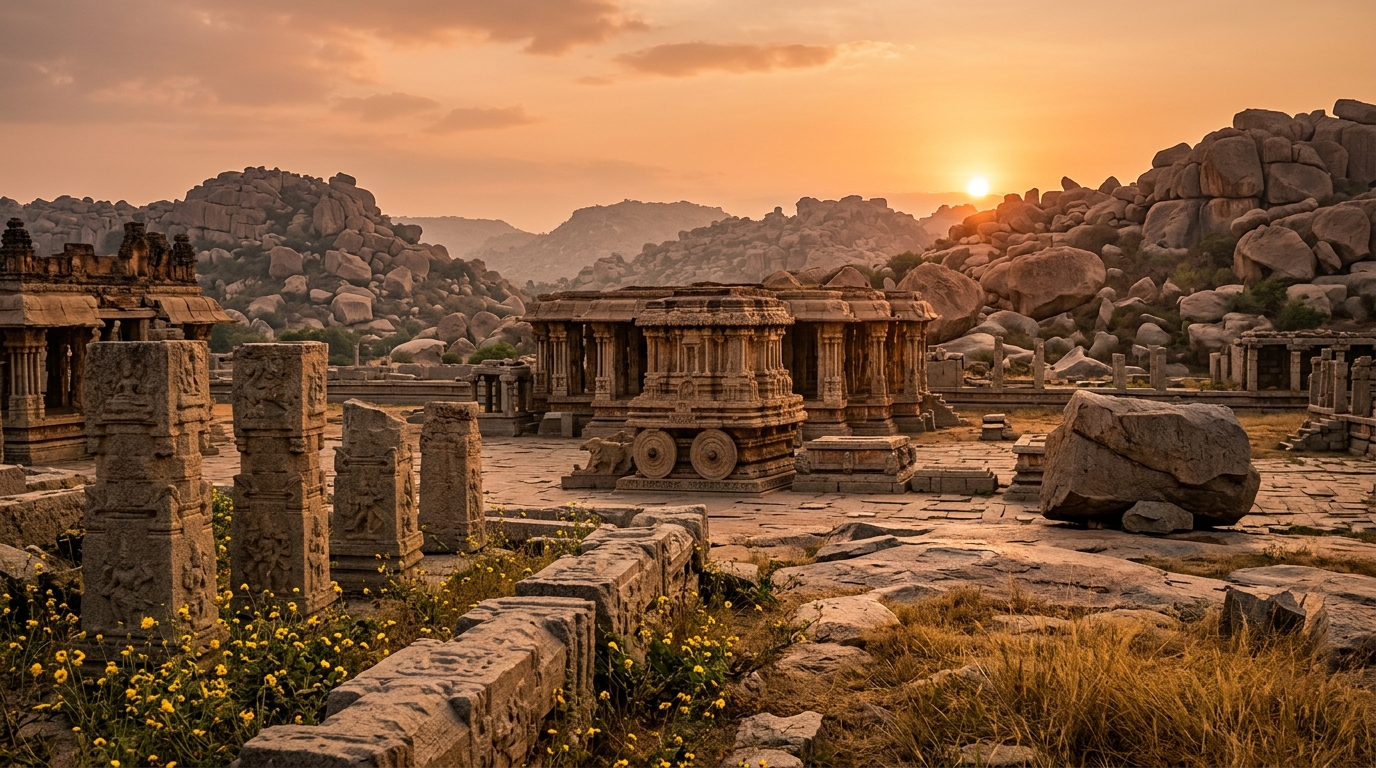
- Karnataka: Known for its dynamic cities, royal palaces in Mysore, coffee estates in Coorg, and ruins of Hampi.
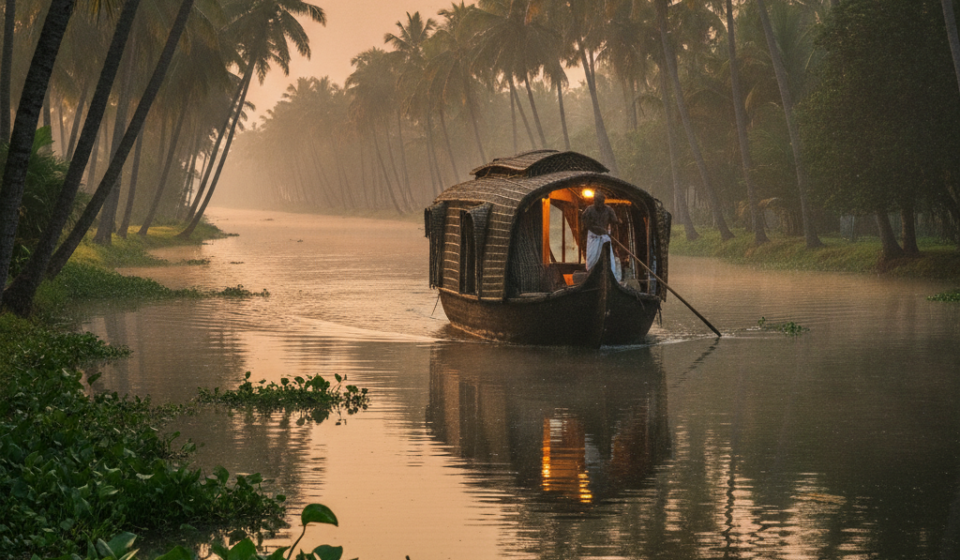
- Kerala: Renowned for tranquil backwater houseboats, Ayurvedic wellness retreats, and coastal spice ports.
- Tamil Nadu: Home to towering ancient Dravidian temples, rich classical arts, and the misty Nilgiri mountains.
- Andhra Pradesh and Telangana: Famous for historical fortresses, bustling modern cities like Hyderabad, and sacred pilgrimage centers.
This geography splits the region into coastal plains, mountain highlands, and dry inland plateaus. Traveling from coastal Kochi to the cool heights of Munnar involves a sharp altitude change of roughly 1500 meters in just four hours. Such transitions mean that packing for one region will not suffice for another. But still, high altitudes of the Western Ghats can drop to a chilly 10 degrees Celsius, even when coastal cities experience intense tropical heat.
Selecting the Ideal South India Travel Plan
Selecting the appropriate south india travel plan depends heavily on your available time and specific interests. Travelers seeking spiritual architecture will focus on Tamil Nadu, while those prioritizing wilderness and relaxation lean toward Kerala. A balanced approach combines both, though this requires at least a two-week commitment to avoid exhaustion. If you have only a week, focus on a single state rather than attempting to cross borders.
To streamline this, we can categorize travel styles into distinct types:
- The Heritage & Culture Route: Best suited for architectural enthusiasts wanting to explore ancient temples, classical music, and majestic palaces.
- The Nature & Serenity Route: Geared toward those looking for tea gardens, wildlife safaris, backwaters, and peaceful beach holidays.
- The Wellness & Slow Travel Route: Focuses on long-stay Ayurvedic retreats, organic farming experiences, and colonial seaside towns like Pondicherry.
No matter the category, your south india travel plan must account for the substantial distances between major attractions. Private vehicles with a driver are often the most reliable method for interstate transit. The comparative guide below highlights key state metrics to help organize your schedule:
| State Focus | Best Travel Highlights | Key Airport Hub | Recommended Days |
|---|---|---|---|
| Karnataka | Mysore Palace, Coorg, Hampi Ruins, Kabini Wildlife | Bengaluru (BLR) | 5 – 7 Days |
| Tamil Nadu | Madurai, Ooty Heritage Train, Mahabalipuram, Tanjore | Chennai (MAA) | 6 – 8 Days |
| Kerala | Munnar Tea Estates, Alleppey Backwaters, Fort Kochi | Kochi (COK) | 5 – 7 Days |
| Andhra & Telangana | Charminar, Golconda Fort, Tirupati temple complex | Hyderabad (HYD) | 4 – 6 Days |
The Ultimate 14-Day South India Itinerary
This detailed 14-day itinerary provides a balanced route through Karnataka, Tamil Nadu, and Kerala. It is designed for those who want to experience heritage, nature, and coastal life without feeling rushed. This plan assumes Bangalore as the starting point and Trivandrum or Kochi as the departure terminal, making logistics straightforward for international and domestic arrivals alike.
Days 1 to 3: The Cultural Gateways of Karnataka
The journey begins in Bangalore, the modern capital of Karnataka. Spend your first day adjusting and exploring landmarks like the Bangalore Palace. On day two, travel south to Mysore (a journey of roughly three hours by express train). Mysore offers a stark contrast with its royal history. The grand Mysore Palace remains the focal point here, especially when illuminated on weekend evenings.
On day three, proceed to the lush hills of Coorg, famous for vast coffee estates and unique local culture. This region is ideal for those who appreciate misty mornings. To make the most of this segment of your south india travel plan, explore the curated tour options available through the Coorg travel packages, which simplify local transport and accommodation logistics.
Days 4 to 6: The Hill Stations and Heritage of Tamil Nadu
On day four, travel eastward into Tamil Nadu to Ooty, a classic hill station nestled in the Nilgiri Hills. The drive features spectacular views of dense forests. A ride on the Nilgiri Mountain Railway (a UNESCO World Heritage site) is highly recommended for its panoramic views of deep valleys.
On day five, descend to the plains of Madurai, one of the oldest continuously inhabited cities. Madurai is the spiritual heart of the state, dominated by the magnificent Meenakshi Amman Temple (an architectural wonder). The complex is a marvel of Dravidian architecture, featuring twelve soaring gopurams. To include this historic gem in your south india travel plan, consult the comprehensive Tamil Nadu travel portal to arrange local guides.
Days 7 to 10: The Backwaters and Greenery of Kerala
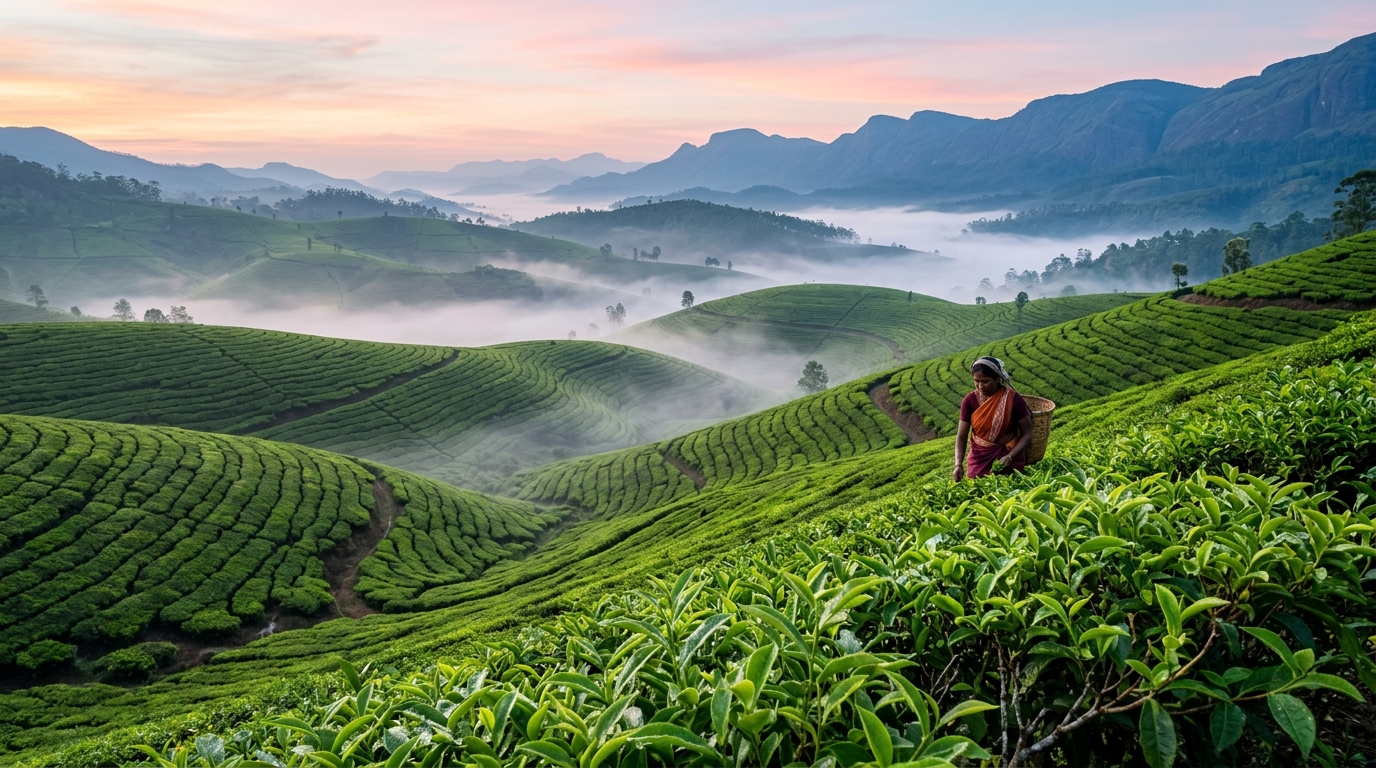
On day seven, cross into Kerala, arriving in the high-altitude spice country of Munnar. The landscape changes instantly to endless carpets of tea plantations. Spend your days walking through tea estates and enjoying the cool breeze. Munnar provides a peaceful respite from the plains and remains a vital stop in any well-rounded south india travel plan.
On day nine, head down to Alleppey, the hub of the backwaters, to board a traditional houseboat for an overnight cruise. On day ten, travel south to Kovalam. Known for its crescent beaches and calm waters, Kovalam is ideal for seaside relaxation. For those wanting to customize this segment, the Kerala travel packages offer excellent tailored plans.
Days 11 to 14: Coastal Relaxation and Colonial Charm
On day eleven, travel to Kochi, a historic port city. Fort Kochi is famous for its giant Chinese fishing nets, historical churches, and spice markets. Spend day twelve exploring Jewish Town and the Dutch Palace, which reflect the complex colonial history of the region.
Spend days thirteen and fourteen in the French colonial enclave of Pondicherry, famous for its quiet streets and the spiritual community of Auroville. On your final day, travel back to Chennai or Bangalore for your flight. This completes a comprehensive, multi-state south india travel plan that covers heritage, nature, and relaxation in equal measure.
A Comprehensive South India Budget Guide
Budgeting is a vital component of any successful south india travel plan. The cost of traveling in this region is generally lower than in northern India (depending on the source), though prices vary significantly based on your travel style and season. High season (November to February) brings higher room rates, while the monsoon offers major discounts. To plan effectively, you must understand the breakdown of expenses across accommodation, transport, and food.
The comparative table below outlines the estimated daily expenses for different travel styles. This south india travel plan details help you allocate funds realistically across the region.
| Expense Category | Budget (INR per day) | Mid-Range (INR per day) | Luxury (INR per day) |
|---|---|---|---|
| Accommodation | 800 – 1,500 | 2,500 – 5,000 | 8,000 – 20,000+ |
| Local Transport | 300 – 600 | 1,500 – 3,000 | 4,000 – 7,000 |
| Food & Dining | 250 – 500 | 800 – 1,800 | 2,500 – 5,000 |
| Activities & Entry Fees | 100 – 300 | 500 – 1,200 | 1,500 – 3,500 |
| Total Daily Cost | 1,450 – 2,900 | 5,300 – 11,000 | 16,000 – 35,500+ |
Accommodation Expenses
Accommodation is usually the largest expense in a south india travel plan. Budget travelers can easily find clean guesthouses and homestays, especially in Kerala. Homestays are highly recommended because they offer a glimpse into local life and include home-cooked meals. Mid-range travelers can choose heritage hotels in Madurai, while luxury travelers have access to premium resorts in Alleppey.
During peak season (December to January), accommodation prices can double. It is crucial to book lodging at least three months in advance to secure the best rates. When finalizing hotel bookings for your south india travel plan, consider opting for the AP Plan (American Plan) if staying in remote hill stations to save on dining costs.
Transportation Modes and Costs
Transportation is another key factor in your south india travel plan. For FITS (Free Independent Travelers) who value flexibility, the rail network is excellent. The rail network is extensive, reliable, and highly affordable. Long-distance overnight trains are a fantastic way to cover vast distances while saving on hotel costs. An air-conditioned sleeper berth (such as 3AC) on an express train is comfortable and economical. Book train tickets weeks in advance, as popular routes fill up quickly.
For flexible day trips, hiring a private car with a driver is the most convenient option. A standard sedan costs roughly 2,500 to 3,500 INR per day, including fuel and driver allowance. Local transport within cities consists of auto-rickshaws and app-based services. Always agree on a fare before starting an auto-rickshaw journey.
Food and Daily Allowance
Food is remarkably affordable and forms a delightful part of any south india travel plan. A traditional South Indian meal, often served on a banana leaf, is incredibly filling. In local eateries, a vegetarian meal consisting of rice, sambar, and vegetable side dishes costs around 100 to 150 INR. These meals are highly economical and widely available.
If you prefer dining in mid-range restaurants, expect to pay between 400 and 800 INR per meal. For a comfortable trip, a daily allowance of 500 to 1,000 INR per person is usually enough to cover bottled water, fresh coconut water, light snacks, and three solid meals.
Essential Tips for Traveling in South India
A successful journey requires more than just an itinerary and a budget. To get the most out of your south india travel plan, you need to understand local practicalities and the cultural landscape. Traveling here is generally smooth, but having some insider knowledge helps you avoid common mistakes and connect more deeply with the local communities.
Seasonal Variations and Best Time to Visit
The best time to execute your south india travel plan is during the winter season, from November to February. The weather is pleasantly cool and dry, making it perfect for sightseeing. Summer (March to May) can be extremely hot and humid, especially in the coastal plains. High-altitude hill stations like Munnar remain comfortable.
The monsoon season (June to September) brings heavy rainfall to the western coast. Critics say traveling here during the monsoon is a bad idea. They are not entirely wrong, as rains can cause delays. But still, they underestimate the unique beauty of the hills and backwaters. The countryside becomes green, and luxury resorts offer massive discounts. If you do not mind rain, this is an excellent time for a budget holiday.
Cultural Nuances and Temple Etiquette
South India is home to some of the most sacred and historic temples in the world. When visiting these spiritual sites, proper temple etiquette is mandatory. Both men and women should dress modestly. Some traditional temples in Tamil Nadu and Kerala require men to wear a traditional dhoti and remove their shirts before entering the inner sanctum.
Footwear must always be removed before entering temple premises. Most temples have a designated stall where you can leave your shoes for a small fee. Photography is prohibited inside the inner sanctums of active temples, though you are free to photograph outer courtyards. Respecting these traditions ensures a positive interaction with the community.
- Men: Long trousers or a traditional dhoti (some temples require removing shirts).
- Women: Salwar kameez, saree, or long skirts (fully covering shoulders and knees).
- Footwear: Always removed and stored at the temple shoe counter.
- Accessories: Avoid leather items like belts or wallets inside certain traditional temple sanctums.
Culinary Highlights and Dining Advice
No south india travel plan is complete without exploring regional cuisine. South Indian food is incredibly diverse, with each state offering unique spice blends. While vegetarian dishes like idlis and dosas are famous, coastal regions offer outstanding seafood, such as Kerala fish curry cooked in coconut milk or Tamil Nadu’s fiery Chettinad preparations.
When dining locally, use your right hand to eat. This is a deep-rooted cultural norm across India. Most restaurants have a dedicated hand-washing area. If you prefer using cutlery, a spoon and fork are usually provided upon request. To prevent stomach upset, stick to sealed, bottled mineral water. Freshly prepared food from busy local eateries is safe and delicious.
FAQs
To help you further refine your south india travel plan, we have compiled answers to some of the most frequently asked questions about traveling through this rich and diverse region.
How many days are sufficient for a South India travel plan?
A standard south india travel plan requires at least 10 to 14 days to cover the highlights of two major states, such as Kerala and Tamil Nadu. If you wish to include Karnataka or Andhra Pradesh, extending your trip to 21 days is highly recommended. For shorter trips of 5 to 7 days, focusing on a single region is best.
What is the most efficient way to travel between states?
For an interstate south india travel plan, combining overnight trains and private cars is the most efficient approach. Trains are excellent for long-distance travel between major cities, while a private car with a professional driver offers unmatched flexibility for navigating mountainous regions like Munnar, Coorg, or Ooty where train connectivity is limited.
Is South India safe for solo travelers?
Yes, South India is widely considered extremely safe for solo travelers, including solo female travelers. The local population is generally helpful, polite, and respectful of foreigners. However, when drafting a safe south india travel plan, rest assured that taking standard travel precautions is usually more than sufficient for a trouble-free journey.
What clothing is appropriate for visiting ancient temples?
When visiting ancient temples on your south india travel plan, modest clothing is required. Men should wear trousers or a traditional dhoti, while women should wear long skirts, pants, or traditional Indian attire like a salwar kameez. Shoulders and knees must be fully covered, and shoes must be removed before entering the temple.