

Planning an extended journey through the southern peninsula of India requires more than just booking flights and hotels. The sheer geographical variety, ranging from quiet coastal towns to dense mist-covered mountains, demands a structured approach. A well-designed south india travel plan ensures that travelers experience the true essence of this region without feeling rushed or overwhelmed by travel distances. From the royal heritage of Mysore to the serene houseboats of Alleppey, each destination presents its own distinct rhythm. To help travelers optimize their journey, this guide provides a comprehensive breakdown of itineraries, budgeting, and essential local insights. By looking at actual transit logistics and accommodation choices, anyone can craft a smooth, memorable journey. In practice, creating a successful south india travel plan requires balancing active sightseeing with proper periods of rest.
- Ideal Duration: A 10 to 14-day itinerary allows you to explore two states comfortably without rushing.
- Best Time to Visit: Plan your trip between November and February to enjoy cooler, dry weather.
- Transport Tips: Book long-distance train tickets 60 days in advance; use private cars for flexible local transit.
- Must-Visit Highlights: Balance the royal history of Mysore, the tranquil backwaters of Alleppey, and the heritage of Kochi.
- Cultural Respect: Wear modest clothing when visiting South India’s historic temples and remove footwear at entrances.
Why Choose South India for Your Next Getaway?
The southern states of India offer a distinct contrast to the busy cities of the north. Here, life moves at a more measured pace, centered around temple towns, lush plantations, and coastal backwaters. For those designing a comprehensive south india travel plan, the region provides an incredible diversity of experiences within relatively short distances. You can wake up in a modern technological hub and end your day in a historical palace dating back centuries.
Also, the culinary and architectural traditions of the south are highly diverse. Key highlights that enrich your journey include:
- Culinary Traditions: Savor everything from spicy Chettinad curries to light, fermented steamed rice cakes (idlis) and Appam with stew in Kerala.
- Architectural Wonders: Witness the towering Dravidian temples of Tamil Nadu and the colonial churches of Kerala that showcase a rich historical progression.
- Cultural Depth: Engage with active centers of daily worship and classical performance arts like Kathakali.
(A brief note of caution: the weather can be humid, so planning your seasonal timing is critical). Selecting a structured south india travel plan allows you to balance these diverse elements without suffering from travel fatigue.
The Ultimate 10-Day South India Itinerary
To truly appreciate the cultural and natural variety of this region, a ten-day trip is highly recommended. This duration balances travel time with immersive exploration. A structured south india itinerary helps travelers maximize their experiences across multiple states. Below is a detailed day-by-day progression designed to minimize transit stress while maximizing cultural immersion. This route connects Karnataka and Kerala, offering a perfect mix of urban exploration, hill stations, and coastal waterways. It serves as an excellent foundation for your overall south india travel plan.
Days 1-3: Cultural Heritage in Bangalore and Mysore
Begin your journey in Bangalore, the modern capital of Karnataka. Known as a technology center, it boasts vast public gardens. Spend your first day adjusting to the climate and exploring the botanical gardens of Lalbagh. On the second day, proceed to Mysore (roughly a three-hour drive or train journey depending on your preference).
Mysore serves as the cultural heart of the state. To get the most out of your stay, be sure to experience these iconic highlights:
- The grand Mysore Palace: An architectural masterpiece, especially when illuminated on Sunday evenings.
- Chamundi Hills: Climb up for a spectacular, panoramic view of the entire city.
- Local Markets: Explore historical bazaars famous for silk, incense, and sandalwood.
Incorporating this specific route into your south india travel plan provides an excellent introduction to the royal history of the region. To simplify your trip, explore curated Bangalore and Mysore travel options to secure reliable local transport and professional guides. This ensures you do not waste time managing local transit bookings during your stay.
Days 4-6: Wayanad Hills and the Western Ghats
Departing from the palaces of Mysore, the route ascends into the Western Ghats toward Wayanad in Kerala. This highland region is famous for spice plantations and mist-covered peaks. The scenic drive cuts through forest reserves where wild elephants are occasionally spotted.
Spend these three days focusing on the region’s main natural attractions:
- Edakkal Caves: View ancient pictorial writings dating back to the Neolithic era.
- Chembra Peak: Hike up to see the iconic heart-shaped lake.
- Plantation Homestays: Relax in coffee and tea estates while enjoying home-cooked local meals.
This portion of your south india travel plan introduces a slower, nature-oriented pace. It provides a clean break from the urban environment before you head toward the coastal lowlands. A quick detour to Coorg is also highly recommended if you wish to see more of the region’s famous coffee hills.
Days 7-8: Backwater Serenity in Alappuzha (Alleppey)
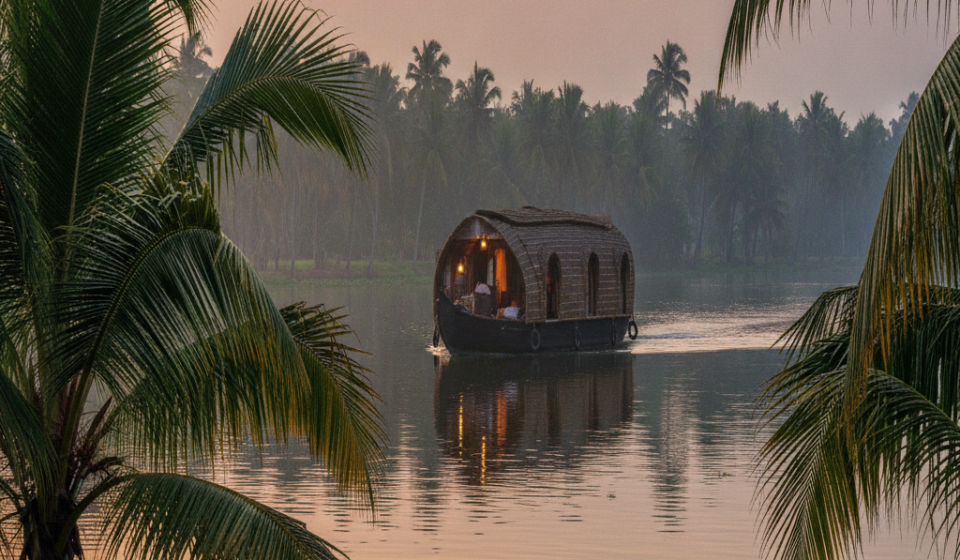
From the hills of Wayanad, travel south to Alappuzha (Alleppey), the heart of Kerala’s backwaters. Here, renting a traditional houseboat (locally known as a Kettuvallam) is an essential experience. These boats glide along quiet canals lined with coconut palms and small villages.
Spending a night on a houseboat offers a unique look into rural Kerala life. You will observe local fishermen at work and enjoy traditional meals prepared on board using local pearl spot fish and coconut. Including a backwater stay is a non-negotiable part of a successful south india travel plan. It provides a quiet, meditative environment that is hard to find elsewhere. This offers a quiet way to unwind after several days of active hill-station exploration.
Days 9-10: Coastal Charm of Kochi
Conclude your ten-day journey in the historic port city of Kochi. This city is a fascinating blend of foreign influences, including Chinese, Portuguese, Dutch, and British. Walk through historic Fort Kochi to see giant Chinese fishing nets, actively used since the fourteenth century.
Visit the sixteenth-century Santa Cruz Basilica and the Jewish Synagogue in Jew Town. In the evening, watch a traditional Kathakali dance performance to experience the local storytelling arts. This coastal city makes for an excellent departure point, as its international airport connects directly to major global hubs. Following this south itinerary ensures you leave with a comprehensive understanding of both the highlands and the coasts. This wraps up a balanced south india travel plan.
Major Places to Visit in South India
While the ten-day itinerary covers a beautiful route, the southern region is immense. There are several other key destinations that deserve consideration when customizing your south india travel plan. Depending on your personal interests (whether you prefer ancient temples, dense forests, or quiet beaches), you may want to modify your route to include these outstanding places to visit in south india. Let us look at the individual states to understand what each one offers.
To help you decide which regions to focus on, here is a quick comparison of the three major southern states to include in your south india travel plan:
| State | Primary Vibe & Landscape | Must-Visit Destinations | Recommended Days |
|---|---|---|---|
| Kerala | Serene backwaters, wellness retreats, dense forest reserves, and tea gardens. | Alleppey, Kochi, Munnar, Thekkady | 4 – 6 Days |
| Karnataka | Royal history, modern tech hubs, massive ruins, and sprawling coffee hills. | Bangalore, Mysore, Coorg, Hampi | 5 – 7 Days |
| Tamil Nadu | Grand ancient Dravidian temples, coastal French colonial towns, and cultural hubs. | Madurai, Pondicherry, Chennai, Ooty | 4 – 6 Days |
Kerala: The Quiet Escape
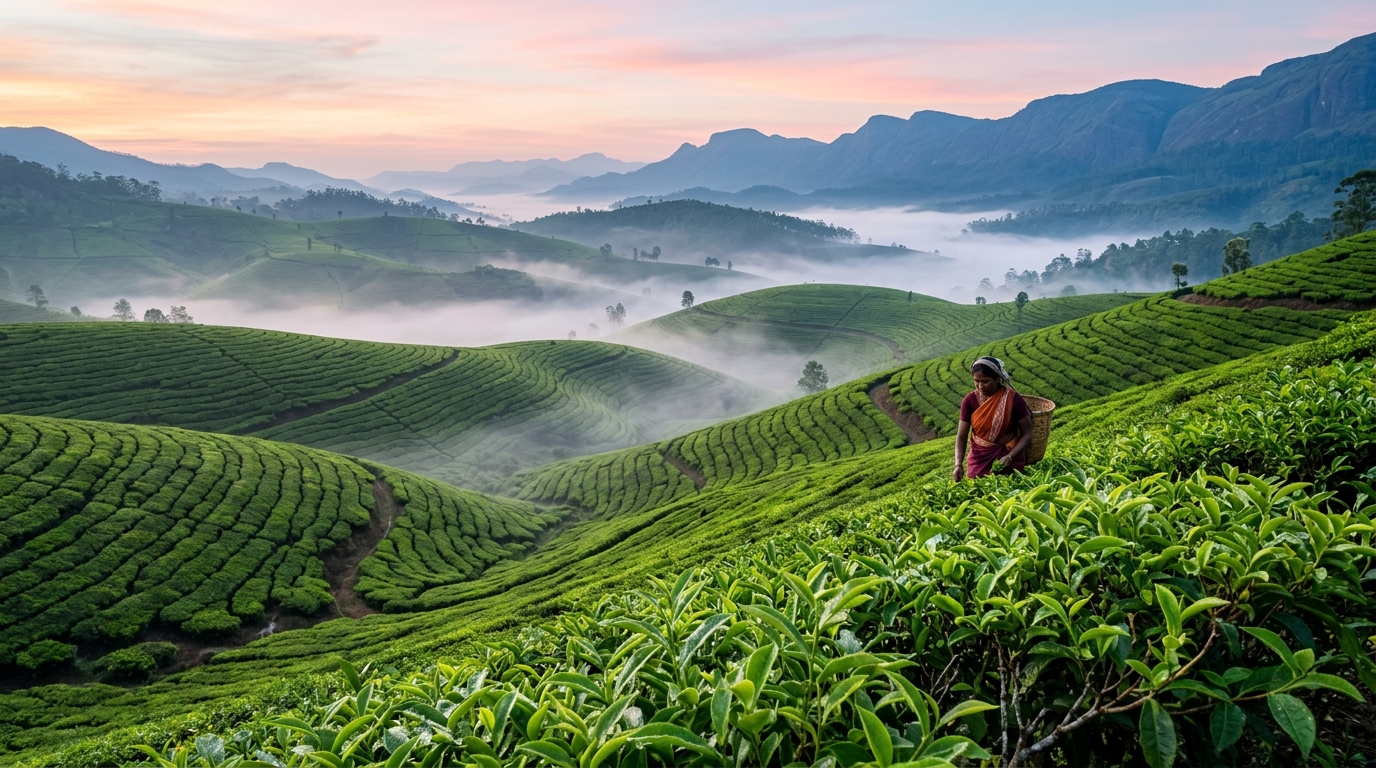
Kerala is often referred to as God’s Own Country for its pristine nature and relaxed lifestyle. Beyond Alleppey and Kochi, travelers should consider Munnar for its endless green tea gardens and Kovalam for its crescent-shaped beaches. The state focuses heavily on eco-tourism, making it highly accessible for international travelers.
Book structured Kerala tour packages to easily explore the backwaters and the Periyar wildlife sanctuary in Thekkady. This ensures you do not miss hidden gems where guided boat tours offer views of wild boars, bison, and exotic birds. A robust south india travel plan is incomplete without experiencing the slow-paced charm of Kerala’s coastal villages and hill stations.
Karnataka: Palaces and Coffee Plantations
Karnataka offers a rich mix of modern development and ancient history. For coffee lovers, the hills of Coorg (officially known as Kodagu) are a must-visit destination. The region is famous for private coffee estate tours and spectacular waterfalls.
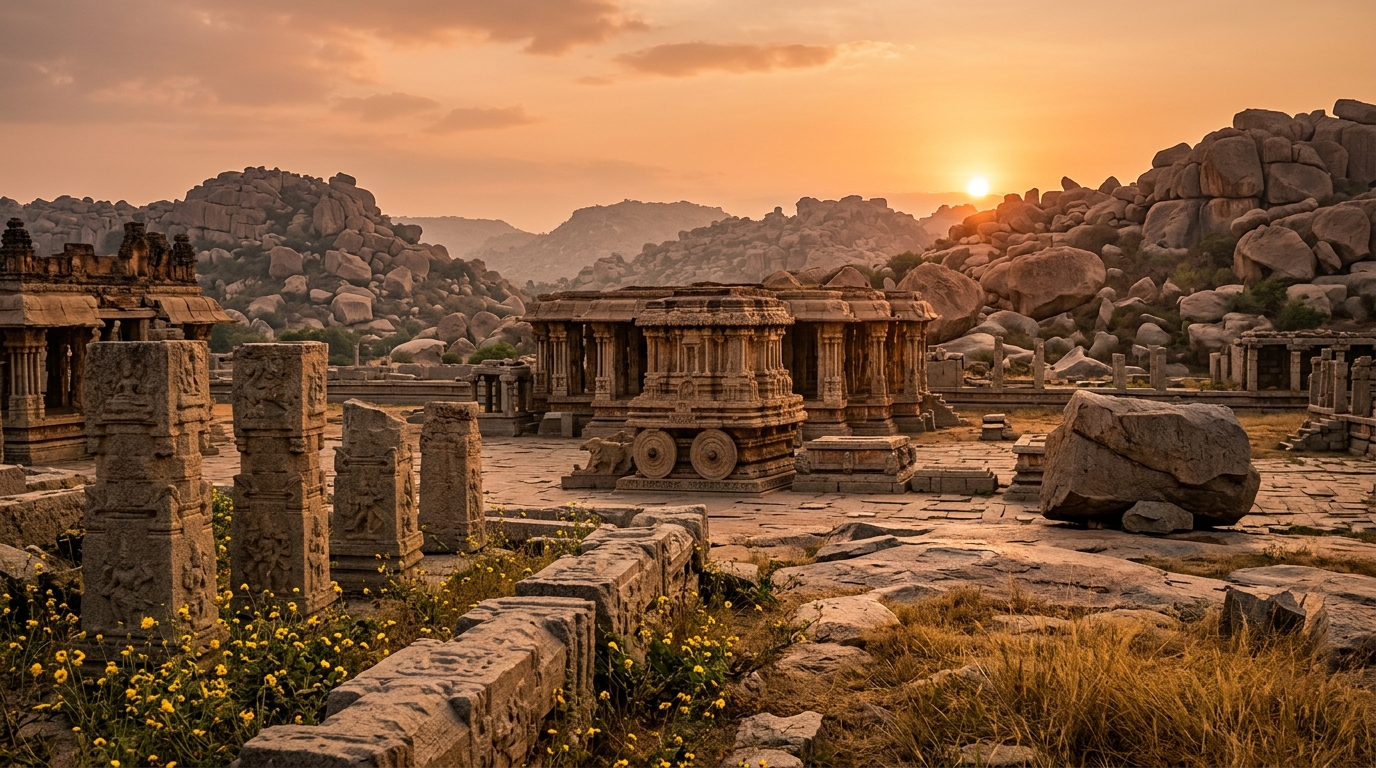
History enthusiasts should head north to Hampi, a UNESCO World Heritage Site featuring the ruins of the Vijayanagara Empire. The stone temples and massive boulder-strewn terrain provide an unforgettable look into India’s medieval wealth. Adding these spots to your south india travel plan adds historical depth and variety to your journey, bridging the gap between ancient history and modern city life.
Tamil Nadu: Majestic Temples and Hill Stations
Tamil Nadu is the cultural powerhouse of the region, defined by its ancient Dravidian architecture. The city of Madurai is home to the stunning Meenakshi Amman Temple, a massive complex covered in thousands of colorful stone sculptures.
For a cooler retreat, the French-influenced coastal town of Pondicherry and the hill station of Ooty offer beautiful architecture and pleasant temperatures. The state’s temples are not just historical monuments; they are active centers of daily worship and cultural gathering. Incorporating these architectural wonders into your places to visit in south india list will enrich your overall travel experience. Explore specialized packages for Tamil Nadu to streamline your visit and integrate these destinations into your south india travel plan.
South India Travel Budget: Detailed Cost Breakdown
Budgeting for a trip to this region is highly flexible. Whether you are a backpacker staying in hostels or a luxury traveler seeking heritage resorts, a clear financial overview is essential. A well-planned south india travel plan balances comfort with cost-effectiveness. Below is an approximate cost breakdown for a mid-range traveler, calculated to help you allocate your resources wisely.
These estimates are based on average mid-range travel standards. They assume comfortable private transport and clean, air-conditioned accommodation. The prices reflect typical costs for a single traveler when sharing a room with another person.
| Expense Category | Estimated Cost (INR / Daily) | Description & Standard of Service |
|---|---|---|
| Accommodation | 3,000 – 5,000 | Air-conditioned mid-range hotels, boutique homestays, or heritage bungalows. |
| Transportation | 2,500 – 4,000 | Private air-conditioned sedan with professional driver (includes fuel and tolls). |
| Food and Dining | 800 – 1,500 | Authentic local restaurants, hotel breakfast, and occasional mid-range dinners. |
| Sightseeing & Entry | 300 – 800 | Monument entry fees, quick-entry temple tickets, and local guide charges. |
| Miscellaneous | 500 – 1,000 | Souvenirs, bottled water, snacks, tips, and minor shopping items. |
Accommodation Expenses
Accommodation costs vary significantly based on your comfort requirements. Budget homestays and guest houses are widely available, often costing between 1,500 and 3,000 Indian Rupees (INR) per night. These options often provide home-cooked meals and local guidance, which adds immense value to your south india travel plan.
Luxury properties can exceed 15,000 INR. However, budgeting 4,000 INR per night ensures highly rated boutique hotels with reliable air conditioning, keeping your south india travel plan affordable yet highly comfortable. This tier ensures a safe, relaxing environment after a long day of sightseeing.
Transportation and Flight Costs
Internal transportation is a major component of any south india travel plan. Major cities are well-connected by domestic flights and an extensive railway system. Booking train tickets well in advance (ideally sixty days before travel) is essential to secure air-conditioned sleeper class seats.
For local travel, renting a private car with a professional driver remains the most convenient option for families and groups. This service typically costs between 3,500 and 5,000 INR per day, covering fuel, driver allowances, and state toll taxes. Public buses are cheaper but less comfortable with heavy luggage.
Food and Sightseeing Estimates
Food in this region is remarkably affordable and delicious. Eating at traditional local restaurants (often called messes or hotels) will cost around 150 to 300 INR for a full meal. These meals are typically served on banana leaves and offer unlimited servings of rice, sambar, and various vegetable preparations.
Sightseeing entry fees are generally modest, though some monument sites have separate pricing for international tourists. For example, historical temple entries are often free, but special quick-entry tickets may cost around 100 to 250 INR. This minor addition to your south india travel plan prevents unexpected cash shortages during your daily excursions.
Practical Tips for Planning Your Trip
Executing a smooth journey requires attention to local customs, weather patterns, and logistics. Because the southern states operate differently from other parts of India, specific preparation is required. These practical guidelines ensure your south india travel plan remains highly enjoyable.
Best Time to Visit South India
The ideal window to explore this region is between November and February. During these winter months, the climate is relatively cool and dry, with average temperatures ranging from 20 to 30 degrees Celsius. This is the perfect time for outdoor sightseeing and beach activities.
The summer months (from March to May) can be exceptionally hot and humid, with temperatures frequently exceeding 35 degrees Celsius. If traveling during the hot summer, focus your south india travel plan on cooler hill stations. The monsoon season (from June to September) brings heavy rainfall, which is beautiful for viewing waterfalls but can disrupt road transport.
What to Pack for Your Journey
Prioritize light cotton clothing for the warm climate. If your south india travel plan includes temple visits, pack modest outfits covering shoulders and knees.
Here is a quick checklist of essential items to pack:
- Light cotton clothes and temple-appropriate attire.
- Slip-on shoes (footwear must be removed at temple entrances).
- Sunscreen, mosquito repellent, and a reusable water bottle.
- A light jacket for high-altitude hill stations.
Local Transport Options
Getting around southern cities is quite simple once you understand the local systems. App-based services like Uber and Ola are widely available in cities like Bangalore and Chennai, eliminating fare negotiations.
For travel between cities, the Indian Railways network is both economical and scenic. For shorter distances between nearby towns, state-run express buses are frequent and reliable. Incorporating these varied transport modes into your south india travel plan keeps your budget balanced while providing an authentic local experience.
FAQs
Here are answers to frequent questions regarding your south india travel plan. Understanding these details beforehand will save time and prevent common travel mistakes.
How many days are enough for a South India trip?
A duration of ten to fourteen days is generally ideal for a first-time visitor. This timeframe allows you to explore two adjoining states (such as Karnataka and Kerala) comfortably. Trying to cover the entire southern region in a single trip can lead to exhausting travel days and less time spent enjoying the actual destinations.
What is the best way to travel between cities in South India?
For long distances, domestic flights are the fastest option. However, for a more cultural and scenic experience, the train network is highly recommended. Booking air-conditioned chair cars or sleeper classes provides comfort while allowing you to enjoy the beautiful countryside. This is a vital logistics decision when designing your south india itinerary.
Is South India safe for solo travelers?
Yes, the region is highly safe for solo travelers. The local communities are generally helpful and welcoming to tourists. However, standard precautions like using registered transport still apply, especially late at night.
Which are the must-eat dishes in South India?
Try traditional Masala Dosa, Idli with Sambar, Kerala’s Appam with stew, and local filter coffee. These iconic culinary delights are easily available at local eateries and heritage messes throughout the region.
Conclusion
A meticulous south india travel plan unlocks the region’s diverse offerings. Balancing historical temples, quiet beaches, and hill stations ensures a rewarding experience. Take time to plan your logistics, choose the right season, and begin your southern adventure.