
Crossing the geographical divide of the Vindhya Range reveals a territory of remarkable historical depth and cultural distinction. Unlike the historic fortifications of the north, the southern peninsula presents an environment shaped by ancient dynastic trade routes, tropical coasts, and intricately carved temples. For first-time visitors and experienced explorers alike, crafting an effective south india travel plan is the difference between a rushed trip and a profound exploration. The peninsula represents a massive area of diverse topographies, from the high altitude tea estates of the Western Ghats to the quiet palm-fringed backwaters. Success relies on understanding how to balance these geographic contrasts. When mapping out a south india travel plan, travelers must look beyond the standard guidebooks and approach the region as a collection of distinct cultural territories. Moving through Karnataka, Kerala, Tamil Nadu, and Andhra Pradesh demands a structured approach. This comprehensive guide provides the framework to manage travel through this vast region with clarity and precision.
Key Takeaways for Your South India Travel Plan
- Optimal Travel Window: Plan your visit between October and March to enjoy pleasant temperatures and low humidity, avoiding heavy monsoons or intense summer heat.
- Strategic Geographic Zoning: Divide your itinerary into balanced regions, mixing the cooler Western Ghats, the historic Deccan Plateau, and coastal lowlands.
- Transport Diversity: Combine pre-booked trains (IRCTC) for scenic regional journeys and private hired cars with professional drivers for local flexibility.
- Rich Heritage & Nature: Seamlessly integrate iconic landmarks like the Meenakshi Amman Temple in Tamil Nadu with the peaceful backwater kettuvallams in Kerala.
- Cultural & Culinary Mindfulness: Respect local temple dress codes and enjoy traditional meals served on biodegradable banana leaves using your right hand.
Decoding the Geography of South India
Designing an itinerary requires a firm grasp of the physical geography that defines the peninsula. The territory is not uniform. It consists of the coastal plains, the rugged Deccan Plateau, and the forested slopes of the Western and Eastern Ghats. For a Free Independent Traveler (commonly known as a FIT), recognizing how these zones interact is essential when structuring a south india travel plan. The Western Ghats act as a massive barrier. They block the monsoonal winds and create a lush, damp environment on the coast while leaving the plateau behind them relatively dry.
The geographical layers of a south india travel plan include:
- Coastal Lowlands: Brackish backwaters and canal networks, particularly in Kerala, where water transport is central to local life.
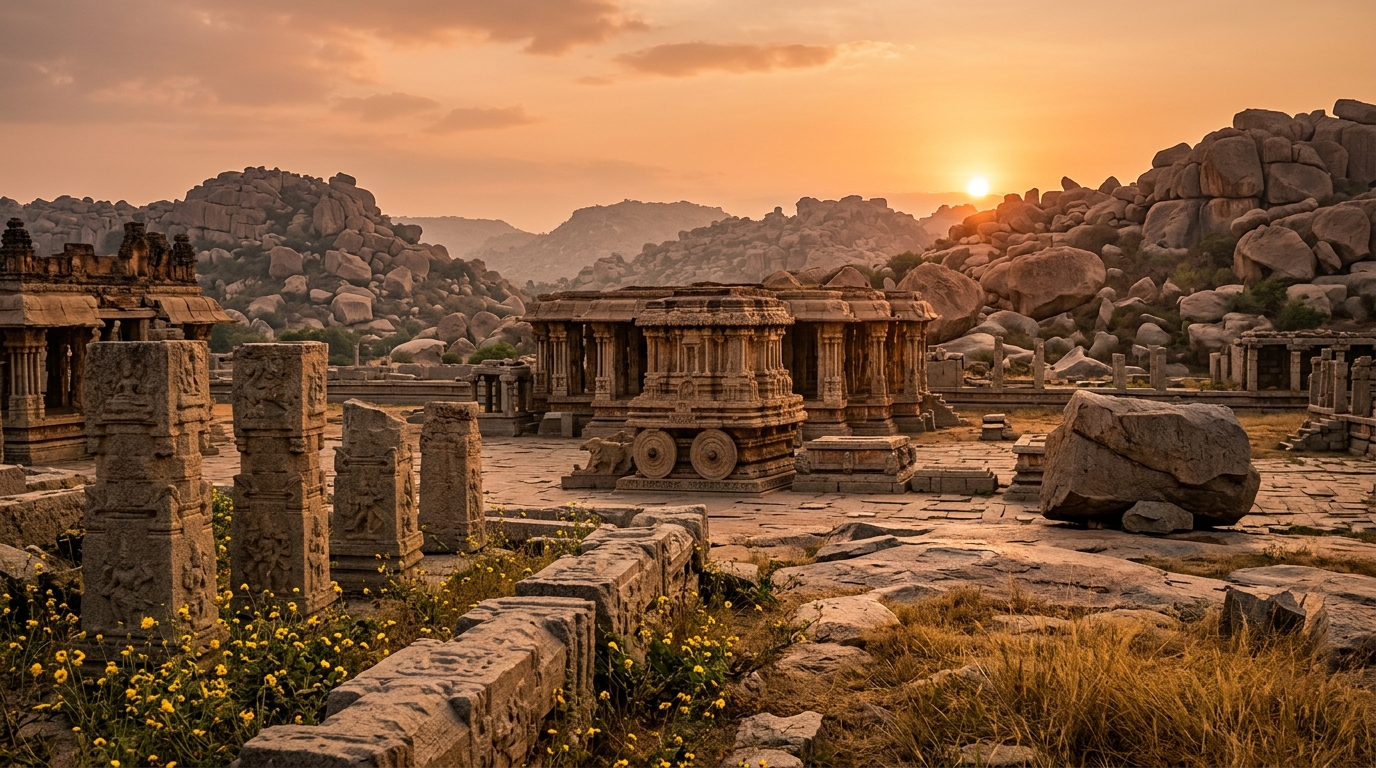
- Deccan Plateau: Arid inland plains and granite landscapes dotted with historic ruins like Hampi and Badami.
- Eastern Plains: Flat, expansive plains in Tamil Nadu dominated by legendary temple towns that have stood for over a millennium.
Integrating these diverse terrains into a single south india travel plan requires careful routing. Trying to rush from the high-altitude tea plantations of Munnar to the deep coastal plains of the east in a single day is a logistical mistake. It is basically a recipe for travel exhaustion. It is far better to segment the travel by geographical pockets.
| Geographical Zone | Key Characteristics | Primary Destination Focus |
|---|---|---|
| Western Ghats (Highlands) | Cool climate, sprawling tea and coffee plantations, thick deciduous forests. | Munnar, Wayanad, and Ooty |
| Deccan Plateau (Inland) | Arid plains, massive granite boulder landscapes, ancient archaeological ruins. | Hampi and Badami |
| Malabar and Coromandel Coasts | Palm-lined sandy beaches, brackish backwater networks, French colonial architecture. | Kovalam, Alappuzha, and Puducherry |
Seasonal Timing for Your South India Travel Plan
Timing is everything. Unlike the sub-zero winters of the northern mountains, the southern states experience a tropical climate where the divisions are defined by moisture rather than cold. The primary window for tourism runs from October to March. During these months, temperatures remain moderate (generally hovering around 22 to 32 degrees Celsius) and the humidity levels drop significantly.
A successful south india travel plan accounts for the dramatic arrival of the monsoons. The Indian Meteorological Department reports that the southwest monsoon typically reaches the Kerala coast by June 1, starting a season of heavy downpours. Roughly 80% of the annual rainfall occurs between June and September (depending on the specific coastal sub-region). This monsoon season turns the hills of Wayanad and Munnar into vibrant green sanctuaries. But still, the heavy rain can disrupt road transport and cause localized flooding.
For travelers planning a summer journey between April and May, temperatures on the Deccan Plateau can exceed 40 degrees Celsius. This intense heat makes outdoor sightseeing in Hampi or Madurai challenging. Therefore, to base a south india travel plan on summer travel requires focusing strictly on the hill stations. Designing the perfect south india travel plan means balancing these regional weather variations to ensure a smooth journey.
An Elegant 10-Day Cultural and Coastal Route
For travelers seeking a balanced overview of the region, a ten-day route offers the ideal duration to sample heritage, hills, and waterways. This specific itinerary seamlessly incorporates these variations into a south india travel plan by focusing on the core highlights of Karnataka, Kerala, and Tamil Nadu. By utilizing major transport hubs like Bengaluru and Kochi, transit times are minimized while cultural exposure is maximized. To simplify the logistical planning of this journey, travelers can explore curated Kerala travel packages or discover the historical heritage of the east with tailored packages for Tamil Nadu.
Days 1 to 3: The Royal Heritage of Karnataka
The journey begins in Bengaluru, a modern metropolis known primarily for its technology sector (a fascinating contrast to the ancient sites that follow). This hub serves as the perfect starting point for a south india travel plan because of its international flight connectivity and excellent transit infrastructure. After a day exploring the botanical gardens of Lalbagh and the Tudor-style Bangalore Palace, travelers can take a short three-hour train ride or private drive to Mysuru.
Mysuru represents the cultural soul of the state. The city is defined by several legendary attractions:
- Amba Vilas Palace: A magnificent structure drawing millions of visitors annually, especially during the grand Dasara festival.
- Chamundi Hill: Offers sweeping panoramic views of the city below.
- Srirangapatna: The historic island fortress of Tipu Sultan, highly recommended for any heritage-focused south india travel plan.
The quiet, tree-lined streets of Mysuru provide a relaxed pace that prepares travelers for the denser coastal regions ahead.
Days 4 to 6: Exploring the Hills and Greens of Kerala
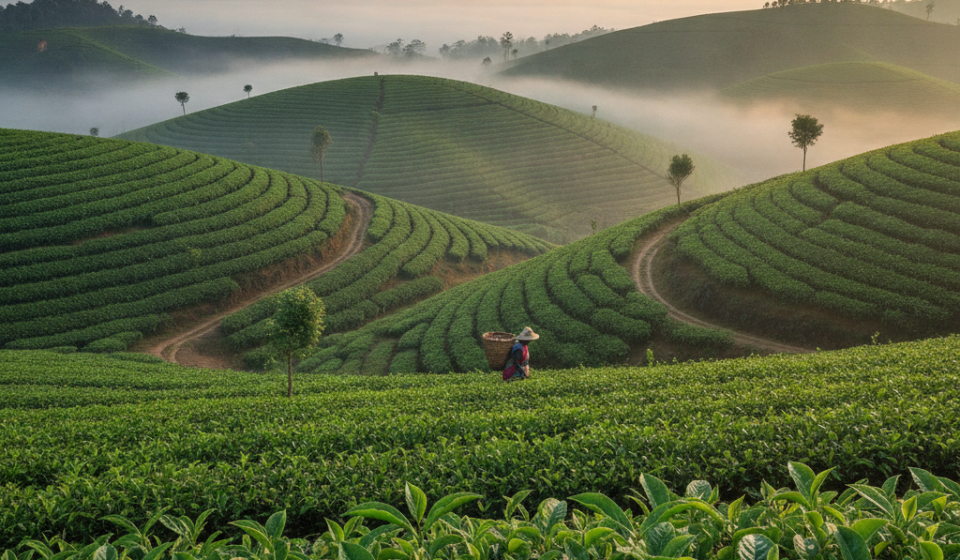
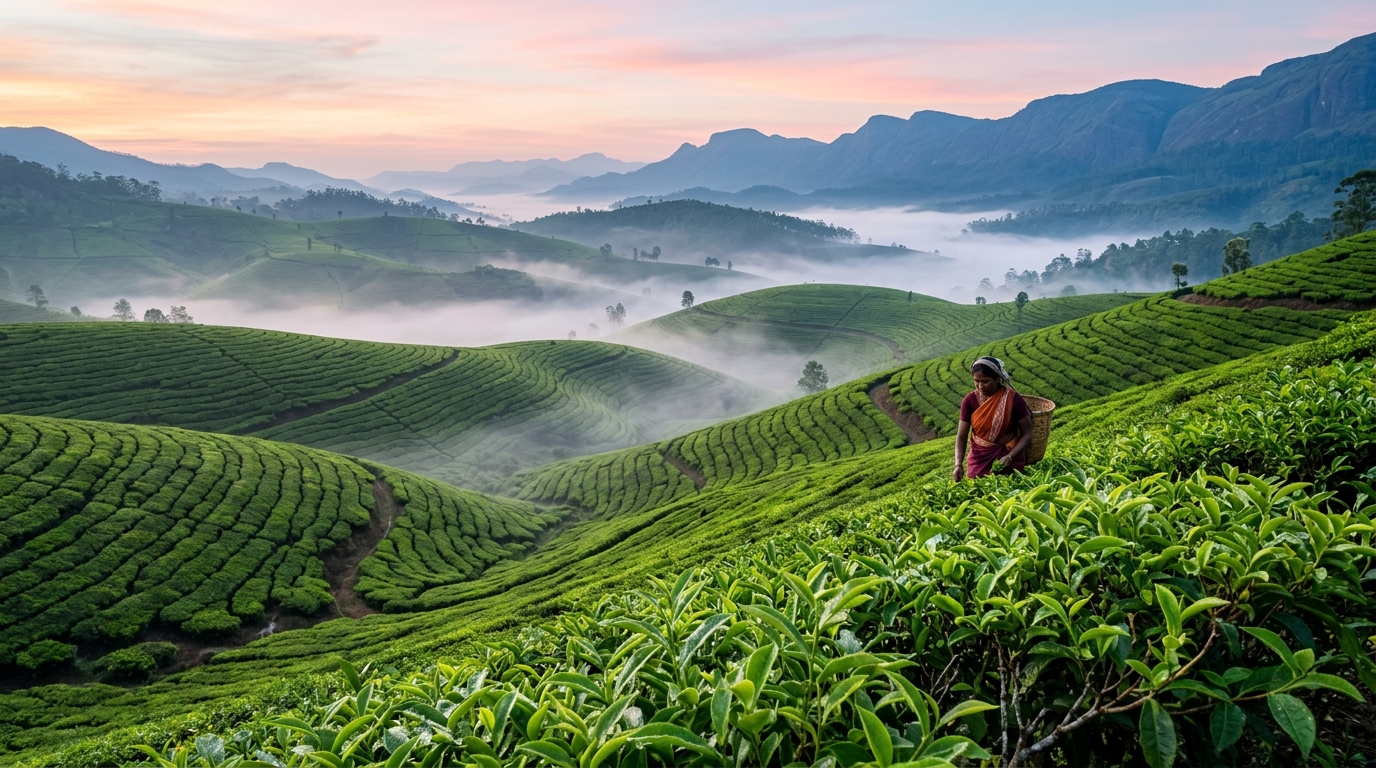
Crossing the state border into Kerala reveals a complete shift in scenery as dry plateaus give way to the dense forests of the Western Ghats. This segment forms the core of a balanced south india travel plan by introducing travelers to the region’s famous natural heritage. Munnar, situated at an altitude of roughly 1,600 meters above sea level, is a premier hill station defined by vast tea plantations and cool mist. Travelers can spend two days enjoying key activities:
- Trekking through the Eravikulam National Park to spot the rare Nilgiri tahr (an endangered mountain goat).
- Exploring the tea museums that detail the colonial history of the estates.
From the hills, the route descends to the coastal lowlands of Alappuzha, the gateway to the backwaters. Here, overnight stays on traditional houseboats (locally called Kettuvallams) provide an intimate view of rural life along the canals. These vessels, constructed from jackwood planks and coir ropes, glide past paddy fields and coconut groves. It is arguably the most relaxing experience on the entire peninsula. Critics occasionally argue that the backwaters have become overcrowded with tourism. They are not entirely wrong. But still, choosing a licensed, eco-friendly operator ensures a quiet experience. This nature-oriented south india travel plan segment highlights the environmental diversity of the south.
Days 7 to 10: Coastal Serenity and Cultural Tamil Nadu
The final leg of the journey transitions from the natural landscapes of Kerala to the historic temple complexes of Tamil Nadu. Moving eastward, travelers reach Madurai, one of the oldest continuously inhabited cities in the world. The Meenakshi Amman Temple, with its towering gopurams (gateway towers) covered in thousands of colorful stucco figures, serves as an enriching addition to a south india travel plan. The temple complex operates as a living cultural center where ancient rituals are performed daily in a bustling environment.
After experiencing the spiritual energy of Madurai, the journey continues northward to Chettinad, a region famous for its grand 19th-century mansions and distinct culinary traditions. These massive homes, built with imported teak and Italian marble, reflect the historical wealth of the local merchant community. Concluding this phase of the south india travel plan, a drive to the coastal town of Puducherry (formerly Pondicherry) offers a peaceful finale. The French Quarter, with its mustard-colored colonial villas, quiet beaches, and chic boutiques, provides a unique European charm. It is a striking contrast to the bustling Indian cities visited earlier. This coastal peace offers the perfect setting to reflect on the diverse experiences of the journey before departing from the international airport in Chennai.
Essential Logistics and Transport Strategies
Executing a south india travel plan requires an organized approach to transport. The southern states are well connected by an extensive network of railways, highways, and domestic airports, but using them requires some foresight. For long distances, the Indian Railways network is highly efficient and offers an authentic local experience. Booking train tickets through the official IRCTC portal (which can be a complex process for international travelers) should be completed weeks in advance to secure air-conditioned sleeper berths.
| Transport Mode | Pros | Cons | Best For |
|---|---|---|---|
| Private Car & Driver | Maximum flexibility, door-to-door comfort, easy stops at rural sights. | Higher cost, slower over long inter-state distances. | Families, slow travelers, and multi-stop heritage routes. |
| Indian Railways (Train) | Highly affordable, scenic, authentic local experience. | Requires booking weeks in advance, complex ticketing system. | Long-distance night travel between major cities. |
| Domestic Flights | Fastest transit times, avoids road fatigue. | Misses scenic landscapes, baggage limits, transfers needed. | Connecting distant hubs (e.g., Bengaluru to Kochi). |
The movement logistics of a south india travel plan can also be managed by hiring a private vehicle with a professional driver. This option provides maximum flexibility, allowing travelers to stop at roadside temples or rural markets at their own pace. Most rental agencies offer a flat daily rate that includes the driver’s lodging and meals, which simplifies budgeting. However, travelers should be aware that crossing state borders in a commercial vehicle involves paying state entry taxes (a process usually handled directly by the driver). Using regional domestic airports in cities like Coimbatore, Kochi, Madurai, and Thiruvananthapuram simplifies this aspect of a south india travel plan by cutting transit times down from full-day drives to short one-hour flights. Coordinating these different modes of transport is key to maintaining a relaxed and productive pace throughout the journey.
Culinary Map and Cultural Etiquette
Food is not just sustenance in the south. It is an integral cultural expression. Incorporating regional food into a south india travel plan offers an incredible sensory journey. The cuisine is distinctly different from the cream-heavy dishes of the north. It is characterized by the use of coconut, curry leaves, mustard seeds, and tamarind. Breakfast is a daily highlight, featuring light, fermented rice-and-lentil dishes like idlis and crisp dosas served with spicy sambar and coconut chutneys.
The cultural aspect of a south india travel plan involves understanding traditional dining customs. In places like Kerala and Tamil Nadu, formal meals are served on a fresh banana leaf (a natural, biodegradable plate). Eating with the right hand is the standard custom, as the left hand is traditionally considered unclean. When following a standard south india travel plan, visitors must also respect local temple etiquette. This includes removing shoes before entering temple premises and dressing conservatively (shoulders and knees must be covered). Some orthodox temples also require men to wear a traditional sarong-like garment called a veshti or mundu. Embracing these local practices fosters respect and opens doors to deeper cultural interactions.
Budgeting and Accommodation Tiers
Financial planning is a critical component of any successful journey. Fortunately, the region offers excellent value across all spending tiers. The cost metrics of a south india travel plan can vary depending on the level of comfort and exclusivity required. Budget travelers can find clean, basic guesthouses and homestays for a modest price, while those seeking luxury can indulge in restored heritage palaces, private beach villas, and premium houseboats.
Understanding these costs allows developers of a south india travel plan to allocate funds efficiently. To assist with your financial planning, the table below provides a realistic breakdown of expected daily expenses per person (excluding major inter-city flights) across three main budget categories.
| Travel Tier | Estimated Daily Cost (INR) | What is Included |
|---|---|---|
| Budget | ₹2,500 – ₹4,000 | Homestays, public transit (trains/buses), local dining, and self-guided tours. |
| Mid-Range | ₹6,000 – ₹12,000 | Three-star hotels, private air-conditioned car with driver, and guided sightseeing. |
| Luxury | ₹18,000+ | Five-star heritage resorts, private houseboats, boutique wellness retreats, and specialized guides. |
Frequently Asked Questions
To help refine your itinerary, here are answers to some of the most common questions travelers ask when finalizing their preparations.
What is the minimum recommended duration for a South India itinerary?
A minimum of ten to twelve days is highly recommended to appreciate the region’s diversity without rushing. The ideal duration for a south india travel plan depends heavily on the geographic scope of your journey. Covering a single state like Kerala or Tamil Nadu thoroughly can be achieved in a week. However, an itinerary that attempts to connect multiple states (such as a route combining Karnataka, Kerala, and Tamil Nadu) requires at least ten days to account for travel times and to ensure a relaxed pace.
Is it easy to find vegetarian food across South India?
Yes, finding high-quality vegetarian food is exceptionally easy. South India is a paradise for vegetarian travelers because a large portion of the local population follows a plant-based diet. Most restaurants display clear ‘Pure Veg’ signs and offer a wide variety of nutritious rice-based dishes. Diners using a south india travel plan will find that even standard non-vegetarian establishments maintain entirely separate kitchens or preparation areas to cater to vegetarian requirements with strict adherence to religious and cultural norms.