
To plan holiday in india requires more than just booking a flight and packing a suitcase. It is basically an exercise in managing vast distances, diverse cultural nuances, and varied microclimates. The Indian subcontinent spans over three million square kilometers (roughly the size of Western Europe). This scale means that a poorly constructed itinerary often leads to physical exhaustion rather than cultural enrichment. While historical guidebooks focused strictly on the Golden Triangle of Delhi, Agra, and Jaipur, the modern travel paradigm demands a more sophisticated approach. Successful journeys rely on precise timing, local logistical expertise, and a deep understanding of regional variations. Whether seeking the snow-capped peaks of the north or the tropical backwaters of the south, a structured strategy is essential. This guide provides the practical insights needed to design an efficient, rewarding, and highly memorable trip.
Key Takeaways
- Geographic Focus: Prioritize specific regions to avoid travel burnout and appreciate local heritage.
- Climate Timing: Align travel seasons with destinations (e.g., deserts in winter, mountains in summer).
- Streamlined Visas: Secure the online Indian e-Visa early to prevent arrival delays.
- Healthy Habits: Consume only bottled water and fresh, piping-hot meals at busy establishments.
- Professional Guidance: Utilize local travel experts to coordinate seamless transport and handpicked stays.
Establishing the Core Vision for Your India Itinerary
As you plan holiday in india, the first critical decision involves selecting a specific geographical focus rather than attempting to cover the entire subcontinent in a single visit. Travelers often underestimate the geographical diversity of the country, expecting to transition rapidly from heritage forts to tropical beaches. In reality, such ambition often results in excessive transit time and diminished appreciation for local destinations. A successful trip requires selecting a theme or a specific region to explore thoroughly. By narrowing down the focus, visitors can engage more deeply with local cultures, cuisines, and historic sites.
Many international travelers who plan holiday in india fail to recognize how travel times can impact their daily energy levels. For instance, traveling between cities in Rajasthan by road may take five to six hours, even if the physical distance seems short on a map. Traffic density and varying road conditions mean that travel days require careful planning. It is far more satisfying to select three or four key destinations and spend multiple nights in each. This approach ensures a relaxed pace and allows for spontaneous discoveries along the way. Planning for a single region (such as North India or South India) allows travelers to truly appreciate the distinct local customs and languages of each state.
Identifying Your Primary Travel Motivations
Every successful trip begins with a clear understanding of what you hope to experience. India offers an extraordinary variety of travel styles. Identifying these priorities early in the planning process prevents itinerary bloat, which occurs when travelers try to pack too many disparate experiences into a single journey. Consider which of these main styles fits your vision:
- Historical Exploration: Guided architectural tours through Delhi, Agra, and Jaipur.
- Spiritual & Wellness Retreats: Authentic Ayurveda in Kerala or peaceful yoga in Rishikesh.
- Wildlife Safaris: Searching for tigers in Ranthambore, Jim Corbett, or Bandhavgarh.
- Coastal Relaxation: Enjoying the golden beaches of Goa and calm backwaters of Kerala.
When families plan holiday in india, they must balance historic sightseeing with experiential activities to keep all age groups engaged. For instance, combining a palace tour in Jaipur with a rickshaw ride in Old Delhi adds variety. For solo travelers, the focus might lean toward spiritual experiences in Varanasi or yoga retreats in Rishikesh. Adventure enthusiasts will find unparalleled trekking in the northern states. Defining these personal interests early helps in selecting the right destinations and pacing the itinerary appropriately.
Defining Your Budget and Setting Realistic Timelines
Establishing a realistic budget is a fundamental component of the planning process. India accommodates a vast spectrum of travel budgets, from budget-conscious backpackers to seekers of ultra-luxury heritage palace hotels. However, understanding the actual cost of transport, accommodation, and guided tours is essential to avoid unexpected expenses during the journey. The country is an excellent destination for the FIT (Free Independent Traveler), a term used in the industry to describe travelers who prefer customized, unguided, or semi-guided itineraries over rigid group tours.
To plan holiday in india on a realistic budget, one must differentiate between domestic transport options and international flights. While domestic flights are relatively affordable, booking them well in advance is crucial to securing the best rates. Additionally, it is highly recommended to plan holiday in india with a clear understanding of the difference between luxury heritage properties and standard boutique hotels. Luxury heritage properties offer unmatched historical grandeur but come with premium price tags. Standard boutique hotels and homestays provide excellent comfort, personalized service, and authentic local experiences at a fraction of the cost. Most mid-to-high-end accommodations offer different meal plans, with the Modified American Plan (MAP) being highly popular for travelers who want flexibility during the day.
Below is a brief comparison of typical tourist accommodation categories in India, outlining the general offerings and vibe of each tier:
| Accommodation Category | Key Features and Vibe | Target Audience |
|---|---|---|
| Heritage Palace Hotels | Restored royal palaces offering ultra-luxury services and historical grandeur. | Luxury travelers and honeymooners |
| Boutique Hotels | Mid-range, modern properties combining local aesthetics with standardized comfort. | Families and business travelers |
| Premium Homestays | Locally owned properties offering personalized hospitality and home-cooked meals. | Cultural enthusiasts and solo travelers |
| Wellness Resorts | High-end retreats focusing on Ayurveda, yoga, and holistic health. | Wellness seekers and relaxed vacationers |
Understanding India’s Diverse Climatic Zones
When you plan holiday in india, the weather must dictate your destination choices. Because of the vast latitudinal spread, the country experiences distinct seasons that vary dramatically between the northern mountains, the central plains, and the southern tropical coasts. Traveling during the wrong season can lead to extreme heat, heavy monsoon downpours, or snowbound mountain passes that disrupt travel plans completely.
Those who plan holiday in india during the winter months will enjoy temperate weather across most of the country. This period is widely considered the best time for sightseeing, wildlife viewing, and beach vacations. However, it is also the peak tourist season, which means popular destinations will be crowded and prices for accommodation and flights will be higher. Understanding these seasonal nuances allows you to choose the perfect time for your specific interest.
To assist in your decision-making, the following table summarizes the primary tourist seasons across different geographical regions:
| Season | Months | Recommended Regions | Key Benefits |
|---|---|---|---|
| Peak Season | October to March | Rajasthan, Kerala, Golden Triangle, Goa | Pleasant, cool weather; ideal for sightseeing. |
| Summer Season | April to June | Ladakh, Himachal Pradesh, Uttarakhand | Cooler mountain temperatures; excellent trekking. |
| Monsoon Season | July to September | Western Ghats, Kerala (Ayurveda), Udaipur | Lush green landscapes; lower hotel rates. |
The Peak Season: October to March
To plan holiday in india between October and March is ideal for exploring Rajasthan and the central plains. During these months, daytime temperatures are exceptionally pleasant, hovering between 15°C and 25°C in most regions. This cool climate is perfect for walking tours through historical forts, exploring bustling local markets, and participating in outdoor activities without the discomfort of intense heat.
This period also coincides with many of India’s major festivals, such as Diwali (the festival of lights) and Holi (the festival of colors). Experiencing these cultural events firsthand adds an extraordinary dimension to any holiday. But still, the high demand during this season requires booking flights and hotels at least four to six months in advance to secure availability, particularly in highly sought-after cities like Agra and Jaipur. For those wishing to visit the beaches of Goa or the backwaters of Kerala, this season represents the absolute gold standard in terms of climate and overall experience.
The Monsoon Season: July to September
While some travelers plan holiday in india during the rainy season to witness the lush green landscapes, others prefer to avoid the high humidity. The monsoon brings heavy rains to most parts of the country, transforming the countryside into a vibrant green paradise. This season is particularly famous for Kerala’s traditional Ayurvedic rejuvenation therapies, as the cool, humid atmosphere is believed to enhance the body’s responsiveness to natural treatments.
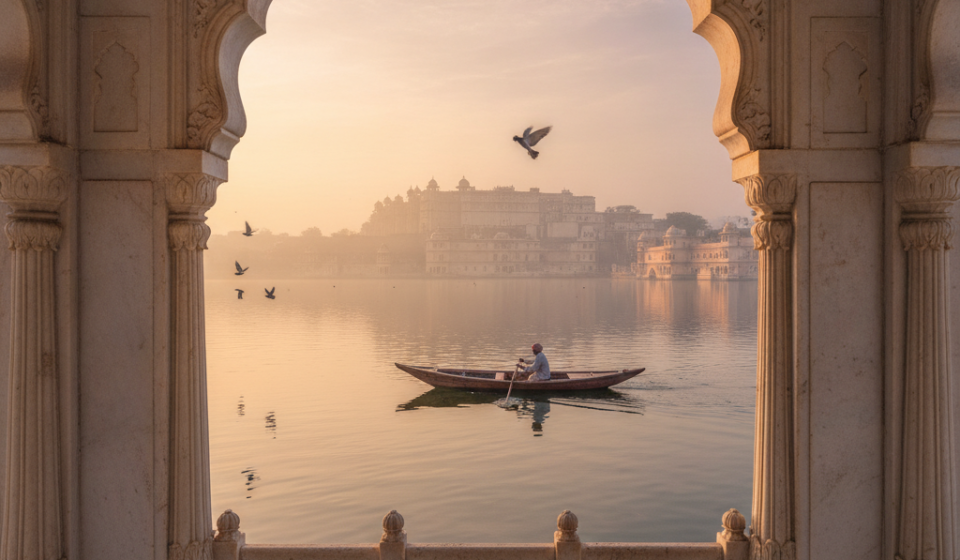
However, monsoon travel also carries risks, such as localized flooding, flight delays, and muddy roads. For those who enjoy off-season travel, fewer crowds, and lower prices, the monsoon can be an excellent time to visit regions like Udaipur (the city of lakes) or the high-altitude desert of Ladakh, which remains largely dry as it lies in the rain shadow of the Himalayas. Travelers should remain flexible during this period, as transport schedules can change rapidly depending on the weather conditions.
The Summer Season: April to June
If you plan holiday in india during the summer months of April to June, the high-altitude hill stations are your best option. Temperatures in the central plains and southern regions can climb above 40°C during this time, making outdoor sightseeing during the day highly uncomfortable.
To escape the heat, travelers head to the picturesque hill stations of Himachal Pradesh, Uttarakhand, and Kashmir. These regions offer refreshing mountain air, spectacular views of the snow-capped Himalayas, and opportunities for adventure sports like paragliding and white-water rafting. Summer is also an excellent time for wildlife enthusiasts to visit national parks like Ranthambore or Jim Corbett, as the dry vegetation makes it easier to spot tigers and other wildlife near drying watering holes. It is important to book hill station accommodations early during these months, as local families also travel to these regions to escape the heat of the plains.
Selecting the Perfect Destinations in India
To plan holiday in india that incorporates diverse highlights, matching destinations to seasonal realities is crucial. The subcontinent offers a bewildering array of choices, and selecting the right combination can feel overwhelming for first-time visitors. The key is to focus on a logical circuit that minimizes transit times and maximizes your time on the ground.
Rather than attempting to see everything, experienced travelers focus on one or two distinct regions. This allows for a deeper connection with the local environment and prevents travel fatigue. Whether you choose the historical heritage of the north, the serene backwaters of the south, or the dramatic mountain landscapes of the far north, each region offers a unique perspective on India’s rich cultural fabric. Let us look at some of the most popular circuits to help you narrow down your choices.
The Classic Golden Triangle
First-time visitors who plan holiday in india often choose Delhi, Agra, and Jaipur due to the excellent rail connectivity. Known as the Golden Triangle, this classic tourist circuit offers an extraordinary introduction to the country’s rich history, architectural marvels, and vibrant cultures.
Starting in Delhi, visitors can explore the contrast between the narrow lanes of Old Delhi and the grand, tree-lined avenues of New Delhi. A short train journey or drive leads to Agra, home to the iconic Taj Mahal, a monument of exquisite beauty and historical significance. The final leg of the triangle is Jaipur, the “Pink City” of Rajasthan, famous for its magnificent hilltop forts, ornate palaces, and bustling bazaars. This circuit can be comfortably completed in five to seven days, making it an excellent option for those with limited time. But still, adding a few extra days allows for an extension to Udaipur or the bird sanctuary of Bharatpur.
The Serene South: Kerala and Goa
For travelers who plan holiday in india seeking relaxation, the southern states offer a slower, more tropical pace. Kerala, often referred to as “God’s Own Country,” is famous for its tranquil backwaters, lush tea plantations, and heritage spice markets.
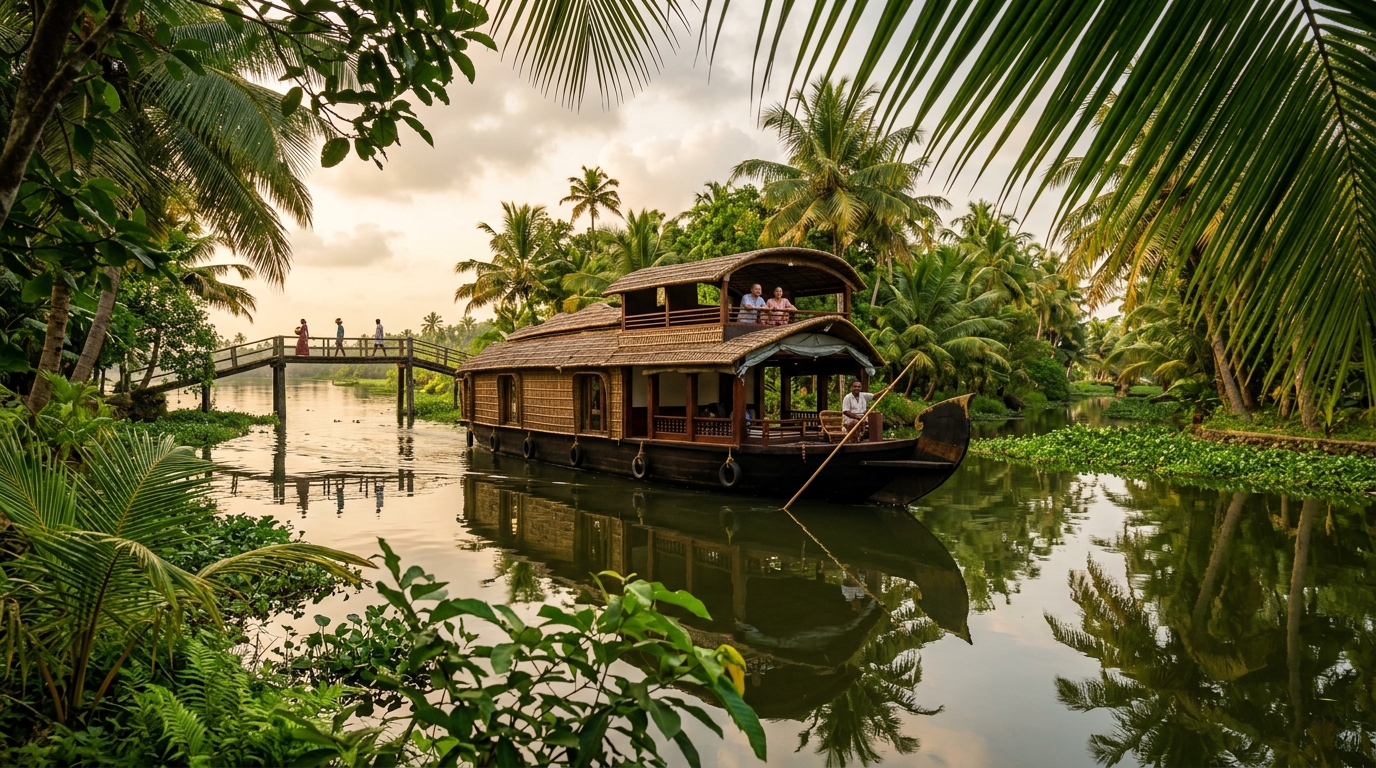
A highlight of any trip to Kerala is spending a night on a traditional houseboat (locally known as a kettuvallam) as it glides through the peaceful canals of Alappuzha. Further north along the western coast lies Goa, renowned for its golden sand beaches, colonial Portuguese architecture, and vibrant culinary scene. This combination of tranquil nature in Kerala and coastal leisure in Goa provides a perfect antidote to the high-energy cities of the north. For a deeply relaxing vacation, consider browsing specialized Kerala Tour Packages or checking out our coastal Goa Tour Packages. These regions are highly popular for couples and families alike, offering a distinct cultural experience compared to the northern states.
The Majestic Himalayas: Ladakh and Kashmir
When adventure enthusiasts plan holiday in india, they generally head toward the rugged terrains of Ladakh or the valleys of Kashmir. These high-altitude regions offer some of the most dramatic and awe-inspiring landscapes on earth, completely different from the tropical south or the arid deserts of Rajasthan.
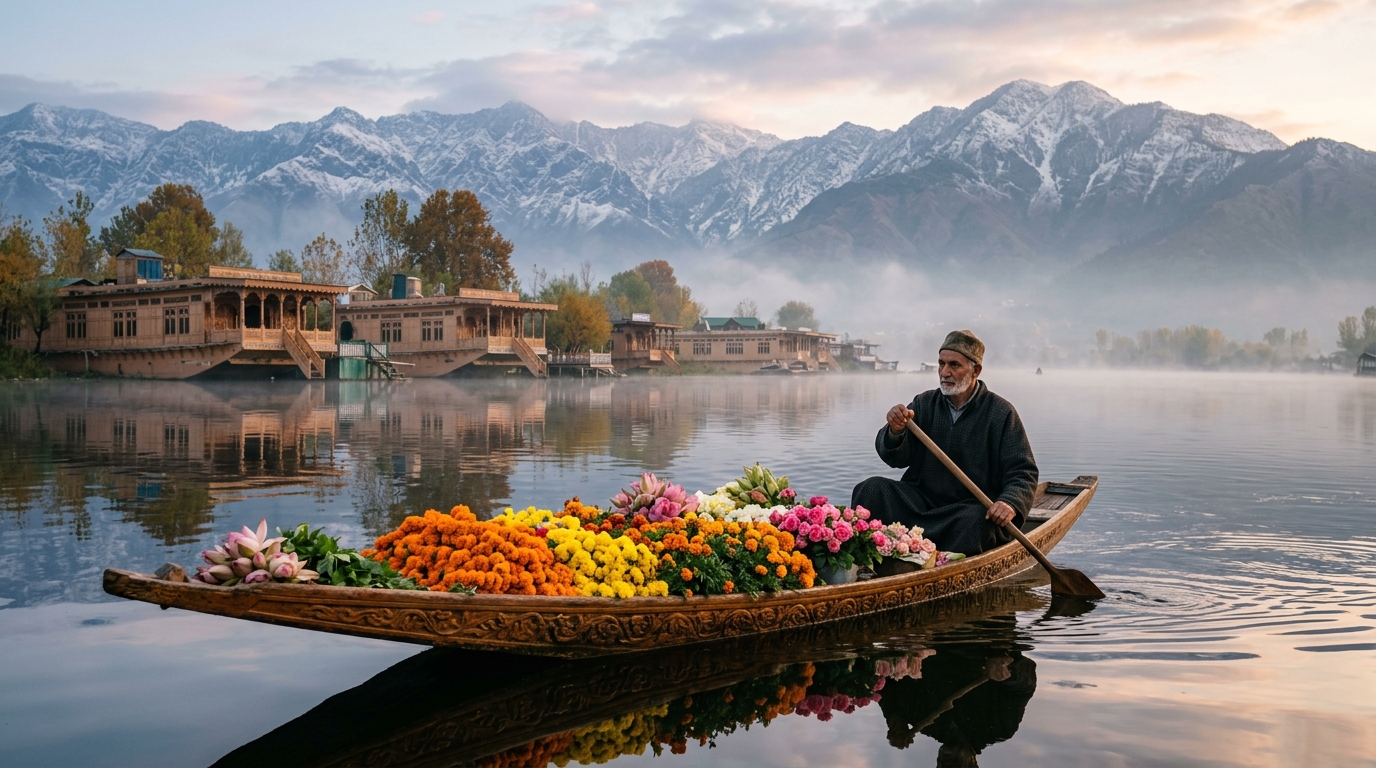
Ladakh, often called “Little Tibet,” is a high-altitude desert characterized by stark, barren mountains, ancient Buddhist monasteries, and crystal-clear lakes like Pangong Tso. It is a haven for trekkers, mountaineers, and road-trip enthusiasts. In contrast, Kashmir offers lush, green alpine valleys, pristine pine forests, and the peaceful waters of Dal Lake in Srinagar, where travelers can stay in intricately carved heritage houseboats. These northern destinations are best visited during the summer months when the mountain passes are clear of snow. Explore our dedicated Kashmir Tour Packages or the rugged routes of Leh-Ladakh Tour Packages to see these regions in detail.
Practical Logistics: Flights, Visas, and Local Transport
As you plan holiday in india, coordinating flights, visas, and local transport requires meticulous attention to detail. Seamless logistics are the foundation of a successful trip, ensuring that you transition smoothly between destinations without unnecessary delays or stress.
Securing the Indian Tourist Visa
To plan holiday in india legally, obtaining an e-visa is the first step. The Indian Bureau of Immigration processes the online application within roughly 72 hours for most nationalities. Many who plan holiday in india utilize professional visa services to avoid application errors that could lead to delays or rejection. It is essential to print a copy of the approved Electronic Travel Authorization (ETA) and keep it with your passport during your journey, as local immigration authorities will require it upon arrival. Learn more about the requirements on our Travel Visa Services page.
- Submit the online e-visa application.
- Upload your passport copy and photo.
- Pay the processing fee.
- Print the approved Electronic Travel Authorization.
| Tourist e-Visa Type | Validity Period | Number of Entries | Ideal Travelers |
|---|---|---|---|
| 30-Day e-Tourist Visa | 30 Days from date of arrival | Double Entries (Non-extendable) | Short-term travelers and weekend explorers |
| 1-Year e-Tourist Visa | 365 Days from date of ETA grant | Multiple Entries | Frequent business-leisure travelers and cultural explorers |
| 5-Year e-Tourist Visa | 5 Years from date of ETA grant | Multiple Entries | Long-term vacationers and return visitors |
Choosing the Right Domestic Transportation
When you plan holiday in india, using the vast railway network offers an efficient mode of transit. Express trains like Shatabdi provide comfortable travel between cities. For rapid travel, domestic flights connect major hubs, while private drivers offer excellent flexibility for local sightseeing.
Those who plan holiday in india with limited time often rely on domestic flights to connect major hubs quickly. Low-cost carriers offer frequent and affordable flights between major cities. For local sightseeing and short-distance intercity travel, hiring a private car with a professional, English-speaking driver is highly recommended. This option offers maximum flexibility, allowing you to stop at interesting roadside attractions along the way.
Health, Safety, and Cultural Etiquette
To plan holiday in india safely, prioritizing personal health and understanding local customs is essential. Simple precautions ensure a safe and respectful journey. India is an exceptionally welcoming country, but its sheer sensory intensity and distinct cultural practices require a degree of preparation and adaptability.
Staying Healthy: Food and Water Guidelines
When culinary enthusiasts plan holiday in india, drinking only bottled water prevents stomach issues. Always carry hand sanitizer and consume hot, freshly prepared meals at busy establishments. The infamous “Delhi Belly” is a common concern for international visitors, but it is largely preventable with proper food hygiene practices.
As you plan holiday in india, keeping a small medical kit with rehydration salts and basic prescriptions is highly recommended. Always choose bottled mineral water from reputable brands, and ensure the seal is intact before drinking. Avoid tap water, ice cubes in drinks, and raw salads or unpeeled fruits that may have been washed in tap water. Stick to hot, freshly prepared foods, and eat at busy restaurants with a high turnover of local customers, which is a reliable indicator of fresh, high-quality ingredients.
- Drink only bottled mineral water from trusted, sealed brands.
- Avoid ice in drinks, street-side raw juices, and unpeeled fruits.
- Eat freshly prepared, piping-hot food at busy local establishments.
- Carry hand sanitizer and use it frequently before meals.
- Keep a basic travel medical kit containing rehydration salts.
Respecting Cultural Norms and Traditions
To plan holiday in india with cultural sensitivity, travelers should dress modestly, covering shoulders and knees. Always remove shoes before entering religious sites, and greet locals with a respectful “Namaste.” India is a deeply traditional society, and showing respect for local customs fosters warm, genuine interactions with the people you meet.
When foreign visitors plan holiday in india, showing respect at religious sites fosters incredibly warm interactions with locals. Always remove your shoes before entering temples, mosques, and gurdwaras. Dress modestly by covering your shoulders and knees; carrying a lightweight scarf is highly useful for covering your head when required. Additionally, use your right hand for greeting people, eating food, and handing over objects, as the left hand is traditionally considered unclean. A warm “Namaste” accompanied by a slight bow is widely appreciated as a respectful greeting across the country.
Why Booking with a Travel Expert Ensures Success
The ultimate way to plan holiday in india without stress is to partner with local destination specialists. Given the complexity of coordinating domestic flights, securing train tickets, finding reliable drivers, and selecting high-quality accommodations, having a professional team on your side is invaluable. When you plan holiday in india through a reliable agency, you gain access to vetted drivers and handpicked accommodations. Travel experts understand the local nuances, transit times, and hidden gems that are often overlooked by online travel guides. They provide a seamless experience, allowing you to focus on enjoying the rich culture and stunning landscapes of India without worrying about the logistics.
Ultimately, to plan holiday in india successfully means striking a balance between structured scheduling and spontaneous discovery. By combining your personal travel vision with the expertise of a professional agency, you can design a flawless itinerary that exceeds your expectations. Explore our comprehensive Domestic Tour Packages to start your journey today.