
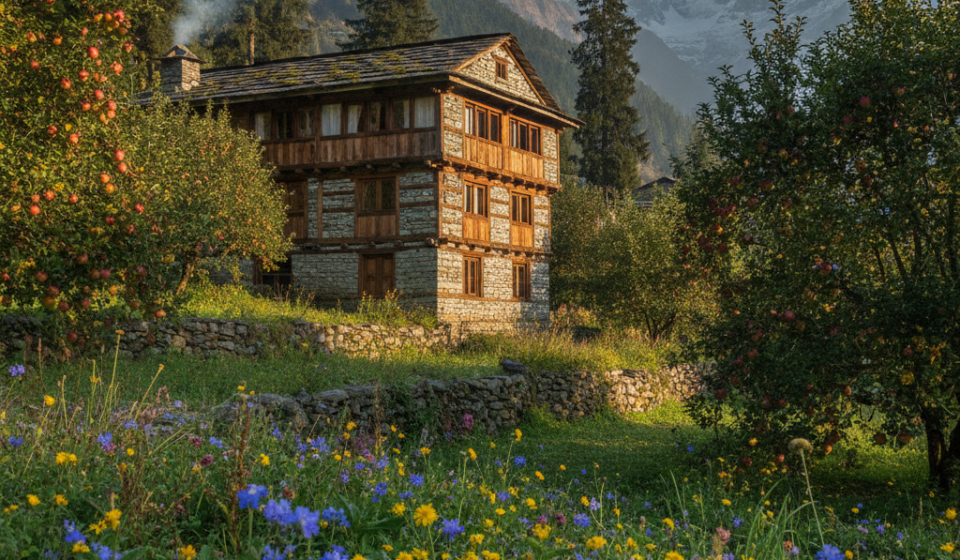

High-altitude travel has undergone a fundamental shift over the last decade. Travelers no longer prioritize isolated luxury resorts that shield them from the raw elements of the mountains. Instead, the focus has moved toward deep immersion, cultural exchange, and sustainable footprints. This shift has placed himalayan homestays at the very center of mountain tourism in India. By choosing to stay in a family-run mountain home, travelers gain unprecedented access to ancient traditions, local culinary secrets, and architectural wonders that standard hotels simply cannot replicate. It is a slow, respectful form of travel that benefits both the host communities and those seeking an authentic Himalayan experience. Choosing this path means stepping away from commercial crowds and embracing the quiet rhythms of highland life.
Key Takeaways
- Deep Cultural Immersion: Staying in a local home grants direct access to ancient traditions, ancestral customs, and authentic culinary secrets of the Himalayas.
- Support for Local Economies: Choosing homestays keeps tourism revenue within host communities, supporting local farmers, guides, and artisans directly.
- Eco-Friendly Footprints: Family-run mountain properties rely on existing structures and local produce, making them highly sustainable compared to large commercial resorts.
- Regional Diversity: Experience different architectural wonders, from Ladakhi mud-brick homes to Himachali Kathguni wood houses and Uttarakhand stone cottages.
- Practical Adjustments: Embrace simpler living, with occasional shared facilities, eco-friendly resources, and beautiful hikes to off-beat villages.
The Rise of Homestay Culture in the Indian Himalayas
The rapid expansion of himalayan homestays reflects a clear desire for deeper connections with the places we visit. For decades, conventional tourism dominated the major hill stations of India, leading to overcrowding and ecological strain. But still, the search for true tranquility has led conscious travelers to look beyond standard commercial accommodations. The modern traveler seeks an authentic dialogue with the mountains, which has paved the way for village-centric hospitality. Its basically a decentralized model of tourism where local families open their doors to outsiders. This approach allows travelers to experience the daily lives of mountain dwellers while supporting rural economies. Data published by the Ministry of Tourism in 2024 shows that rural homestay bookings in Indian mountain states grew by roughly 12% annually, indicating a massive shift in traveler preferences. This growth has helped revitalize remote villages while preserving ancestral traditions.
Connecting with Local Heritage
Engaging with local hosts through himalayan homestays allows travelers to understand ancestral customs that define the different mountain valleys. Each valley in the Indian Himalayas possesses its own unique dialect, folklore, attire, and agricultural practices. Standard resorts often insulate guests from these cultural nuances. In contrast, staying in a local home places guests directly at the family hearth. This interaction fosters an organic exchange of stories, traditional songs, and historical accounts that are rarely found in guidebooks. Furthermore, the architecture of these homes is a physical manifestation of heritage. Many of these dwellings are several decades old, constructed using materials sourced directly from the surrounding forests and quarries. Staying in these spaces provides a living lesson in how indigenous communities have adapted to challenging high-altitude climates.
Sustainable Tourism and Community Support
Economically speaking, himalayan homestays redirect tourism revenue directly into the hands of local communities. Choosing this path offers significant benefits over traditional lodging:
- Direct Economic Support: In conventional tourism, spend often leaks out to external corporate hotel chains. Booking local accommodation ensures the financial benefits remain within the immediate ecosystem, supporting local farmers, mountain guides, artisans, and transport providers.
- Minimal Environmental Footprint: Family-run properties utilize existing housing structures, rely on local seasonal produce, and consume far less water and electricity than large-scale commercial resorts.
- Preserving Fragile Ecologies: This sustainable approach is arguably the most effective way to protect highly fragile mountain ecologies from the negative impacts of mass tourism, actively preserving pristine natural beauty.
Top Regions for Experiencing Himalayan Homestays
Finding the right fit among himalayan homestays depends greatly on the specific region you wish to explore. The Indian Himalayas stretch across thousands of kilometers, offering diverse climates, cultures, and geographical terrains. From the high-altitude cold deserts of the north to the lush, mist-shrouded green hills of the east, each territory offers a distinct hospitality style. Understanding these regional variations is essential for planning an itinerary that aligns with your travel goals. Some regions specialize in rugged, remote living with minimal amenities, while others offer comfortable heritage cottages surrounded by fruit orchards.
Ladakh: Stone Houses and Cold Desert Hospitality
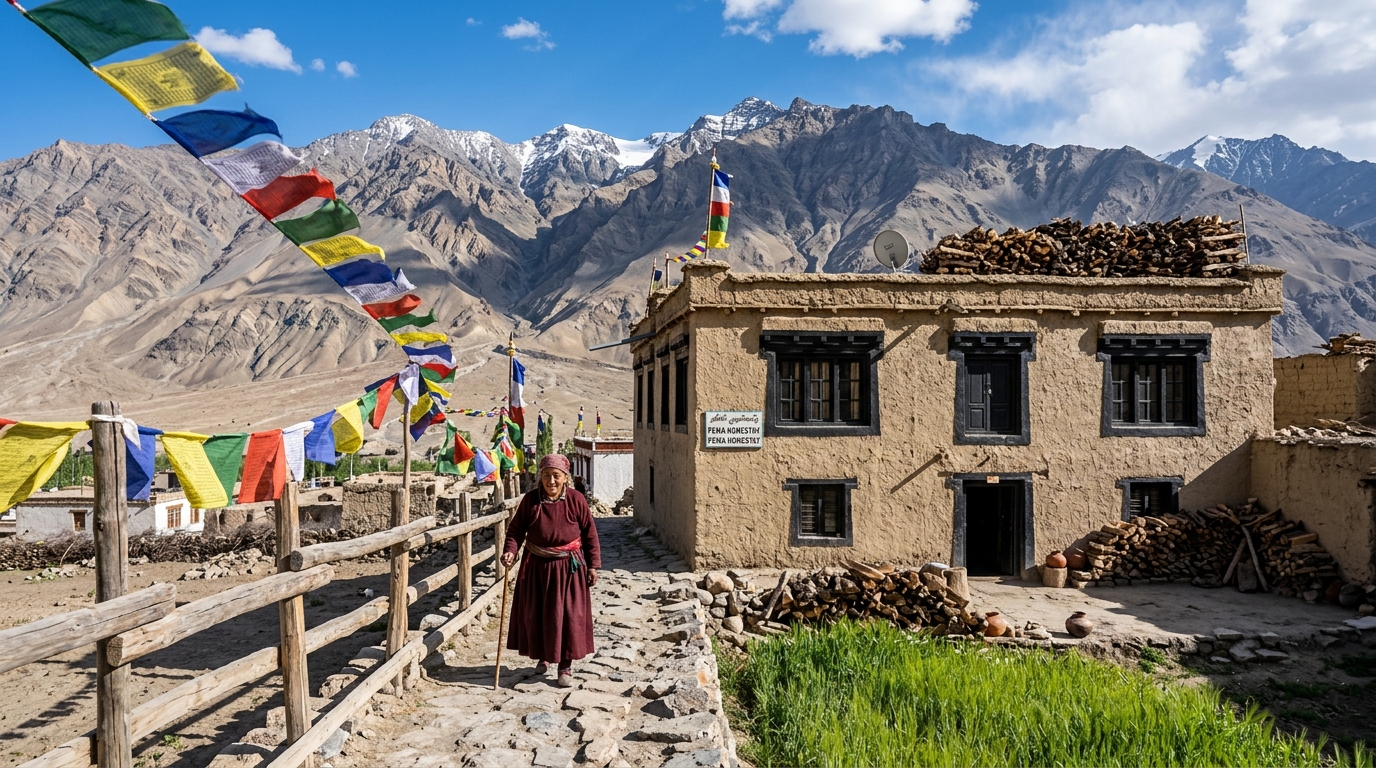
In Ladakh, choosing traditional himalayan homestays provides an insider look into ancient survival strategies in one of the harshest environments on earth. The high-altitude desert requires unique architectural and domestic solutions. These himalayan homestays in Ladakh are often built with thick mud-brick walls that naturally regulate indoor temperatures. The houses feature flat roofs used for drying apricots and fodder, and traditional dry toilets designed to conserve precious water resources. Staying with a Ladakhi family in villages like Phyang, Hemis, or the remote Nubra Valley reveals the community’s deep-rooted Buddhist values and cooperative agricultural systems. Guests typically gather around the central kitchen stove, known locally as a Bukhari, which serves as the warm heart of the home during chilly evenings. This communal setting is perfect for sipping salted butter tea and listening to stories of snow leopards and ancient trade routes. For travelers planning an adventure to this high-altitude desert, booking specialized Leh Ladakh tour packages that integrate these village-based lodgings offers an unparalleled, authentic experience.
Himachal Pradesh: Wooden Kathuni Architecture and Orchard Stays
Himachal Pradesh offers several himalayan homestays that showcase the state’s incredible woodcraft heritage and agricultural wealth. In valleys like Kullu, Tirthan, and Kinnaur, traditional homes are constructed using Kathguni architecture (a brilliant earthquake-resistant building style). This technique involves interlocking thick wooden beams with dry stone masonry without using any cement or mortar. Staying in a Kathguni home feels like stepping back in time, surrounded by the warm aroma of deodar wood and slate roofs. Many of these himalayan homestays in Himachal are located within expansive apple, cherry, or plum orchards. Staying at these properties lets travelers experience the daily routine of apple picking, farm maintenance, and honey harvesting depending on the season. For those seeking to explore this green, river-carved province, choosing authentic Manali travel options that feature local home stays provides a refreshing alternative to crowded tourist corridors. It offers a peaceful sanctuary where you can hear the sound of the river from your window.
Uttarakhand: Kumaoni Culture and Stone Cottages
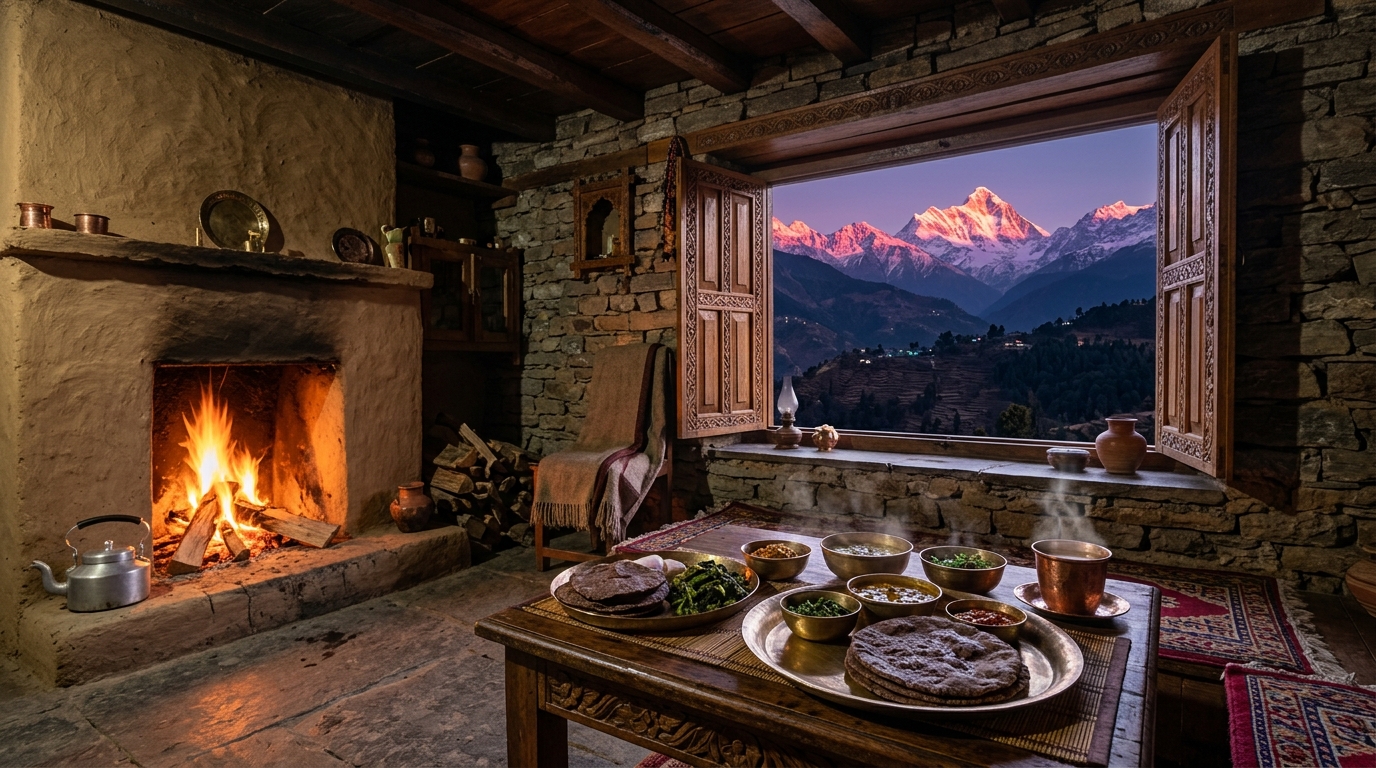
In Uttarakhand, historic himalayan homestays are slowly being restored to prevent outward migration and preserve the state’s rich culture. The Kumaon and Garhwal regions are famous for their traditional stone cottages, characterized by beautifully carved wooden doors and window frames known as Likhai art. Many travelers choose these himalayan homestays in villages like Sarmoli, Munsiari, or Peora to enjoy panoramic views of the Trishul and Nanda Devi peaks. The Sarmoli village homestay initiative, run entirely by a local women’s cooperative, is a stellar example of community-led conservation and empowerment. Here, guests can participate in farming, forest restoration projects, and bird-watching walks led by expert local guides. The hospitality in Uttarakhand is warm and deeply personal, often centered around simple Kumaoni meals served on brass plates. Staying here offers an intimate look at the resilient lifestyle of the hill communities, who maintain a harmonious relationship with their rugged natural surroundings.
Sikkim and Darjeeling: Tea Gardens and Buddhist Traditions
East India features unique himalayan homestays nestled deep within lush tea estates, cardamom forests, and misty mountain slopes. Booking himalayan homestays in Sikkim and the Darjeeling hills offers a unique glimpse into warm Bhutia, Lepcha, and Nepali hospitality. In villages like Kewzing, Pastanga, or Takdah, guests are welcomed into traditional wooden houses surrounded by organic vegetable gardens and orchid nurseries. The local lifestyle in this region is deeply influenced by Tibetan Buddhist traditions, with prayer flags fluttering gently in the mountain breeze. Hosts often arrange visits to nearby ancient monasteries, short hikes through cardamom plantations, and traditional cooking workshops. For those planning a journey to this serene eastern domain, reserving tailored Sikkim and Darjeeling holiday packages that incorporate community-based homestays ensures a deeply memorable and culturally rich vacation. It represents the perfect blend of slow-paced country life and breathtaking vistas of the majestic Kanchenjunga range.
Crucial Factors to Consider When Booking Himalayan Homestays
Certain operational aspects of himalayan homestays differ significantly from conventional hotel bookings, and understanding these differences is key to a successful trip. When planning your stay, keep the following critical factors in mind:
- Expectation Alignment on Amenities: These are genuine family homes, not luxury boutique resorts. While they offer clean, comfortable bedding and hygienic spaces, they may not feature flat-screen televisions, continuous high-speed internet, or corporate room service.
- Ecological Preservation over Luxury: Reputable himalayan homestays prioritize sustainability, meaning you might encounter shared bathrooms, limited hot water hours, or bucket-heating systems. Power outages are also relatively common in high-altitude mountain villages, making power banks and flashlights essential items to pack.
- Physical Accessibility: Many authentic village stays are not directly reachable by motorable roads, requiring a short hike of 10 to 30 minutes through forest trails or stone steps. It is vital to communicate openly with your hosts beforehand regarding physical fitness requirements.
A Comparative Overview of Premier Himalayan Homestay Destinations
To choose the perfect mountain retreat, comparing different himalayan homestays across regional boundaries can help clarify your expectations and travel plans. The diverse geography of the Indian Himalayas means that a stay in the cold desert of Ladakh will feel entirely different from a stay in the lush green valleys of Himachal or the misty hills of Sikkim. The table below outlines key features of regional himalayan homestays across the country, helping you select the destination that best matches your personal travel preferences.
| Region | Architectural Style | Primary Local Cuisine | Best Travel Season | Core Highlight |
|---|---|---|---|---|
| Ladakh | Mud-brick and stone houses with flat roofs | Skyu, Thukpa, butter tea, and fresh apricots | June to September (summer season) | High-altitude cold desert views and Buddhist monastic heritage |
| Himachal Pradesh | Kathguni interlocking wood and stone structures | Siddu, Madra, and fresh mountain river trout | March to June, and September to November | Living within active apple orchards and dense deodar forests |
| Uttarakhand | Slate-roofed stone cottages with carved Likhai wooden doors | Mandua rotis, Gehat dal, and local leafy greens | October to May (avoiding peak monsoon months) | Panoramic views of the Nanda Devi range and women-led eco-tourism |
| Sikkim & Darjeeling | Bamboo and wooden stilt cottages in organic farmlands | Gundruk, Momo, Thukpa, and organic cardamom dishes | March to May, and October to December | Tea estate walks and majestic views of the Kanchenjunga range |
Experiencing the Daily Rhythms of Mountain Life
Immersive activities are the cornerstone of any stay at himalayan homestays, turning a standard holiday into a transformative journey. Rather than spending your days checking off crowded sightseeing points, life in a village homestay encourages you to slow down and observe. Many himalayan homestays encourage guests to participate in daily household chores, providing a hands-on understanding of mountain living. You can wake up to the sound of birds and step outside to watch the morning mist rise off the valley floor. Your day might involve helping the family gather firewood, weeding the vegetable garden, or learning how to milk cows. These quiet, simple moments of shared labor often lead to the most profound connections and cherished memories.
Culinary Journeys: Farm-to-Table Traditional Meals
Culinary experiences at himalayan homestays offer a sensory masterclass in slow food and organic nutrition. Mountain cuisine is deeply tied to the land, utilizing hardy grains, local herbs, and seasonal vegetables grown directly in the backyard. Guests at himalayan homestays often enjoy home-brewed herbal teas, freshly churned butter, and warm flatbreads made from finger millet or buckwheat. Because these dishes are prepared using traditional wood-fired stoves or clay ovens, they possess a distinct, rustic smoky flavor that cannot be replicated in modern commercial kitchens. Your hosts will happily share their recipes, demonstrating how they preserve wild greens, make handmade cheese, or use local spices to create comforting, wholesome stews. Dining together around the low family table fosters a warm sense of belonging, transforming every meal into a celebration of local culture.
Uncovering Local Lore and Guided Trails
Guided excursions organized by himalayan homestays provide unparalleled safety, local insight, and access to hidden natural wonders. Your hosts at these himalayan homestays can point out hidden trails that do not appear on any modern digital map or online travel forum. Whether it is a gentle walk to a sacred forest grove, a trek to a hidden waterfall, or a visit to an ancient village temple, having a local guide changes your perspective entirely. Along the way, they will share fascinating stories of mountain deities, local legends, and ancestral traditions that have been passed down through oral history. They can also identify local wild herbs, spot rare high-altitude birds, and explain the traditional conservation practices that keep these fragile mountain ecosystems healthy and thriving.
Essential Packing and Preparation Guidelines
Preparing for a stay in rural himalayan homestays requires a mindful approach and a few practical packing adjustments. Because these accommodations are located in remote villages, you cannot rely on quick visits to convenience stores or immediate medical facilities. Remember that village himalayan homestays operate on limited resource pools, so packing light and carrying your own essential supplies is highly appreciated. Respecting the cultural norms at your chosen himalayan homestays ensures a harmonious experience and fosters mutual respect between guests and hosts. To help you prepare effectively for your upcoming journey into the mountains, we have compiled a practical checklist of items to pack.
- Appropriate Clothing
- Layered garments including thermals, fleece jackets, and windproof outer layers
- Sturdy, broken-in walking shoes or trekking boots with good grip
- Modest clothing that respects local cultural sensitivities (covering shoulders and knees)
- Personal Care and Hygiene
- Biodegradable toiletries and eco-friendly soaps to protect local water sources
- High-SPF sunscreen, lip balm with UV protection, and moisturizing creams
- A quick-drying travel towel and reusable personal hygiene products
- Health and Wellness
- A basic personal first-aid kit containing altitude sickness medication, pain relievers, and band-aids
- Prescribed personal medications in sufficient quantities for the entire duration of your stay
- Electronics and Power
- A high-capacity power bank to keep your devices charged during occasional power cuts
- A reliable LED flashlight or headlamp with extra batteries for walking at night
- Offline maps and downloaded travel documents, as mobile network connectivity can be highly erratic
Conclusion
Ultimately, choosing himalayan homestays is more than just booking accommodation; it is a conscious decision to travel with respect, curiosity, and a desire for genuine human connection. By stepping away from standard commercial resorts, you open yourself up to the warmth of mountain hospitality and the rich cultural heritage of the highlands. These authentic himalayan homestays bridge the gap between simple shelter and deep human connection, ensuring your journey leaves a positive, lasting footprint on the local community. Whether you are sipping hot butter tea in a Ladakhi stone cottage or walking through apple orchards in Himachal, the memories you make in these local homes will stay with you long after you return to the plains.