
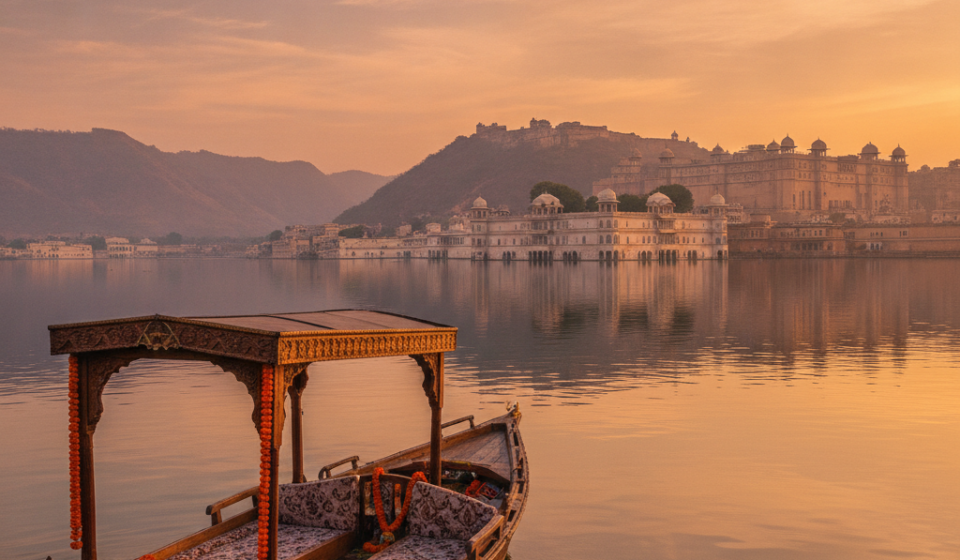
Advanced Travel Itinerary Planning: Master Techniques & Digital Tools for Your India Trip

Planning a comprehensive journey across India often feels like attempting to map a dozen distinct sovereign nations simultaneously. The sheer geographic scale of the country, coupled with profound cultural, linguistic, and logistical contrasts, renders standard travel planning templates completely obsolete. Seasoned travel professionals understand that the fundamental challenge is not merely choosing destination coordinates, but rather mastering how to make a travel itinerary that remains resilient amidst operational variables. A robust travel program must account for regional transit variations, microclimatic shifts, and complex local administrative frameworks. (It is basically a balancing act between ambition and logistical reality). This guide details the precise methodologies and digital tools required to construct a highly efficient travel plan for the Indian subcontinent.
Key Takeaways
- Cluster over Cross-Country: Focus on compact geographical clusters (e.g., Rajasthan or Kerala) to minimize exhausting travel times.
- Factor in Buffer Zones: Budget for transit speeds below 40 km/h in rural areas and incorporate half-day transition buffers.
- Pre-Book Critical Rail: Secure high-demand First Class AC or Two-Tier AC train berths via IRCTC weeks in advance.
- Optimize with Travel Tech: Pair collaborative mapping tools like Google My Maps with automated reservation parsers like Wanderlog.
- Apply the 5:1 Rest Ratio: Dedicate one complete transition or rest day for every five days of high-intensity sightseeing to avoid sensory burnout.
Understanding the Foundations of India Travel Itineraries
The Unique Complexity of the Indian Subcontinent
India spans a vast territory containing twenty-eight states and eight union territories, each presenting distinct administrative, cultural, and geographic characteristics. Travelers frequently underestimate transit times between major municipal hubs, assuming proximity on a flat map translates to brief travel durations. (This is a common error that leads to severe itinerary collapse). Indeed, India’s terrain ranges from the high-altitude deserts of the northern Himalayas to the tropical backwaters of the southern peninsula. A deep geographical understanding of these regional variations dictates how to make a travel itinerary that avoids critical logistical failures. To plan effectively, keep these local complexities in mind:
- Microclimate Disparities: Weather patterns can vary dramatically; a travel group might experience heavy monsoonal rain in the south while far northern mountain routes are blocked by snow.
- Transit Rate Variables: Average travel speed by road in rural sectors can drop below forty kilometers per hour due to local traffic patterns and infrastructure.
- Autonomous State Identity: Mastering how to make a travel itinerary for this region requires moving past simplified geographic models and adopting a rigorous, region-by-region planning approach that treats each state as a unique destination.
Defining Your Core Travel Objectives and Constraints
Before booking any flights or reserving accommodations, establishing specific objectives is the premier step in learning how to make a travel itinerary with clear structural boundaries. One must decide whether the journey focuses on heritage architecture, wellness retreats, wildlife conservation, or high-altitude trekking. (Trying to combine all these facets into a brief ten-day visit is a recipe for physical exhaustion). This step remains the bedrock of how to make a travel itinerary that aligns with personal capacity and physical limits for any FIT (Free Independent Traveler, referring to individuals who plan their own custom journeys).
To build a resilient strategy, planners must identify rigid constraints early in the design process:
- Hard Departure Dates: Restricts the total geographical reach and potential depth of the trip.
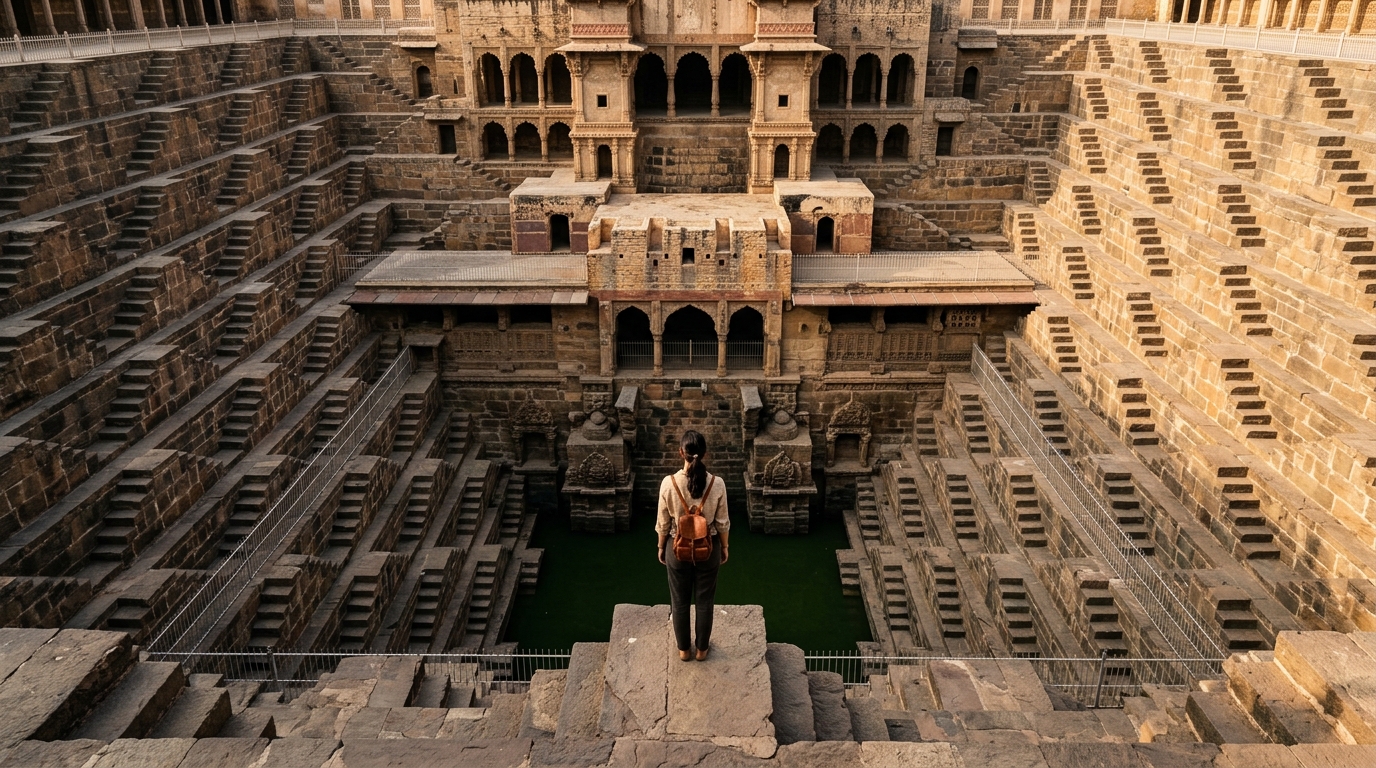
- Mobility Limitations: Affects destination accessibility, especially when navigating historic stepwells and rugged temple terrains.
- Physical Capacity: Determines the pacing and daily activity density, keeping schedules realistic and healthy.
But still, even the most rigid schedules must allow for some spontaneous adjustments when unique local opportunities present themselves. This balance of structure and fluidity distinguishes a professional plan from a generic tour, offering travelers both security and authentic cultural experiences without the stress of over-scheduling.
The Step-by-Step Framework for India Travel Planning
How to Make a Travel Itinerary: A Systematic Approach
Drafting a travel program requires a methodical progression from broad conceptual design to minute operational scheduling. This sequence represents the standard professional framework for how to make a travel itinerary. When analyzing how to make a travel itinerary, a planner must first secure anchoring dates, which typically revolve around international flight availability. A structured approach ensures that no critical element is overlooked during the planning phase.
The structural planning process involves several consecutive phases:
- Establish Key Hubs: Define the primary gateway cities for international arrival and departures.
- Select Core Regions: Choose a maximum of three geographically continuous states to minimize travel stress.
- Allocate Time Buffers: Dedicate specific nights to each urban center, factoring in half-day transit losses.
- Secure Crucial Bookings: Pre-book high-demand transport segments, particularly luxury overnight express trains.
- Integrate Local Experiences: Overlay specific architectural sights, local dining reservations, and cultural activities.
Each phase must be executed in order. Thus, learning how to make a travel itinerary is primarily an exercise in sequencing, logical flow, and operational risk management.
Geographical Clustering and Route Optimization
Geographical clustering is a vital technique when determining how to make a travel itinerary that reduces unnecessary transit time. Travelers often make the mistake of pairing distant cities like Udaipur and Varanasi within a short timeframe, resulting in exhausting domestic flights or multi-day train rides. Instead, clustering allows travelers to explore specific regional circuits with much higher efficiency. Applying this geographical logic simplifies how to make a travel itinerary for vast areas. Below is a comparative analysis of primary travel clusters in India:
| Cluster Name | Primary Destinations Included | Recommended Duration (Days) | Primary Transport Mode |
|---|---|---|---|
| Golden Triangle | Delhi, Agra, Jaipur | 5 – 7 | Private Chauffeur / Express Rail |
| Royal Rajasthan | Jaipur, Jodhpur, Udaipur, Jaisalmer | 10 – 14 | Private Chauffeur / Train |
| Kerala Sanctuary | Kochi, Munnar, Alleppey, Kovalam | 7 – 10 | Private Chauffeur |
| Himalayan Heights | Leh, Nubra Valley, Pangong Tso | 8 – 12 | Private 4WD Vehicle |
This clustering strategy ensures that travelers spend more time experiencing destinations rather than traversing highways. By grouping sites that share geographical proximity, planners can maximize immersion and reduce physical travel fatigue. For instance, traveling within the Golden Triangle cluster can be accomplished easily via short train rides, whereas traversing the entire state of Rajasthan requires structured road transfers.
Selecting the Optimal Season and Weather Windows
India experiencing multiple distinct microclimates means that a single calendar month can offer entirely different travel conditions across the country. Analyzing meteorological trends explains how to make a travel itinerary that capitalizes on ideal seasonal conditions. For instance, high-altitude regions like Leh Ladakh are best visited between May and September, while southern beaches are ideal during the cooler dry winter from November to February. A failure to assess weather patterns remains a frequent error when deciding how to make a travel itinerary. Planners must align their physical routes with regional weather realities to avoid monsoon-induced travel disruptions or extreme summer heatwaves. Peak tourism months of December and January offer pleasant temperatures but also feature the highest accommodation rates of the year. Consequently, checking regional forecasts and understanding seasonal shifts is a mandatory step in any professional-grade planning workflow.
Advanced Digital Tools for Modern Itinerary Mapping
Collaborative Mapping and Geographic Information Systems
Utilizing custom spatial maps is a modern standard for how to make a travel itinerary with visual precision. Platforms such as Google My Maps allow planners to plot prospective accommodations, transport hubs, and sightseeing points of interest on a single interface. These digital ecosystems show travelers how to make a travel itinerary that is both interactive and robust. By color-coding markers according to priority or day of visit, a traveler can easily identify geographical anomalies. (For example, choosing a restaurant that is hours away from the day’s main temple visit is an easily avoidable mistake). This spatial awareness prevents unnecessary cross-town travel, optimizing daily travel routes and maximizing time spent inside historical monuments.
Real-Time Sync and Automated Reservation Parsers
Automating reservation management demonstrates how to make a travel itinerary that updates dynamically. Specialized applications like Wanderlog or TripIt parse incoming confirmation emails to build a coherent chronological timeline. Using these platforms simplifies how to make a travel itinerary by centralizing confirmation codes, flight times, and hotel addresses in a single offline-accessible application. These digital tools ensure your PNR (Passenger Name Record, which is the unique code printed on your transport tickets) is instantly searchable when boarding. This eliminates the necessity of carrying thick paper files or searching through cluttered email inboxes during hectic transit days. (Having all travel details synced to a smartphone reduces anxiety and streamlines security checks at airports).
| Digital Tool | Core Functionality | Offline Access | Best For |
|---|---|---|---|
| Google My Maps | Geographical plotting and custom route clustering | Limited (Requires download) | Visualizing daily travel paths |
| Wanderlog | Itinerary building, mapping, and manual daily budgeting | Yes (Pro version) | Collaborative planning and multi-stop mapping |
| TripIt | Automated email reservation parsing and timeline sync | Yes | Consolidating multiple PNR confirmation codes |
Transit Optimization Applications for Rail and Domestic Air
Integrating reliable transit apps is essential when mastering how to make a travel itinerary for complex rail and aviation systems. Modern travelers utilize applications such as Ixigo, ConfirmTkt, or Skyscanner to track real-time seat availability, ticket pricing, and historical delay metrics. Through these digital aids, understanding how to make a travel itinerary with multi-modal transit becomes highly manageable. These applications provide early warnings regarding scheduled changes, enabling proactive adjustments to downstream hotel bookings and local tours. Additionally, local ride-hailing applications like Ola and Uber offer reliable urban transport options in major metropolitan areas, allowing visitors to bypass complex taxi negotiation processes.
Managing Inter-City Logistics and Transport Networks
Navigating the Indian Railways (IRCTC) Ecosystem
Unlocking the complexities of rail travel is central to how to make a travel itinerary that is cost-effective and culturally immersive. The Indian Railways network is one of the largest in the world. As the official Indian Railways passenger traffic records for 2024 indicate, the system handles over twenty million passengers daily, making advanced reservation critical for international visitors. Expert planners emphasize this system when tutoring novices on how to make a travel itinerary. Securing tickets in premium classes (such as First Class AC or Two-Tier AC) requires creating an account on the official Indian Railway Catering and Tourism Corporation (IRCTC) portal weeks in advance. It is important to note that popular routes, like the Shatabdi Express from Delhi to Agra, sell out almost immediately upon release.
Private Chauffeurs, Regional Carriers, and Metro Transit
Balancing aviation with ground transit determines how to make a travel itinerary that minimizes friction. While domestic airlines like IndiGo provide rapid connections between major cities, booking private vehicles with professional chauffeurs remains the most reliable method for regional Rajasthan or Kashmir travel. Evaluating these regional transport options is key to knowing how to make a travel itinerary for remote destinations. Private vehicles offer door-to-door convenience, enabling spontaneous detours to historical stepwells or rural markets that are completely inaccessible by commercial flights or public rail networks. (It is also highly recommended to utilize city metro networks in dense metropolises like Delhi to bypass gridlocked traffic during peak hours).

Balancing Cultural Immersion with Travel Fatigue
The Buffer Day Strategy and Slow Travel Architecture
Integrating periodic rest periods is an advanced principle of how to make a travel itinerary for long-term journeys. India presents an intense sensory environment, combining dense crowds, vibrant colors, and constant acoustic stimulation. This buffer architecture illustrates how to make a travel itinerary that prevents mental exhaustion. For every five days of intense urban sightseeing, professional itinerary designers recommend inserting one transition or rest day. This empty block allows travelers to process cultural experiences, manage laundry, or simply enjoy a quiet afternoon at a heritage boutique hotel. (Slowing down is often when the most memorable encounters occur). By reducing the pace, travelers can transition from being mere observers to active participants in the local culture, creating a much deeper connection with the communities they visit.
Integrating Festivals, Local Experiences, and Heritage Sites
Aligning routes with cultural schedules highlights how to make a travel itinerary that feels organically curated. Major festivals such as Holi, Diwali, or the Pushkar Camel Fair can transform an ordinary vacation into an extraordinary cultural immersion. This intentional alignment is a signature technique of how to make a travel itinerary with deep cultural value. However, these events also trigger significant spikes in local transport costs and hotel occupancy. Planners must secure all bookings at least six months prior to any major national festival to avoid exorbitant pricing. (It is also helpful to consult local calendar apps or regional tourism boards to verify the exact dates of lunar-based religious celebrations). Incorporating these local elements elevates the travel experience, turning a standard sightseeing trip into a meaningful journey.
Practical Blueprint: Sample 14-Day Golden Triangle and Rajasthan Itinerary
Week 1: Heritage, Architecture, and Urban Centers
This blueprint provides a concrete example of how to make a travel itinerary for a standard two-week block. The first week focuses on the classic Golden Triangle, establishing a reliable cultural foundation. Mapping this specific region shows how to make a travel itinerary that maximizes historical exposure. Below is the operational schedule for the initial seven days:
| Day | Destination | Primary Activities | Logistical Transit Notes |
|---|---|---|---|
| Day 1 | New Delhi | Humayun’s Tomb, Qutub Minar, spice market walk | Arrive at Indira Gandhi International Airport (DEL) |
| Day 2 | New Delhi | Red Fort, Raj Ghat, National Museum | Utilize the efficient Delhi Metro system for transit |
| Day 3 | Agra | Taj Mahal at sunset, Agra Fort exploration | Board morning Gatimaan Express train (1 hour 40 mins) |
| Day 4 | Agra to Jaipur | Fatehpur Sikri en route, Abhaneri stepwell | Private chauffeur drive (approx. 5 hours total) |
| Day 5 | Jaipur | Amber Fort, Hawa Mahal, City Palace | Hire local registered guide for historical context |
| Day 6 | Jaipur | Nahargarh Fort, local textile workshops | Explore local bazaars for authentic crafts |
| Day 7 | Jodhpur | Transfer to the Blue City, Mehrangarh Fort | Morning drive or regional rail transfer (5 hours) |
This structured sequence ensures minimal backtracking, allowing travelers to experience the progression of Mughal and Rajput architectural styles. By combining comfortable express trains with private chauffeur drives, travelers bypass the most chaotic sections of the regional road network.
Week 2: Desert Fortresses and Lakeside Retreats
Expanding into western Rajasthan reveals how to make a travel itinerary with varied geographic terrain. After exploring the blue city of Jodhpur, the route pivots southward toward the serene lake-filled valley of Udaipur. Analyzing this second phase helps explain how to make a travel itinerary that flows logically from urban centers to calm lakes. Travelers can marvel at the intricate carvings of the Ranakpur Jain Temple en route to Udaipur, creating a scenic transition. Spending the final three days of the journey in Udaipur offers a relaxed environment to conclude an intense two-week voyage. (This slower pace during the second week ensures that the trip ends on a deeply rejuvenating note). It provides a contrast to the bustling streets of Delhi, highlighting the diverse cultural atmospheres.
Crucial Regulatory and Financial Preparations
Securing Your Tourist Visa and Entry Permits
Securing administrative clearance is the most critical starting point of how to make a travel itinerary. Most international visitors require a valid tourist e-Visa, which should be secured via the official Indian government portal. Keep the following timeline factors in mind:
- Lead Time: According to the Indian Ministry of Tourism statistical guidelines for 2024, travelers should apply for electronic visas at least four days before departure to ensure sufficient processing time.
- Special Access: Certain border regions (e.g., Sikkim, Himachal Pradesh, or Ladakh) require Protected Area Permits (PAP) or Inner Line Permits (ILP) that must be integrated into the logistical timeline.
To secure your administrative requirements easily and avoid delays, visit our comprehensive Indian visa guidance page.
| Visa / Permit Type | Validity Period | Key Requirement | Optimal Processing Time |
|---|---|---|---|
| 30-Day Tourist e-Visa | 30 Days (Double Entry) | Valid passport, digital photograph | Apply 4 – 30 days before travel |
| 1-Year / 5-Year e-Visa | 365 Days / 5 Years (Multiple) | Continuous stay capped at 90/180 days | Apply 15 – 120 days before travel |
| Inner Line Permit (ILP) | Varies by destination (Sikkim/Ladakh) | Local sponsor or registered travel agent | Secure 1 – 2 weeks prior via agency |
Financial Logistics, Currency Exchange, and Digital Payments
Budget management and payment safety are final pillars of how to make a travel itinerary that remains secure. While credit cards are widely accepted in major luxury hotels and high-end retail establishments, cash remains essential for small-scale vendors, street food stalls, and temple donations. Ultimately, addressing financial logistics completes the comprehensive guide on how to make a travel itinerary. Planners should notify their domestic banking institutions of their travel dates to prevent sudden card suspensions, while also carrying a secondary debit card as a backup. Utilizing local ATMs situated inside secure bank lobbies is generally the safest method for cash withdrawal. (It is also wise to maintain a physical record of emergency contact numbers for card issuers). By preparing these financial defenses in advance, travelers protect themselves against unexpected transit issues and enjoy a seamless exploration of India’s historic landscapes.