
Planning a journey across the southern peninsula of India often presents an overwhelming array of choices. From the peaceful backwaters of Kerala to the towering, intricately carved temples of Tamil Nadu, the region functions almost as a distinct cultural entity. Today, the travel context has shifted toward seeking slower, more immersive cultural encounters. Designing a cohesive south india travel plan requires a balanced understanding of geography, local transit, and cultural pacing. It is not merely about ticking off monuments. Instead, a successful journey depends on matching the geographic diversity of the Deccan Plateau with a manageable daily schedule. This guide details a structured approach to mapping out a first-time trip, ensuring a deeply rewarding experience.
Key Takeaways for Your South India Travel Plan
- Ideal Duration: A 14-day itinerary provides the perfect balance between coastal history, highland tea estates, and ancient ruins.
- Optimal Season: Plan your journey between November and February for pleasant, cooler temperatures ideal for sightseeing.
- Pacing Strategy: Focus on a single corridor (southwestern or southeastern) to limit travel times and deepen cultural immersion.
- Core Experiences: Integrate overnight backwater cruises, guided spice tours, and visits to UNESCO World Heritage ruins like Hampi.
Understanding the Geography of South India
To organize an effective south india travel plan, one must first understand the primary regional divisions. The southern portion of India comprises five distinct states, each boasting its own unique language, cuisine, and cultural traditions:
- Kerala: Famous for tranquil coastal backwaters, Ayurvedic wellness, and lush mountain spice gardens.
- Tamil Nadu: Renowned for towering Dravidian temples, rich classical music, and deep heritage sites.
- Karnataka: Known for its dynamic IT hubs, royal palaces in Mysuru, and dramatic archaeological wonders like Hampi.
- Andhra Pradesh: Home to scenic coastlines along the Bay of Bengal and prominent spiritual pilgrimage sites.
- Telangana: Renowned for monumental Islamic-era architecture, historic forts, and rapid technological development.
The Western Ghats mountain range runs parallel to the western coast, creating a wet, humid strip famous for tea estates. In contrast, the eastern side features drier plains dominated by historical dynasties, such as the Cholas, who left behind massive temple complexes. When deciding on places to visit in South India, travelers often choose between the relaxed western coast and the heritage-dense eastern plains. In Karnataka, the coastal stretch of Gokarna offers pristine, secluded beaches that contrast with the crowded sands elsewhere.
Distances are vast. Its basically a sub-continent of its own. A well-considered south india travel plan should prioritize a concentrated loop rather than a cross-country sprint. Focus on either the southwestern corridor (Kerala and western Karnataka) or the southeastern corridor (Tamil Nadu). This practical approach reduces transit hours and allows for deep immersion into local life.
Choosing the Perfect Duration for Your First Visit
Time is the most critical variable when structuring a south india travel plan. While a hasty one-week trip is technically possible, it usually limits visitors to just one city, failing to capture the true regional diversity.
For those planning a comprehensive South India tour, a 14-day duration represents the ideal baseline (though some might argue for three full weeks). A two-week period allows for a balanced mix of urban history, natural reserves, coastal backwaters, and highland tea estates without requiring daily flights.
When drafting a south india travel plan, remember that quality of experiences matters far more than quantity of destinations. If your schedule only permits 10 days, consider narrowing the focus to a single state. For example, a dedicated Kerala circuit covers Kochi, Munnar, and the backwaters beautifully. Alternatively, a trip focusing on Bangalore and Mysore offers a great introduction to Karnataka. Whatever the timeline, an effective south india travel plan must account for realistic transit times.
The Ultimate 14-Day South India Travel Plan
This curated 14-day south india travel plan offers a balanced, classic route. It takes visitors through the coastal history of Kerala, into the cool hills of the Western Ghats, and upward into the royal heritage and ancient ruins of Karnataka. This specific South India itinerary is designed to minimize backtracking while maximizing the variety of cultural views.
By starting on the Malabar Coast and finishing in northern Karnataka, travelers experience a fascinating transition in architecture, language, and geography. Structuring a south india travel plan that flows logically from south to north will prevent unnecessary fatigue and keep the journey highly engaging. Here is the day-by-day breakdown of how to organize this memorable route.
Days 1-3: Cultural Immersion in Kochi and Fort Cochin
A successful south india travel plan begins in Kochi, a historic port city in Kerala where Portuguese, Dutch, and British influences have merged over centuries. Fort Cochin, the historic seaside quarter, is best explored on foot.
- Key Highlights: Wander past the iconic giant Chinese fishing nets at sunset, explore the 16th-century Mattancherry Palace, and visit the historic Paradesi Synagogue.
- Cultural Experience: Spend an evening attending a traditional Kathakali dance performance, famous for its elaborate makeup and dramatic expressions.
- Pacing Tip: Allow the first day for gentle acclimation to handle the intense tropical humidity.
Kochi serves as an excellent soft landing for first-time visitors. The streets of Fort Cochin are relatively quiet compared to major northern metropolises. This is a foundational step in your south india travel plan, setting a relaxed, appreciative tone.
Days 4-5: Serenity in the Backwaters of Alappuzha (Alleppey)
From Kochi, a short two-hour drive south brings you to Alappuzha, the gateway to the famous Kerala backwaters. This is often the most anticipated component of any south india travel plan.
The classic way to experience this watery world is by booking an overnight stay on a traditional Kettuvallam (a thatched houseboat made from wooden planks held together with coir knots). These vessels glide through quiet canals, offering a window into rural life.
- The Houseboat Experience: Overnight bookings operate on an all-inclusive basis, with a dedicated crew preparing traditional Keralite meals right on the boat.
- Alternative Option: Staying at a lakeside heritage resort and taking a private canoe cruise is an excellent, peaceful alternative.
- Logistics Note: Ensure your boat operator practices responsible waste disposal.
Floating along these waters provides a stark contrast to the busy streets of Kochi. This peaceful transition is a vital element of a balanced south india travel plan, offering deep relaxation before you head into the mountains.
Days 6-8: Tea Plantations and Wildlife in Munnar and Thekkady
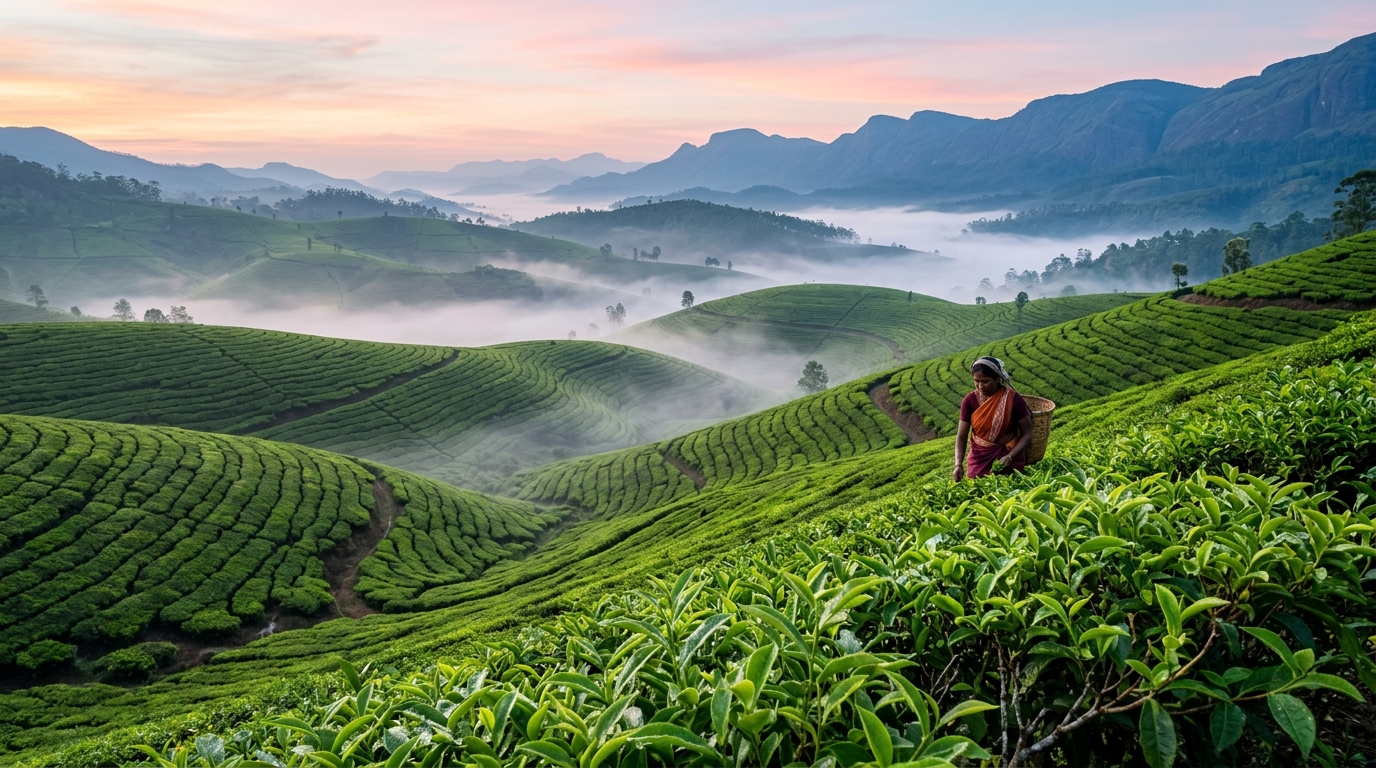
Next, the south india travel plan heads inland and upward into the Western Ghats. The drive to Munnar takes about four hours, climbing through winding roads flanked by emerald-green tea plantations.
At an altitude of roughly 1,600 meters (depending on the exact plantation location), Munnar offers a cool, crisp sanctuary from the coastal heat. Spend your time walking through the manicured tea estates.
- Munnar Exploration: Visit Eravikulam National Park, home to the endangered Nilgiri Tahr (a rare mountain goat).
- Spices of Thekkady: From Munnar, drive south to Thekkady (Periyar), the spice capital of India, for a guided walking tour of a spice garden.
- Periyar Wildlife Sanctuary: Opt for a guided nature walk to spot wild elephants.
The cool mountain air provides a sensory reset. This highland leg of your south india travel plan showcases the incredible ecological diversity of the peninsula.
Days 9-11: Royal Heritage in Mysuru (Mysore)
After experiencing the natural beauty of Kerala, it is time to transition into the grand royal history of Karnataka. A train connection brings you to Mysuru, the historical capital of the Wodeyar dynasty.
Mysuru is a city of palaces and rich artisanal heritage. It has a distinct charm that makes it one of the most rewarding places to visit in South India.
- Mysore Palace: This Indo-Saracenic masterpiece is an incredible sight, especially when illuminated on Sunday evenings.
- Devaraja Market: Walk through this vibrant, century-old bazaar packed with local jasmine flowers and colorful spices.
- Chamundi Hill: Visit the Chamundeshwari Temple for panoramic views of the city below.
Including Mysuru in your south india travel plan ensures you experience the transition from maritime Kerala to the royal courts of the Deccan. This contrast makes the south india travel plan feel complete.
Days 12-14: Ancient Wonders of Hampi
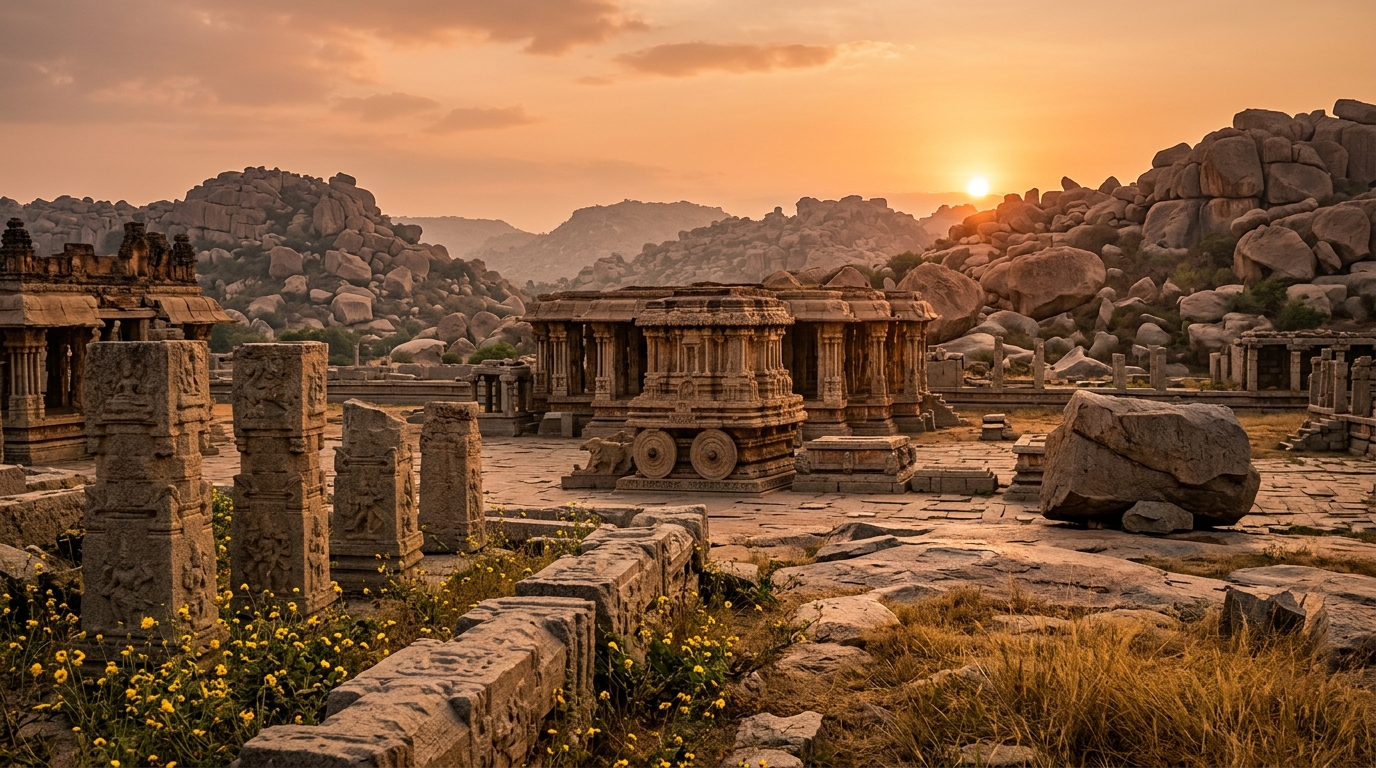
The final destination of this south india travel plan is the UNESCO World Heritage site of Hampi. Located in northern Karnataka, Hampi was the fabulous 14th-century capital of the Vijayanagara Empire.
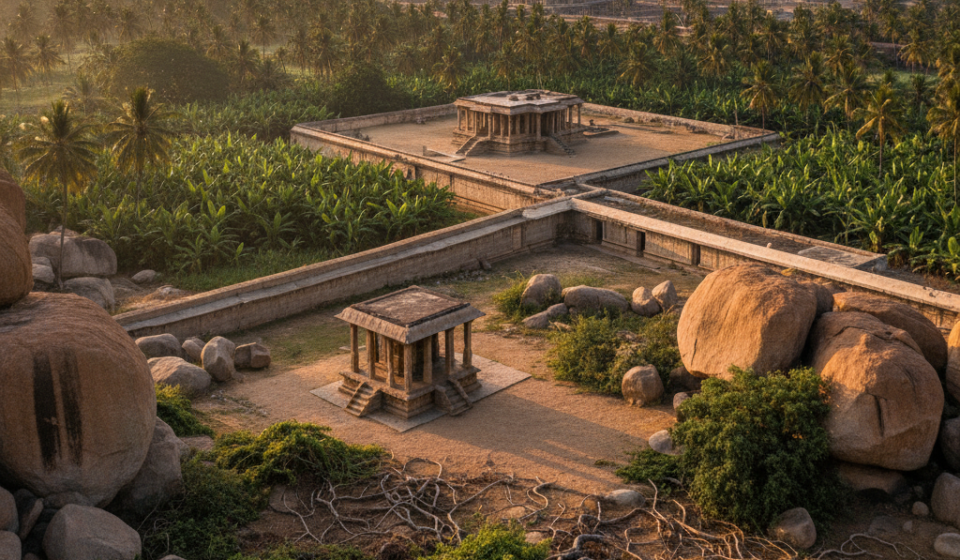
The landscape here is surreal. Giant, weathered boulders are scattered across miles of banana plantations, interspersed with the ruins of grand temples and royal pavilions.
- Virupaksha Temple: Start early at this active pilgrimage site, which has been a center of worship for centuries.
- The Vittala Temple Complex: Famous for its iconic Stone Chariot and musical pillars.
- Coracle Ride: Cross the Tungabhadra River in a traditional circular woven boat (a coracle) to explore the quieter side.
Hampi is massive, covering roughly 4,100 hectares of ruins. This dramatic archaeological site makes for an unforgettable finale to your south india travel plan, leaving you with a profound appreciation for India’s medieval achievements.
Crucial Logistics: Best Time to Visit, Transportation, and Stays
Executing a successful south india travel plan requires careful attention to regional logistics. Because the climate is tropical, timing your visit is essential for comfort.
The absolute best window for this South India tour is from November to February, when temperatures are cooler. According to the Kerala Tourism Department’s recent statistics, the state welcomed over 21 million domestic visitors last year, with the vast majority arriving during this cooler winter window.
For transportation, hiring a private car with a professional driver remains the most convenient option for regional routes. Many travelers opt for a customized FIT (Free Independent Traveler) trip, which allows them to explore at their own pace. For longer distances, utilizing the overnight sleeper trains run by Indian Railways is both a practical time-saver and a classic cultural experience. Critics say the train system is too complex to use. They are not entirely wrong. But still, the overnight train offers an unmatched view of Indian life and remains an essential element as you finalize your south india travel plan. Additionally, utilizing trusted travel platforms like TravelDham can help coordinate these complex transit pieces, ensuring reliable drivers and well-vetted hotel stays.
To help you decide on the best way to navigate your travel itinerary, the table below compares the primary transportation choices available in South India:
| Transit Method | Best For | Pros | Cons |
|---|---|---|---|
| Private AC Car & Driver | Inter-city routes and mountain drives (Munnar/Thekkady) | Complete flexibility, door-to-door transit, local driver insights | Higher daily cost for solo travelers |
| Indian Railways (Train) | Long distances (e.g., Kochi to Mysuru) | Highly economical, classic cultural experience, saves daytime hours | Complex reservation system, requires booking weeks in advance |
| Domestic Flights | Connecting distant hubs (e.g., Bengaluru to Kochi) | Fastest way to cover long-distance transfers | Airport transit time, baggage weight limits, misses countryside views |
Accommodation options in South India are incredibly diverse, catering to all travel styles:
- Heritage Homestays: Ideal in places like Fort Cochin.
- Luxury Eco-Resorts: Perfect for Munnar and Thekkady, nestled directly within tea gardens.
- Houseboats & Jungle Lodges: Unique stays that are destinations in themselves.
Book well in advance to secure the best boutique properties and make the most of your south india travel plan.
What to Pack and Cultural Etiquette to Follow
Preparing for a south india travel plan requires thoughtful packing that respects both the tropical climate and conservative local customs. Lightweight, breathable fabrics like linen and cotton are absolute essentials.
While coastal areas are accustomed to international travelers, modest dress is highly appreciated when visiting religious sites. Both men and women should keep their shoulders and knees covered when entering temples.
- Footwear: Slip-on shoes or sandals are highly practical, as you will need to remove your footwear frequently before entering temples.
- Sun Protection: A wide-brimmed hat and high-SPF sunscreen are vital to deal with the intense tropical sun.
- Temple Etiquette: Always walk clockwise around shrines and avoid taking photographs inside temple inner sanctums.
Showing respect for local traditions ensures warm interactions and a much smoother cultural experience throughout your south india travel plan.
An Overview of South Indian Culinary Highlights
No south india travel plan is complete without exploring the region’s incredible culinary diversity. Unlike the heavy, cream-based curries of the north, South Indian food is characterized by the use of coconut, rice, lentils, and fresh curry leaves.
Food here is a serious art form, varying dramatically from state to state. In Kerala, dishes are often cooked in pure coconut oil and feature fresh seafood. Karnataka offers hearty vegetarian fare like Bisi Bele Bath (a spicy hot lentil rice dish). Therefore, matching local delicacies to your destination is a delightful sub-plot of any south india travel plan.
- The Traditional Sadhya: A feast served on a banana leaf, featuring multiple vegetarian components, traditionally eaten with the right hand.
- Breakfast Staples: Enjoy crispy Dosas, fluffy Idlis, and savory Vadas served with fresh coconut chutney.
- Filter Coffee: The signature beverage of the south, brewed in a metal double-filter.
Embracing the local dining culture is a highlight of any south india travel plan.
Comparison of Key South Indian Experiences
To help you fine-tune your personal south india travel plan, the table below compares the distinct regions featured in this guide. This quick reference highlights what makes each stop unique, helping you allocate your travel days based on your specific interests.
An optimized South India itinerary balances active walking days with restful afternoons, ensuring you stay energized. Whether you prioritize historic architecture, slow-paced natural retreats, or vibrant culinary explorations, this comparison ensures your south india travel plan aligns perfectly with your expectations.
| Destination | Primary Appeal | Recommended Stay | Best Experience |
|---|---|---|---|
| Kochi | Colonial history, heritage walks | 2 Days | Kathakali dance & historical walking tour |
| Alappuzha | Backwater cruising, relaxation | 1 – 2 Days | Overnight stay on a traditional houseboat |
| Munnar | Cool climate, tea plantations | 2 Days | Walking through lush, manicured tea estates |
| Thekkady | Wildlife, spice cultivation | 1 – 2 Days | Guided spice plantation walking tour |
| Mysuru | Royal palaces, markets, culture | 2 – 3 Days | Visiting the illuminated Mysore Palace |
| Hampi | Ancient ruins, spectacular geology | 2 – 3 Days | Exploring the vast Vijayanagara empire ruins |
Executing a comprehensive south india travel plan is a journey of transition. From the moist, sea-breeze filled streets of Cochin to the wind-swept, boulder-strewn heights of Hampi, the scenery changes as quickly as the local languages. For those visiting the subcontinent for the first time, this southern loop offers a gentle, exceptionally rich introduction to the ancient heritage and slow-paced tropical rhythm of India.