
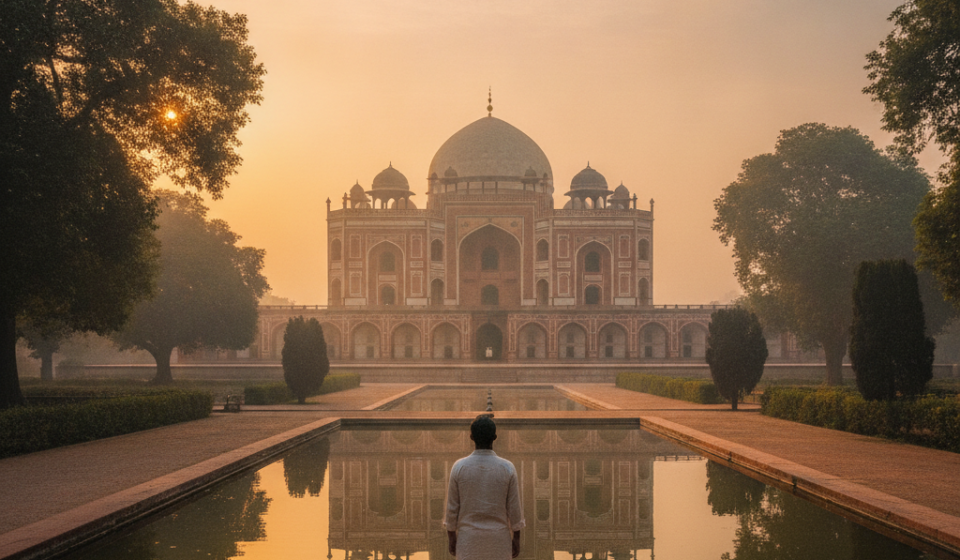

International travel requires systematic preparation. Long bureaucratic queues at foreign consulates often deter prospective travelers from planning historic journeys. Recognizing this entry barrier, the Ministry of Home Affairs introduced a simplified digital pathway. For individuals seeking to experience the cultural heritage, scenic coastal regions, or historic architectural wonders of the country, securing an e tourist visa india represents the most direct and efficient administrative route. It is basically an online system that removes the need to visit an embassy in person.
Recent consular updates from mid-2026 show that the online system now accommodates passport holders from over 170 countries. This digital pathway allows visitors to obtain entry clearance online before taking flight. However, successful entry depends on understanding the specific protocols of the e tourist visa india system. The application process demands absolute accuracy. Even minor errors in passport details or photograph specifications can lead to immediate rejection. This comprehensive guide provides a detailed breakdown of the application process, documentation requirements, and border compliance protocols.
Key Takeaways
- 100% Online Process: No embassy visits are required; the entire application and fee payment are completed online.
- Multiple Validity Options: Choose between a 30-Day, 1-Year, or 5-Year e-Tourist Visa depending on your travel plans.
- Strict Document Standards: High-quality passport scans and white-background digital photos are mandatory to avoid rejection.
- Designated Entry Ports: Entry is restricted to 29 authorized airports and 5 seaports.
- Non-Extendable: The e-Tourist Visa cannot be extended or converted once you enter India.
Understanding the e Tourist Visa India
The digital transition of border management has altered how travelers obtain permission to enter foreign nations. In India, this system is managed through the Electronic Travel Authorization platform. The e tourist visa india is an official document issued electronically by the government to international visitors whose primary objective is tourism, casual recreation, sightseeing, or short visits to meet relatives. It is important to distinguish this online authorization from a traditional physical sticker visa. The electronic system links the visa status directly to the passport number of the traveler, removing the need for physical passport submission during the application process. This basically eliminates the chance of losing passports in transit.
The introduction of this electronic system has reduced the average visa procurement period from several weeks to just a few days. Obtaining an Indian e-visa has become the standard method for foreign nationals visiting the country. Under the e tourist visa india guidelines, travelers receive an electronic PDF document called the Electronic Travel Authorization (ETA), which is the official digital clearance document. This document must be printed and presented to border officials upon arrival at designated check posts. Despite its convenience, the electronic visa is not an automatic right of entry. Border officers at the port of entry retain the final authority to grant admission based on standard security checks.
Eligibility Criteria for the e Tourist Visa India
Not all travelers can access the electronic system. The government restricts eligibility for the e tourist visa india based on nationality, passport status, and the purpose of the trip. To qualify, applicants must meet the following criteria:
- Eligible Nationality: Must hold a passport from one of the 170+ designated countries.
- Ordinary Passport Only: Diplomatic, official, and special passport holders must apply traditionally.
- Individual Passports: Children must possess their own individual passports; parental endorsements are not accepted.
- Permitted Purposes: Tourism, sightseeing, casual visits to relatives, or short-term courses (like yoga).
Specific exclusions apply to individuals with family ties to certain nations. If an applicant, or their parents or grandparents, was born in or was a permanent resident of Pakistan, they are ineligible for the online visa system. These applicants must submit a traditional visa application through a specialized diplomatic channel. Additionally, travelers holding international travel documents (such as refugee travel documents) cannot utilize the electronic platform.
Different Types of e Tourist Visa India Available
To accommodate different travel plans, the government offers three distinct categories of the e tourist visa india. Choosing the correct category is vital because the validity periods and permitted entries vary. The electronic visa is arguably the most convenient travel authorization available, though not without exceptions for certain passport holders.
The options include:
- 30-Day e-Tourist Visa: This subcategory is popular for quick vacations. The validity starts from the arrival date.
- 1-Year e-Tourist Visa: This option permits multiple entries within a 365-day period.
- 5-Year e-Tourist Visa: Designed for frequent travelers making recurring leisure trips.
The table below outlines the precise technical specifications for each of these three variants under the e tourist visa india framework:
| Visa Category | Validity Period | Entries Allowed | Max Continuous Stay |
|---|---|---|---|
| 30-Day Visa | 30 days from arrival | Double entry | 30 days total |
| 1-Year Visa | 365 days from issue | Multiple entries | 90 days per visit |
| 5-Year Visa | 5 years from issue | Multiple entries | 90 days per visit |
For multiple-entry versions, the continuous stay limit is a crucial regulatory point. While the visa remains valid for one or five years, citizens of most countries cannot stay continuously for more than 90 days during any single visit. However, citizens of specific nations (such as the United States, United Kingdom, Canada, and Japan) are granted a continuous stay limit of up to 180 days per visit. Staying beyond these limits without registration is a serious immigration violation.
Required Documents for the e Tourist Visa India
A successful application hinges entirely on the quality and accuracy of the uploaded documentation. Before commencing the e tourist visa india online application, travelers must assemble several essential items to ensure a smooth upload process.
| Document Type | Format Required | File Size Range | Key Technical Specifications |
|---|---|---|---|
| Passport Bio Page Scan | 10 KB to 300 KB | Must show photo, personal details, and passport number clearly. Must have 6 months validity and 2 blank pages. | |
| Digital Photograph | JPEG | 10 KB to 1 MB | Square aspect ratio, plain white/light background, full face centered, no shadows. |
The primary document is a scanned copy of the passport bio page (showing the photograph and biographical details). This page contains the traveler’s photograph, personal details, and passport number. The scan must be in PDF format, with a file size ranging between 10 KB and 300 KB. Crucially, the passport must have six months of validity remaining and contain two blank pages for immigration stamps.
The second mandatory item is a recent digital photograph of the applicant. To avoid delays, the photograph must meet the following strict standards:
- The image must be in JPEG format, with a file size between 10 KB and 1 MB.
- The height and width of the photo must be equal (square aspect ratio).
- The background must be plain white or a very light-solid surface.
- The applicant’s head must occupy the center of the frame, showing the full face.
- Shadows on the face or background must be entirely avoided.
Failing to meet these specifications is the most common reason for delay. If the scanned passport or the photograph is blurry, immigration officers will reject the file, forcing the applicant to resubmit. This delays the issuance of the e tourist visa india and can disrupt travel schedules.
Step-by-Step e Tourist Visa India Application Process
Completing the ETA application requires careful attention to detail. The process for securing the e tourist visa india can be broken down into five distinct phases, which must be executed in sequence.
- Registration: Initiate registration on the official portal. This step generates a unique Temporary Application ID to retrieve the draft form if needed.
- Complete the Application Form: Fill out the extensive online form. This section requires details such as:
- Full name as written in the passport (including middle names).
- Detailed family history (parental names and nationalities).
- Current residential address.
- Professional details (current occupation).
- Travel history over the past ten years.
- Upload Documents: Upload the prepared photograph and scanned passport bio page, ensuring they meet the portal specifications.
- Fee Payment: Pay the processing fee online. The payment must be completed at least four days before the departure date to allow sufficient time for administrative processing.
- Status Monitoring & Download: Monitor your application status. Once approved, download the Electronic Travel Authorization (ETA) and print it for travel.
Processing Time and Official Visa Fees
The time required to process the online application is relatively brief. Most applications for the e tourist visa india are processed within 72 hours. However, travelers should apply at least four days prior to departure to accommodate potential technical delays.
The fee structure for the electronic visa is non-uniform. It varies based on the applicant’s nationality and the duration of the visa selected. Roughly speaking, the fee often reflects reciprocal policies (meaning that the fee matches what the applicant’s home country charges Indian citizens).
For instance, the 30-day visa fee is lower during the off-peak tourist season (April to June) to encourage travel, whereas it increases slightly during the peak season (July to March). All payments are non-refundable. If the e tourist visa india application is rejected due to incomplete data, the fee is forfeited, and a new payment is required for any subsequent attempt. Navigating the online visa application India system requires careful entry of financial and personal information to prevent these losses.
Rules and Entry Regulations for International Travelers
Securing the Electronic Travel Authorization is only the first step. To ensure a smooth entry at the border, travelers must adhere to specific operational rules associated with the e tourist visa india. Understanding these limitations is critical to avoiding immigration difficulties, fines, or deportation.
- Non-Extendable & Non-Convertible: Once inside the country, the traveler cannot convert this visa into a residency or work permit. Extending the stay requires exiting and reapplying.
- Restricted Areas: The electronic visa is not valid for travel to Protected, Restricted, or Cantonment Areas (e.g., parts of Sikkim or Ladakh). You must obtain a separate Protected Area Permit from local authorities.
- Biometric Data Capture: All travelers must undergo biometric scans (fingerprints and a digital facial photograph) upon arrival at the immigration desk. Refusal results in immediate entry denial.
Authorized Ports of Entry and Exit
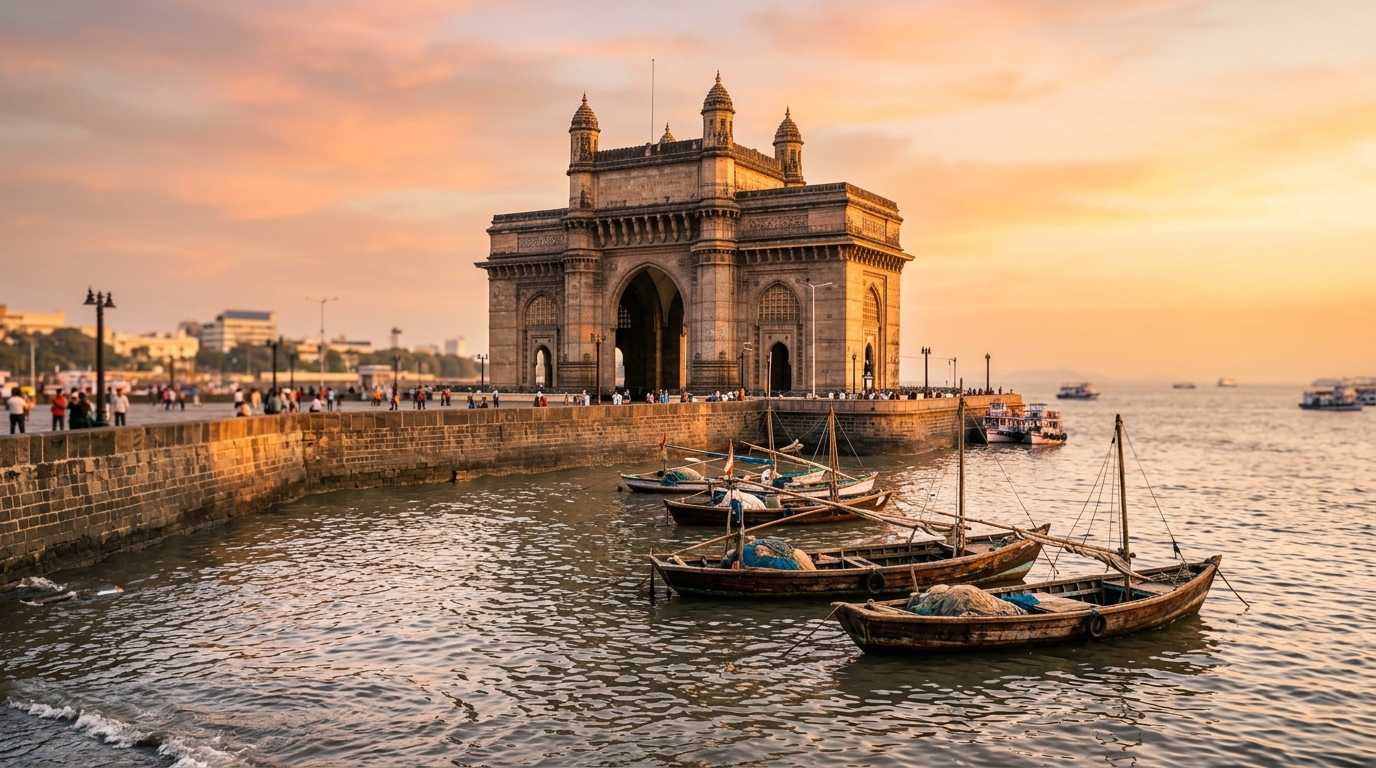
Travelers using the electronic visa system cannot enter the country through any border crossing of their choice. The e tourist visa india is valid for entry only through designated, authorized Integrated Check Posts (ICPs), which are border entry points equipped with modern biometric scanning systems.
Currently, the government has designated 29 authorized airports and 5 seaport terminals for electronic visa entry. These include major transport hubs such as Delhi, Mumbai, Bengaluru, Chennai, Kolkata, and Cochin. If a traveler attempts to enter using the e tourist visa india via an unauthorized land border or airport, they will be turned back. Some travelers find these strict port-of-entry restrictions inconvenient. But still, they maintain the necessary security integrity of international border controls.
In contrast, the regulations for departure are far more flexible. Once a traveler has entered through an authorized port, they can exit the country through any of the authorized Immigration Check Posts, including land border crossings and regional airports. This flexibility allows travelers to plan complex, multi-country itineraries.
Tips for a Smooth Travel Experience
Maximizing the convenience of the e tourist visa india system requires a practical approach to preparation. Even with an approved ETA, minor oversights at the airport can lead to delays or missed flights. The following recommendations can help travelers ensure a trouble-free journey:
- High-Quality Printout: Ensure the printed ETA is of high visual quality. Immigration officers must scan the barcode on the document. If the print is smudged, the scanning machine may fail. Print at least two copies and store them separately.
- Verify Passport Alignment: Verify that the passport information matches the ETA exactly. The name on the ETA must be identical to the machine-readable zone of the passport. Any mismatch can prevent boarding.
- Health and Vaccination Checks: Ensure that travel health requirements are met. Travelers coming from yellow-fever-endemic countries must present a valid Yellow Fever Vaccination Certificate upon arrival.
Professional Support for Visa Applications
Managing foreign immigration portals can be challenging. For individuals who prefer expert oversight when securing their e tourist visa india, utilizing the TravelDham Visa Service provides a reliable solution. This service reviews documents, formats passport scans, and ensures that photographs comply with the rigorous government standards, minimizing the risk of visa rejection.

Conclusion
Managing the administrative requirements of international travel can seem demanding, but the digital visa system simplifies the process significantly. By ensuring all passport details are accurate, uploading high-quality documents, and submitting the application well in advance, travelers can avoid unnecessary delays. The e tourist visa india offers a practical and simplified gateway to exploring the rich cultural regions of the country. Planning ahead and double-checking every detail ensures that the journey begins smoothly and remains stress-free.