


The global travel sector is witnessing a steady but significant shift in how people explore the world. Standard sightseeing holidays are no longer the default choice for modern travelers who seek meaningful interactions with nature. Instead, the rising interest in eco tourism in india represents a profound shift toward environmental awareness and conservation. Travelers are actively seeking out destinations that minimize their carbon footprint while supporting local economies. India, with its incredibly diverse ecological zones, offers an ideal canvas for this emerging form of travel. By focusing on low impact exploration, these travelers are discovering that the true beauty of the country lies far beyond crowded commercial hill stations. This guide uncovers the lesser known sanctuaries that are consistently setting new standards for ecological preservation.
Key Takeaways
- Grassroots Conservation: Local communities are the heart of successful eco-tourism, turning former hunters into active wildlife protectors.
- Planned Infrastructure: Strategic zoning in areas like Thenmala minimizes human impact on fragile, high-biodiversity ecosystems.
- Mindful Travel Choices: Opting for walking safaris, plastic-free stays, and local homestays directly funds environmental preservation.
- Biodiversity Havens: From high-altitude alpine zones to coastal nesting beaches, India’s eco-tourism spots protect rare and endangered species.
The Shift Toward Conscious Travel in the Subcontinent
The rapid urbanization of major metropolitan hubs has created an urgent need for citizens to reconnect with pristine environments. Historically, leisure travel in the subcontinent revolved around popular heritage sites and heavily commercialized mountain resorts. But still, the ecological strain on these traditional hubs has forced a critical reassessment of travel habits. Redefining the future of eco tourism in india is not merely a trend but an absolute necessity for resource preservation. Communities and travelers alike now realize that unchecked tourism leads to severe habitat degradation and plastic pollution.
This growing ecological awareness has fueled a demand for sustainable travel alternatives that prioritize preservation over profit. Travelers now actively seek destinations where their presence contributes to the local environment rather than depleting it. It is basically a shift from passive consumption to active stewardship. In practice, this means adopting conscious choices such as:
- Supporting locally owned homestays and community-run lodges.
- Choosing walking safaris and non-motorized tours over heavy vehicles.
- Respecting wildlife corridors and minimizing noise in ecological zones.
As more travelers opt for these mindful practices, the country is witnessing the rise of highly specialized travel models. These models demonstrate that tourism can serve as a powerful tool for environmental rehabilitation and cultural preservation.
Furthermore, the expansion of conscious travel has led to a noticeable shift in itinerary design. Agencies are moving away from mass packages to create customized, low-impact journeys. By partnering with rural cooperatives, operators ensure that tourism revenues are distributed equitably. This provides a strong incentive for communities to protect their surroundings, saving ancient forests and fragile ecosystems from commercial exploitation. Finding genuine eco-friendly destinations can be challenging amid widespread greenwashing, but targeted community initiatives are showing the way forward.
Understanding Eco-Tourism in India: Core Concepts and Evolution
To fully appreciate these emerging destinations, one must understand the foundational principles that govern sustainable travel. The early frameworks for eco tourism in india began to take shape during the late twentieth century. This occurred when conservationists realized that national parks could not protect biodiversity without the active involvement of local communities. Unlike mainstream leisure travel, this specialized sector demands strict adherence to ecological principles. The core framework relies on three interconnected pillars:
- Conservation of biodiversity and natural habitats through low impact tourism infrastructure.
- Economic upliftment of local populations through direct economic benefits and employment opportunities.
- Environmental education for both visitors and residents to foster long term ecological respect.
By embedding these guidelines into local policies, several regions have managed to reverse environmental decline. It is a slow process, but the results are highly encouraging. The evolution of this sector has also been accelerated by the adoption of community-based tourism models. These initiatives ensure that the financial returns from tourism are directly reinvested into village development and habitat restoration. This structural alignment makes conservation profitable for local residents. It is this exact alignment that is shaping the modern ethos of eco tourism in india, transforming vulnerable ecological zones into thriving, self-sustaining sanctuaries.
Historically, conservation efforts excluded local populations, creating friction. Participatory management transformed this relationship by introducing several key benefits:
- Reduction in Illegal Activities: Direct economic incentives from guiding and hosting discouraged poaching and logging.
- Mutual Benefits: Local communities realized that keeping forests intact secures regular livelihood streams.
- Cooperative Preservation: Wildlife protection and human development became mutually supportive pillars, forming the backbone of modern ecological ventures.
Emerging Eco-Tourism Destinations in North India
The northern mountains of India, long celebrated for their dramatic topography, are hosting some of the most innovative conservation projects in Asia. While popular hill stations struggle with over tourism, remote valleys are actively pioneering sustainable management practices. These destinations offer travelers an opportunity to experience the raw grandeur of the Himalayas without contributing to its degradation.
Great Himalayan National Park, Himachal Pradesh
Situated in the Kullu district, the Great Himalayan National Park (GHNP) is a prime showcase of high altitude eco tourism in india. Awarded UNESCO World Heritage status in 2014, this park protects over 1,100 square kilometers of pristine alpine meadows, dense temperate forests, and glacial valleys. The park management strictly prohibits motorized vehicles within the core zone, which supports the park’s ongoing conservation efforts. This restriction forces visitors to explore the area on foot via carefully mapped trekking trails.
This deliberate lack of modern infrastructure protects endangered species like the Western Tragopan and the Snow Leopard. Local communities living in the surrounding eco-zone are actively involved in protection. Many villagers work as certified guides, keeping tourism benefits local. The expanding map of mountain eco tourism in india relies heavily on this successful model, proving preservation can coexist with regulated travel.
Binsar Wildlife Sanctuary, Uttarakhand
Nestled in the Kumaon hills, Binsar Wildlife Sanctuary offers a compelling alternative to the crowded resorts of Nainital. This dense oak and rhododendron forest is home to over 200 species of birds, leopard populations, and panoramic views of the high Himalayan peaks. Binsar is particularly notable for its unique model of community-integrated hospitality.
The sanctuary has successfully integrated local villages into its tourism framework, preventing the outward migration of youth. Homestay initiatives in Binsar allow travelers to stay in traditional Kumaon homes, sample local organic cuisine, and learn about indigenous agricultural practices. By keeping the tourism footprint small, the sanctuary has managed to preserve its delicate water resources and forest cover. This focus on small-scale, high-value travel has positioned itself as a hallmark of eco tourism in india, serving as a blueprint for other Himalayan regions.
Pioneering Eco-Tourism Hotspots in Northeast India
Northeast India remains one of the most biodiverse regions on earth, with communities that have practiced sustainable living for generations. The regional approach to conservation is deeply rooted in tribal customs, where forests are revered as sacred spaces.
Khonoma Eco-Services and Community Initiatives, Nagaland
Located near Kohima, the historic village of Khonoma is globally recognized as India’s first green village. Decades ago, the village was known for its hunting traditions, which put severe pressure on the local wildlife. However, in 1998, the village council declared a 20 square kilometer area as the Khonoma Nature Conservation and Tragopan Sanctuary. This bold move effectively banned hunting and commercial logging within their territory.
Today, Khonoma remains a shining model for community based eco tourism in india. The village elders and youth run the conservation programs, guiding visitors through the alder forests and terraced agricultural fields. Their organic farming methods, which have been refined over centuries, prevent soil erosion and maintain ecological balance. This remarkable shift from hunting to conservation has created a sustainable source of income, proving that grassroots participation is vital for eco tourism in india to succeed in tribal regions.
Mawlynnong and the Living Root Bridges, Meghalaya
Mawlynnong, located in the East Khasi Hills, gained international fame as the cleanest village in Asia. But still, the real achievement of this community lies in its sophisticated waste management systems and the preservation of living root bridges. These botanical marvels are hand-woven from the roots of the Ficus elastica tree over several decades, creating natural river crossings that grow stronger with age.
The village operates on a zero-plastic policy, with every household actively participating in daily cleaning rituals. Travelers can experience this pristine environment by booking tailored travel itineraries through specialized services. For instance, planning a trip with a dedicated agency can greatly enhance the journey. Those interested in visiting these legendary living root bridges can book custom packages through TravelDham Meghalaya Tour Packages to ensure a smooth, sustainable travel experience. These highly successful models of rural eco tourism in india demonstrate that cleanliness and ecological preservation can become major drivers of sustainable local economies, making Mawlynnong a vital destination for experiential eco tourism in india.
Southern India’s Model of Sustainable Preservation
The southern peninsula of India has long pioneered institutional frameworks for conservation, utilizing its diverse geography of tropical rainforests and coastal wetlands. By combining government policy with community involvement, the southern states have created highly resilient eco-tourism models.
Thenmala, Kerala: India’s First Planned Eco-Tourism Destination
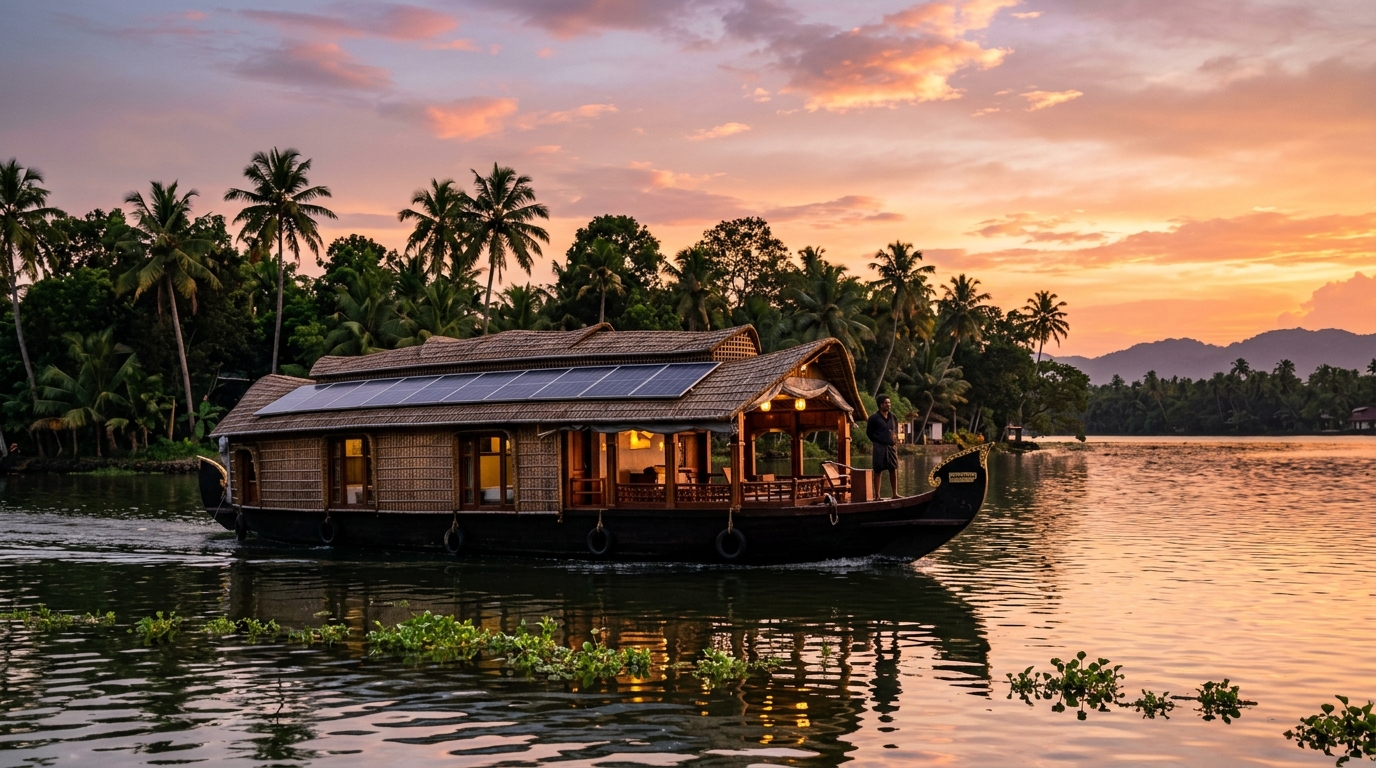
Located in the Kollam district, Thenmala holds the distinction of being the undisputed pioneer of planned eco tourism in india. Unlike organic growth models, Thenmala was designed from the ground up to channel tourism into specific zones, thereby protecting the surrounding Shendurney Wildlife Sanctuary. The destination is divided into distinct zones, primarily culture and adventure, to manage visitor crowds effectively.
This systematic zoning ensures that high-impact activities do not disrupt delicate ecosystems. Visitors enjoy boating and canopy walkways without encroaching on sensitive habitats. Thenmala redefined the standards of eco tourism in india by proving infrastructure can minimize disturbance. To explore these green initiatives, reserving a curated package through TravelDham Kerala Packages offers an excellent way to witness these pioneering conservation models.
Coorg and Western Ghats Biosphere Reserve
The Western Ghats are a global biodiversity hotspot, and Coorg remains a critical buffer zone. Known for its coffee plantations and misty hills, Coorg has faced substantial pressure from commercial development. In response, estate owners and local conservation groups have championed private sanctuaries and shade-grown coffee.
Shade-grown coffee cultivation preserves the original forest canopy, allowing native bird species and wild elephants to travel safely between forest patches. Travelers can stay at certified eco-lodges that generate their own solar power, harvest rainwater, and process waste organically. This unique approach highlights the complex dynamics of agricultural eco tourism in india, where economic production and environmental protection go hand in hand. Visiting this region highlights how agricultural terrains can actively support biodiversity conservation, making it a top tier candidate for eco tourism in india. Travelers can plan their journey using specialized resources like TravelDham Coorg Travel Guide to find certified eco-resorts.
Central and Western India’s Hidden Sanctuaries
The dry deciduous forests and coastal stretches of central and western India present unique conservation challenges. Here, water scarcity and human-wildlife conflict are common, making sustainable management strategies critical for survival.
Satpura Tiger Reserve, Madhya Pradesh
While neighboring reserves like Kanha and Bandhavgarh attract massive crowds, Satpura Tiger Reserve offers a different dimension to forest based eco tourism in india. Satpura is unique because it allows walking safaris within its buffer zones, a rare privilege in Indian tiger reserves. This policy encourages a slow-paced, observant form of exploration that focuses on the entire ecosystem rather than just large predators.
The park management limits the number of vehicles permitted inside the reserve each day to prevent noise pollution and habitat disturbance. This low-impact approach ensures that the resident wildlife (including leopards, sloth bears, and the Indian giant squirrel) remains undisturbed by human presence. The Satpura model demonstrates how conservation can drive eco tourism in india by prioritizing high-quality wilderness experiences over mass tourism volume.
Velas Village, Maharashtra: Community Sea Turtle Conservation
On the rocky coast of Ratnagiri lies Velas, a small fishing village that has become synonymous with marine conservation. Every year, endangered Olive Ridley sea turtles nest on the sandy beaches of Velas. In the past, turtle eggs were frequently stolen or destroyed by wild animals. However, a local non-governmental organization partnered with the villagers to establish a community-led conservation program.
Villagers protect the nests and run the annual Velas Turtle Festival, where tourists gather to watch the tiny hatchlings crawl safely to the Arabian Sea. The village does not host commercial hotels. Instead, tourists stay in local homes, generating a direct income stream for the fishing families. This highly successful initiative represents a unique marine focused chapter of community eco tourism in india, proving that small villages can protect global marine species. This inspiring project illustrates the sheer diversity of eco tourism in india, showing that conservation can thrive on beaches just as effectively as in deep forests.
The Role of Travelers: How to Practice Responsible Tourism
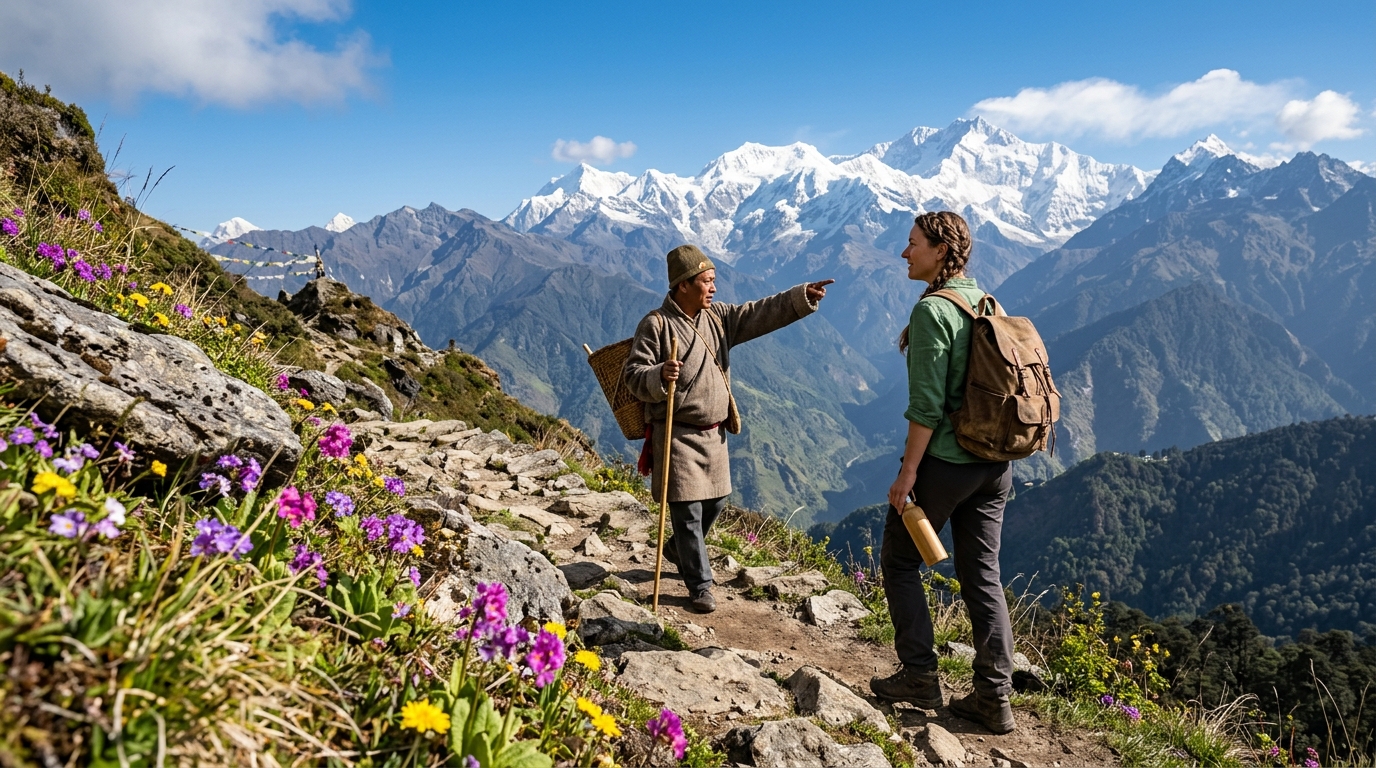
The long term viability of eco tourism in india depends heavily on the choices made by individual travelers. Adopting responsible tourism practices ensures that pristine environments remain intact. To safeguard the integrity of eco tourism in india, visitors should adopt several key practices:
- Minimize waste by carrying reusable water containers and avoiding single use plastics.
- Respect local cultural norms and support community businesses by purchasing authentic local crafts.
- Avoid disturbing wildlife by maintaining a respectful distance and reducing noise pollution.
By following these simple guidelines, travelers can ensure that their presence has a positive impact on both the local environment and the host communities. For anyone wishing to experience genuine eco tourism in india, these practices are not optional but essential.
Comparing India’s Key Eco-Tourism Destinations
To help conscious travelers select their next sustainable adventure, it is helpful to analyze the distinct characteristics of these emerging hotspots. This comparison helps map out the diverse options for eco tourism in india. Consider these factors when choosing where to experience eco tourism in india on your next journey.
| Destination | Best Time to Visit | Key Activities | Unique Ecological Attraction |
|---|---|---|---|
| Great Himalayan National Park | March to June & September to November | High-altitude trekking, bird watching | Western Tragopan, Snow Leopard |
| Binsar Wildlife Sanctuary | October to March | Nature trails, wildlife photography | Himalayan Goral, ancient Oak forests |
| Khonoma Green Village | October to April | Agro-tourism, organic farm walks | Blyth’s Tragopan, alder forest reserves |
| Mawlynnong Village | June to September (Monsoon) | Root bridge trekking, clean-living study | Living Root Bridges, zero-plastic systems |
| Thenmala Eco-Tourism | September to March | Canopy walkway, river boating | Planned eco-zoning, deer rehabilitation |
| Velas Village | February to April | Sea turtle conservation, homestay living | Olive Ridley Sea Turtle hatchlings |
| Destination | Primary Eco-System | Key Focus |
|---|---|---|
| Great Himalayan Park | Alpine Meadows | Endangered bird protection |
| Khonoma Village | Sub-tropical Forest | Ban on hunting |
| Thenmala Eco-Tourism | Tropical Rainforest | Zoned management |
| Velas Village | Coastal Beach | Sea turtle protection |
Frequently Asked Questions
Which region offers the best eco tourism in india?
Northeast India is unmatched for community-based conservation, while northern sanctuaries like the Great Himalayan National Park are ideal for alpine trekking. For structured, planned eco-tourism with excellent facilities, Southern India remains the top choice.
How does sustainable travel benefit local communities?
The growing footprint of eco tourism in india provides rural families with alternative livelihoods as guides, homestay hosts, and organic farmers, replacing resource extraction with conservation income.
What are the key packing essentials?
Those planning to participate in eco tourism in india should carry reusable water bottles, biodegradable toiletries, solar chargers, and neutral-colored clothing that blends with the natural environment.