
The vast peninsula of Southern India presents a distinct travel experience marked by ancient Dravidian architecture, serene backwaters, and misty hill stations. Unlike the fast paced historical circuits of the north, a journey through this region requires a deliberate, well-structured approach to truly absorb its diverse cultural nuances. Designing a comprehensive south india travel plan is essential for any traveler seeking to balance coastal relaxation with heritage exploration. From the tech hubs of Karnataka to the tranquil shores of Kerala and the majestic temple towns of Tamil Nadu, each state offers a distinct environment that demands careful logistical preparation. This guide provides an authoritative blueprint to help travelers structure their itineraries, manage expenses, and execute a flawless journey through one of the most culturally rich regions of the subcontinent.
Key Takeaways for Your South India Travel Plan
- Optimum Duration: A realistic South India itinerary requires at least 10 to 14 days to properly cover two adjoining states without rushing.
- Peak Season: The best time to visit is from November to February when temperatures are cooler and more pleasant.
- Transport Choice: Hiring a private AC car with a driver is the most flexible and efficient way to navigate regional routes.
- Cultural Etiquette: Modest dress (covering shoulders and knees) is strictly enforced when entering ancient Dravidian temples.
- Diverse Microclimates: Expect hot, humid coastal weather but prepare for chilly evenings if visiting hill stations like Munnar or Ooty.
Understanding the Geographic Diversity of South India
The southern portion of the Indian subcontinent is bounded by the Arabian Sea, the Bay of Bengal, and the Indian Ocean. The region consists of five major states, each possessing its own language, culinary traditions, and architectural style. To build an effective south india travel plan, one must understand how these states differ. Each region requires a distinct approach within the larger south india travel plan.
To build an effective itinerary, travelers should note the unique geographic and cultural characteristics of each state:
- Kerala: Characterized by its narrow coastal strip, extensive coconut groves, and a complex system of inland waterways known as the backwaters. Travelers often choose dedicated Kerala itineraries to focus solely on its tranquil canals and spice plantations.
- Tamil Nadu: Represents the cultural heart of Dravidian civilization, home to massive stone temples, vibrant festivals, and ancient traditions.
- Karnataka: Offers a blend of modern metropolitan life, ancient ruins like Hampi, and the forested coffee estates of Coorg (which is arguably one of the wettest regions in the country during monsoons).
| State | Primary Highlights | Best Time to Visit | Gateway Airport(s) |
|---|---|---|---|
| Kerala | Backwaters, houseboats, Ayurveda, spice plantations, Munnar hill station | October to March | Kochi (COK), Trivandrum (TRV) |
| Tamil Nadu | Dravidian temples, colonial Pondicherry, Nilgiri toy train in Ooty | November to February | Chennai (MAA), Madurai (IXM) |
| Karnataka | Hampi ruins, Mysore Palace, Coorg coffee estates, tech hub Bangalore | October to March | Bangalore (BLR), Mangalore (IXE) |
The Western Ghats mountain range runs parallel to the western coast, acting as a climatic barrier. This range creates cool, misty hill stations such as Ooty and Munnar, which contrast with the hot, humid coastal plains. Understanding these distinct microclimates is crucial. While coastal regions experience high humidity year-round, the interior deccan plateau remains dry and hot. A successful south india travel plan must account for these variations to ensure that travelers pack appropriate attire and schedule outdoor activities during cooler hours.
Crafting Your Perfect South India Itinerary
A well-structured South India itinerary must balance travel times with sightseeing. Distances between key destinations can be deceptive. Although roads have improved, traversing hilly terrain or congested city centers often takes longer than anticipated. When designing a south india travel plan, selecting a specific geographic route is far more practical than trying to cover the entire region in a single visit. Travelers should choose between a heritage-focused route, a nature and wellness route, or a comprehensive loop that combines both elements. Below are two highly optimized routes designed to maximize experience while maintaining a realistic travel pace.
Option 1: The Classic 10-Day Heritage and Backwaters Route
This 10-day South India itinerary is ideal for first-time visitors who wish to experience the highlights of Tamil Nadu and Kerala. It starts in Chennai, the gateway to the south, and moves southwest through ancient temple towns before crossing the Western Ghats into Kerala. A structured south india travel plan using this route ensures a balanced mix of cultural immersion and natural relaxation.
- Day 1-2: Chennai and Mahabalipuram. Begin by exploring Chennai’s colonial history before driving south to Mahabalipuram to view its famous seventh-century rock-cut temples.
- Day 3-4: Pondicherry. Travel south to Pondicherry, a former French colony, where the French Quarter offers unique European charm.
- Day 5-6: Madurai. Head inland to Madurai to visit the historic Meenakshi Amman Temple, a highly sculpted masterwork.
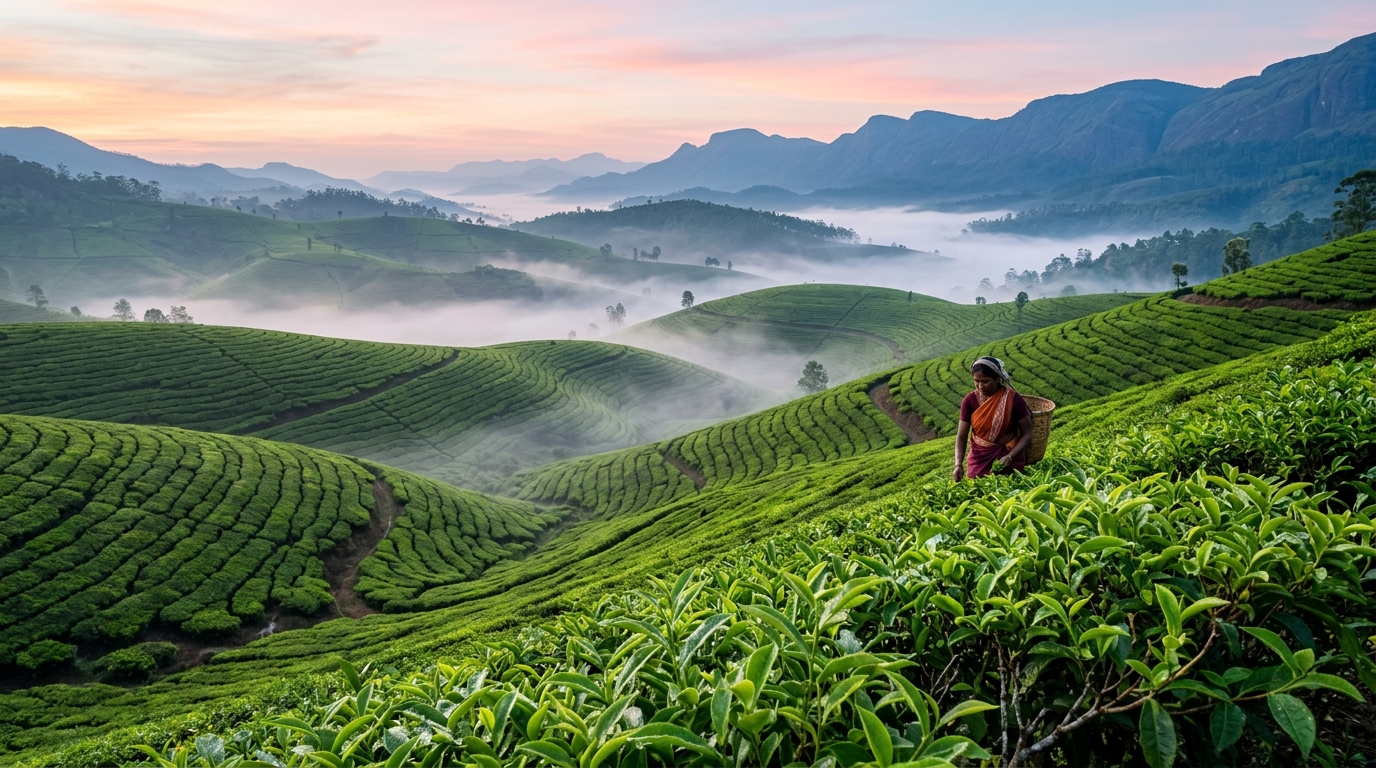
- Day 7-8: Munnar. Cross into Kerala and ascend the Western Ghats to Munnar, famous for sprawling tea estates.
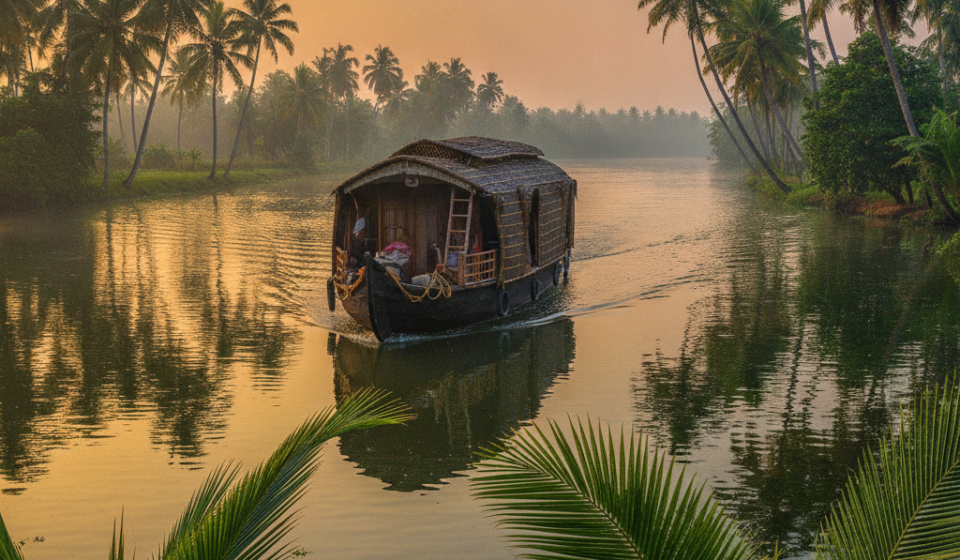
- Day 9-10: Alleppey Backwaters and Cochin. Descend to Alleppey for a traditional houseboat cruise, then conclude the trip in historic Cochin.
This route covers roughly 800 kilometers. Traveling by private vehicle is the most efficient way to manage this specific south india travel plan, as it allows for spontaneous stops at smaller wayside temples.
Option 2: The 14-Day Comprehensive Southern Loop
For travelers with more time, a 14-day loop allows for a deeper exploration of Karnataka and Kerala. This south india travel plan starts in Bangalore, the capital of Karnataka, and winds through historic kingdoms, deep valleys, and pristine coastlines.
- Day 1-2: Bangalore and Mysore. Explore Bangalore before taking a train to Mysore, renowned for its majestic palace. A combined tour of Bangalore and Mysore provides an excellent introduction to local history.
- Day 3-5: Coorg and Wayanad. Drive into the lush hills of Coorg to visit coffee plantations, then head south to Wayanad.
- Day 6-8: Ooty and Coimbatore. Travel to Ooty to ride the historic Nilgiri Mountain Railway down to Coimbatore.
- Day 9-11: Cochin and Alleppey. Continue to Kochi to explore spice markets before heading to Alleppey for a serene houseboat stay, a crucial highlight of any comprehensive south india travel plan.
- Day 12-14: Gokarna and Departure. Travel north along the coast to Gokarna, which offers pristine, quiet beaches.
This 14-day south india travel plan offers a diverse view of the region’s geography. It transitions from bustling technology centers to quiet hill stations and remote beaches, representing a comprehensive travel experience.
Detailed South India Tour Budget and Cost Breakdown
A realistic budget is a fundamental component of any successful south india travel plan. The cost of travel in Southern India is generally lower than in Western Europe or North America, but prices can vary significantly depending on the season and chosen comfort levels. Peak travel season runs from November to February, during which hotel rates can increase by 30% to 50%. Planning a South India tour budget requires dividing costs into clear categories: accommodation, transport, food, and activities. The table below outlines estimated daily costs per person for different travel tiers.
| Expense Category | Budget Tier (INR / USD) | Mid-Range Tier (INR / USD) | Luxury Tier (INR / USD) |
|---|---|---|---|
| Accommodation (Per Night) | ₹1,000 – ₹2,000 ($12 – $24) | ₹3,500 – ₹7,000 ($42 – $84) | ₹15,000+ ($180+) |
| Local Transport (Daily) | ₹500 – ₹1,000 ($6 – $12) | ₹2,500 – ₹4,000 ($30 – $48) | ₹6,000+ ($72+) |
| Meals & Dining (Daily) | ₹400 – ₹800 ($5 – $10) | ₹1,200 – ₹2,500 ($14 – $30) | ₹4,500+ ($54+) |
| Sightseeing & Entry Fees | ₹300 – ₹600 ($4 – $7) | ₹1,000 – ₹2,000 ($12 – $24) | ₹3,500+ ($42+) |
| Total Estimated Daily Budget | ₹2,200 – ₹4,400 ($27 – $53) | ₹8,200 – ₹15,500 ($98 – $186) | ₹29,000+ ($348+) |
This table offers a clear overview of financial expectations. Below is a detailed breakdown of these cost categories to help travelers refine their south india travel plan.
Accommodation Costs Across Categories
Accommodation options in Southern India are incredibly diverse and cater to all preferences:
- Budget (₹1,000 – ₹2,000 / Night): Clean, basic guesthouses and homestays starting at ₹1,000 per night. These properties often provide an authentic local experience, especially in rural areas of Kerala and Tamil Nadu.
- Mid-Range (₹3,500 – ₹7,000 / Night): Heritage properties, boutique hotels, and comfortable 3-star resorts perfect for a balanced south india travel plan.
- Luxury (₹15,000+ / Night): World-class experiences, such as restored palaces in Mysore, private pool villas in Coorg, and luxury houseboats in Kumarakom.
Securing reservations at least three months in advance is highly recommended if traveling during the peak winter season. By aligning these choices, your south india travel plan remains realistic and enjoyable.
Transportation and Transit Costs
Transportation is often the largest single expense in a south india travel plan, yet it dictates the overall comfort of the journey. The Indian Railways network is extensive and highly affordable. Traveling in air-conditioned chair cars (CC) or three-tier sleeper coaches (3AC) is an economical way to cover long distances, costing between ₹500 and ₹1,500 per journey. Many independent travelers like to operate as a FIT (Free Independent Traveler, booking everything themselves), but still, hiring a private air-conditioned car with a professional driver is the most efficient option for regional transit. This service typically costs between ₹3,000 and ₹4,500 per day, depending on the vehicle size and distance covered. This rate usually includes the driver’s lodging and meals. For solo travelers or couples, long-distance intercity buses operated by state corporations or private operators offer a reliable, cost-effective alternative.
Food, Activities, and Hidden Expenditures
Dining in Southern India is both delicious and exceptionally affordable. A traditional South Indian breakfast of idli, dosa, and filter coffee at a local restaurant costs less than ₹100 ($1.20 USD). Even mid-range dining at established heritage restaurants rarely exceeds ₹600 per person. When formulating a south india travel plan, budgeting for activities is equally critical. Monument entry fees for foreign nationals typically range from ₹300 to ₹600 per site. Other activities, such as a private half-day Kathakali dance performance or a guided spice plantation tour, can cost between ₹1,000 and ₹2,500 per person. Travelers should also allocate approximately 10% of their total budget to cover incidental expenses like local guide tips, temple donations, bottled water, and regional handicrafts.
Top Places to Visit in South India
Selecting the right destinations is the most exciting phase of creating a south india travel plan. The region boasts a remarkable variety of attractions, ranging from historic ruins to serene coastal towns. To help prioritize your travel route, here are the premier places to visit in South India, categorized by their distinct travel experiences:
- Historical and Archeological Wonders:
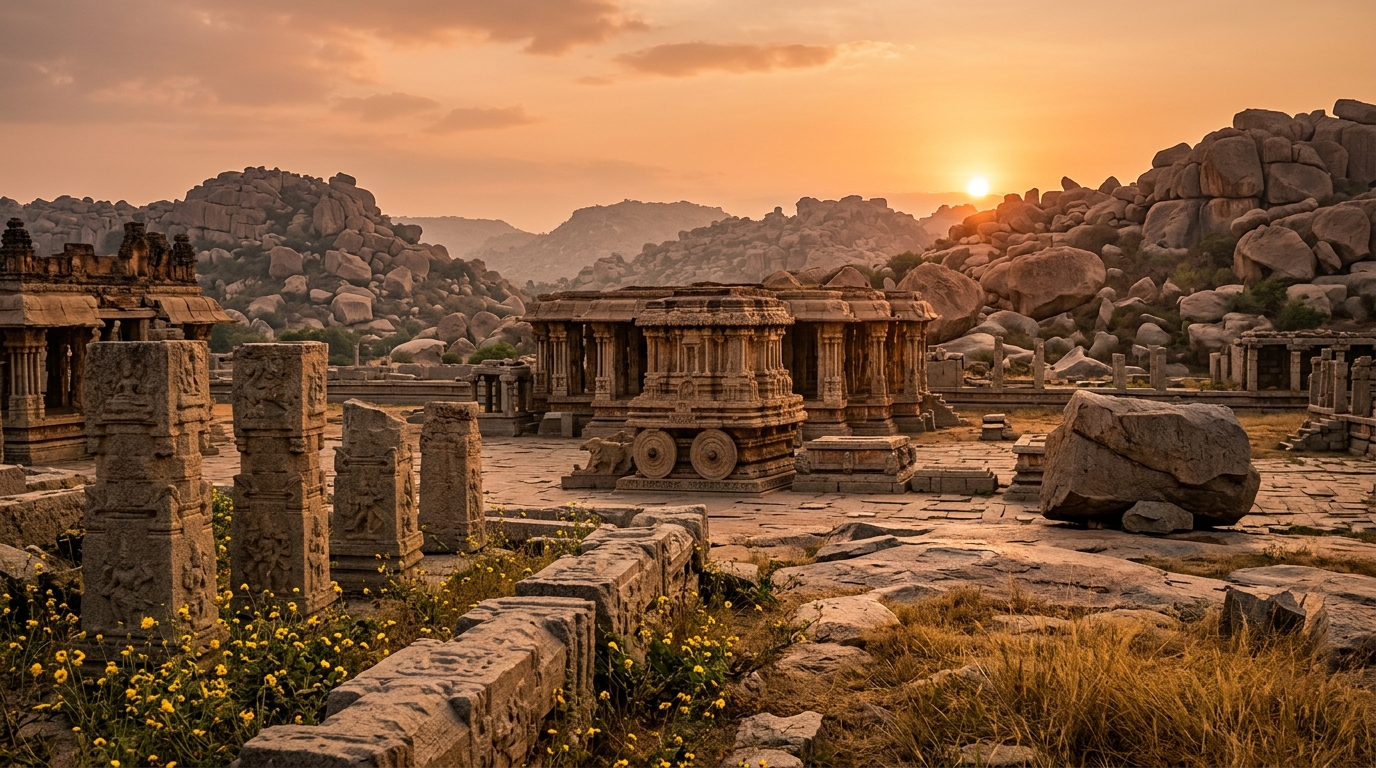
- Hampi (Karnataka): A UNESCO World Heritage site featuring the majestic ruins of the Vijayanagara Empire, set amidst a landscape of giant boulders.
- Mahabalipuram (Tamil Nadu): Famous for its monolithic rock-cut temples, bas-reliefs, and beautiful coastal setting.
- Madurai (Tamil Nadu): Renowned for the historic Meenakshi Amman Temple, a masterpiece of Dravidian architecture.
- Serene Hill Stations and Nature Reserves:
- Munnar (Kerala): Sprawling tea plantations, deep valleys, and cool mountain air make it a preferred mountain escape.
- Coorg (Karnataka): A lush coffee-growing region characterized by misty hills, spice plantations, and cascading waterfalls.
- Ooty (Tamil Nadu): A historic British-era hill station famous for its botanical gardens, lakes, and heritage toy train.
- Coastal Escapes and Backwaters:
- Alleppey (Kerala): The heart of the famous backwaters, offering tranquil overnight houseboat cruises.
- Gokarna (Karnataka): A laid-back coastal town featuring pristine, uncrowded beaches and historic temples.
- Pondicherry: A charming coastal town with a unique blend of French colonial architecture and Indian culture.
Integrating a balanced selection of these places to visit in South India ensures your south india travel plan remains highly engaging. Rather than rushing through multiple cities, travelers are encouraged to select three or four key destinations from this list and spend at least two to three days in each location to fully appreciate their unique characteristics. This slow-travel approach is a hallmark of an effective south india travel plan.
Essential South India Travel Tips for a Smooth Journey
Executing a flawless journey using a south india travel plan requires attention to local customs, practical logistics, and health considerations. When finalizing your south india travel plan, incorporating these proven South India travel tips will help ensure a comfortable and culturally respectful experience.
- Dress Code and Temple Etiquette: Southern India is culturally conservative regarding religious spaces. When visiting temples, both men and women must dress modestly. Shoulders and knees must be covered. Some traditional temples in Kerala require men to wear a traditional dhoti (a cotton sarong wrapped around the waist) and remove their shirts before entering. Always remove footwear before entering temple complexes.
- Weather and Packing Essentials: The tropical climate demands lightweight, breathable clothing made of natural fibers like cotton or linen. A sturdy umbrella is essential, even outside the monsoon season, as sudden tropical showers are common. For those visiting hill stations like Munnar or Ooty, packing a light sweater is necessary, as evening temperatures can drop significantly.
- Hydration and Culinary Safety: Southern Indian cuisine is famous for rich spices, but it can be intense for sensitive stomachs. Stick to purified, bottled water and avoid ice in drinks at local establishments. When trying street food, choose busy vendors with high turnover rates to ensure the ingredients are fresh.
- Advanced Booking for Trains: The Indian Railways network is incredibly popular and trains fill up weeks in advance. If your south india travel plan includes rail travel, ensure you book your tickets through the official IRCTC portal as early as possible. For first-time international visitors, booking under the Foreign Tourist Quota can be a helpful alternative if general seats are sold out.
Paying close attention to these regional nuances can make the difference between an exhausting journey and an unforgettable cultural exploration. By respecting local customs and preparing for the tropical environment, travelers can fully engage with the warmth and hospitality that Southern India is renowned for.
Conclusion
A well-designed south india travel plan is your gateway to a land of rich traditions, diverse landscapes, and warm hospitality. From the tranquil backwaters of Kerala to the historic stone carvings of Tamil Nadu and the misty coffee hills of Karnataka, the southern states offer an incredibly rewarding travel experience. While managing the logistics and regional differences may seem challenging at first, careful preparation makes the journey remarkably smooth. By choosing a realistic itinerary, establishing a clear budget, and respecting local customs, you can focus on the incredible sights, sounds, and flavors of this unique region. Ultimately, executing a structured south india travel plan allows travelers to appreciate the timeless beauty of the south without unnecessary stress. Whether you seek spiritual enlightenment in ancient temples, relaxation on pristine beaches, or an adventurous trek through spice plantations, Southern India promises an experience that will stay with you long after you return home.