
The golden sands of the Thar Desert present an extraordinary landscape where history and natural beauty converge. Planning a desert safari in india requires a meticulous understanding of regional climates and local logistics. While many travelers associate safaris with African wilderness, the arid regions of Rajasthan and Gujarat offer a culturally rich alternative that combines adventure sports with ancient heritage. This guide provides a detailed analysis of the premier destinations, travel methodologies, and essential planning parameters necessary to execute a flawless desert expedition.
Key Takeaways for Your Desert Safari in India
- Top Destinations: Jaisalmer is the main hub for golden dunes, Jodhpur offers historic gateways (Osian), Bikaner provides quiet cultural outposts, and Kutch features a unique white salt desert.
- Best Season: Plan your trip between October and March to avoid the scorching summer heat.
- Key Activities: Choose between traditional slow-paced camel safaris, high-octane 4×4 jeep dune bashing, or magical overnight stargazing camps.
- Essential Packing: Pack loose, breathable cotton clothes for hot days and warm thermal layers for freezing winter nights.
- Responsible Travel: Respect delicate desert wildlife, carry out plastic waste, and support ethical local operators.
The Allure of the Great Indian Desert
The Thar Desert, also known as the Great Indian Desert, covers an area of approximately 200,000 square kilometers (depending on border classifications). This vast sandy region acts as a boundary between India and Pakistan. The historical significance of a desert safari in india lies in the ancient trade routes that once traversed this harsh terrain, linking the kingdoms of Rajputana with Central Asia. The landscape features shifting sand dunes, sparse vegetation, and unique fauna adapted to extreme temperature fluctuations.
For many travelers, embarking on a desert safari in india represents the ultimate synthesis of adventure and cultural immersion. The opportunity to witness the sunset over undulating dunes, followed by traditional folk music and culinary experiences under the stars, offers an unparalleled travel experience. The regional ecosystems, though seemingly barren, support a surprising variety of wildlife, including the endangered Great Indian Bustard, desert foxes, and chinkaras. Understanding the geographical nuances is the first step toward planning an impactful journey. The wind patterns in the Thar Desert create diverse dune systems, from transverse dunes to linear ridges. These formations are constantly in motion, meaning that the visual terrain changes from day to day (a fascinating characteristic for landscape photographers).
Indeed, the environmental dynamics of this region require deep respect. While some tourists assume the desert is an empty void, it is actually a delicate habitat where every creature plays a vital role. This ecological complexity makes a desert safari in india a highly educational experience for those willing to look beyond the surface.
And yet, despite the harshness of the dry air, the local communities have managed to flourish. They have built vibrant societies that celebrate color, music, and hospitality. This human element is what elevates a simple sightseeing tour into a deeply transformative journey, making the arid plains of western India one of the most compelling destinations on the subcontinent.
Top Destinations for a Desert Safari in India
Selecting the proper destination is paramount when organizing a desert expedition. The northwestern corridor of India presents several distinct environments, from the iconic golden dunes of Rajasthan to the blinding white salt flats of Gujarat. These choices cater to diverse travel preferences, allowing each visitor to find their ideal wilderness experience.
| Destination | Landscape Type | Key Highlight | Best For |
|---|---|---|---|
| Jaisalmer | Golden undulating sand dunes (Sam & Khuri) | Thar Desert dunes, ancient Sandstone Fort | Classic camel rides & luxury glamping |
| Jodhpur | Rocky terrain transitioning to stable dunes (Osian) | Bishnoi village safaris & ancient temples | Wildlife spotting & cultural heritage |
| Bikaner | Low-lying dunes and scrub forests | National Camel Research Centre, Camel Festival | Solitude, offbeat routes & caravan safaris |
| Rann of Kutch | Vast white salt desert flats | Rann Utsav under the full moon | Minimalist aesthetics & cultural crafts |
Jaisalmer: The Golden Jewel of Rajasthan
The golden city of Jaisalmer is globally recognized as the primary hub for desert tourism. Strategically situated in the heart of the Thar Desert, the city itself is defined by its massive sandstone fort which appears to rise seamlessly from the desert floor. When planning a desert safari in india, Jaisalmer inevitably commands the primary focus of most itineraries. The proximity to vast sand dunes makes it an ideal base for short excursions. Before departing for the dunes, a brief walking tour through the narrow, bustling lanes of the sandstone fort is highly recommended. The ancient havelis (historic townhouses) feature elaborate stone carvings that serve as a perfect artistic prelude to the raw beauty of the desert.
Indeed, a standard itinerary in this region typically focuses on two main dune systems:
- Sam Sand Dunes: Located 45 km from the city center, famous for dramatic, wind-swept ridges, bustling desert camps, and vibrant cultural activities.
- Khuri Sand Dunes: A more secluded alternative further away, where natural wind patterns remain relatively undisturbed, offering deep solitude.
A classic Jaisalmer experience elevates the standard desert safari in india by combining historical exploration with dune activities, providing a holistic view of Rajasthani desert life.
Beyond the popular dunes, Jaisalmer also hosts the Desert National Park, one of the largest national parks in the country. This protected area provides a rare glimpse into the prehistoric past, with fossils dating back roughly 180 million years. Incorporating a visit to this park into a desert safari in india allows travelers to appreciate the ancient geological forces that shaped this unique environment. Travelers can experience the thrill of the dunes during the day and retreat to the quiet comfort of their camps at night, enjoying traditional Rajasthani hospitality and local culinary traditions.
Jodhpur: Gateway to the Wilderness
While Jaisalmer remains the most prominent hub, Jodhpur offers an equally compelling starting point for a desert safari in india. Known as the Blue City due to the indigo houses clustered around Mehrangarh Fort, Jodhpur serves as the historical gateway to the Marwar region. The surrounding wilderness features a transition from rocky terrain to sandy plains, offering a diverse geographical experience.
Choosing Jodhpur as the base for a desert safari in india allows travelers to experience the wilderness of Osian. Osian, an ancient temple town located roughly 65 kilometers north of Jodhpur, is famous for its well-preserved Hindu and Jain temples dating back to the eighth century. Conducting a desert safari in india in Osian allows visitors to combine archaeological appreciation with the thrill of traversing the dunes. The Osian landscape is particularly notable for its low, stable dunes interspersed with rocky valleys. This geographical variety provides a more rugged terrain, allowing for short hikes that offer sweeping views of the surrounding dry scrub forest and ancient dry riverbeds.
The Bishnoi community is legendary for its commitment to environmental conservation. For centuries, these communities have protected local flora and fauna as a religious duty, creating a safe haven for wildlife in an otherwise harsh environment. Integrating a village safari into your desert safari in india package offers an educational encounter with these pioneering conservationists, demonstrating how human societies can live in harmony with nature under challenging ecological conditions. It provides an insightful glimpse into traditional ways of life that remain closely integrated with the natural patterns of the land.
Bikaner: The Cultural Outpost
Further north, Bikaner presents an authentic alternative for a desert safari in india, away from typical tourist crowds. Established in the late fifteenth century, Bikaner retains an understated medieval charm, marked by its imposing Junagarh Fort and red sandstone palaces. The surrounding desert terrain is characterized by low-lying dunes and scrub forests, providing an excellent setting for those seeking solitude and deep cultural connection.
The camel research facilities in Bikaner add a unique scientific dimension to a desert safari in india in this region. Visitors can learn about the breeding and conservation of these crucial desert draft animals before setting out on their journey. The safaris in Bikaner often lead to remote villages where ancient artistic traditions, such as Usta art (intricate gold embossing on camel hide), are still practiced, ensuring authentic interactions. The unhurried pace of life in Bikaner allows for a deeply reflective connection with the cultural core of the desert. If scheduled correctly, visiting Bikaner during the annual Camel Festival in January provides an extraordinary addition to your itinerary. The event showcases beautifully decorated camels, regional dance competitions, and traditional sports, highlighting the deep-seated cultural bond between the desert inhabitants and their animals.
Furthermore, Bikaner is the starting point for several long-distance caravan routes. For adventurers, embarking on a multi-day desert safari in india from Bikaner allows for a deep, immersive journey into the heart of the Thar Desert. These extended safaris involve sleeping in mobile wilderness camps, cooking traditional meals over open fires, and navigating using the stars, replicating the historic experiences of ancient traders who once traveled across these very trade routes.
The Great Rann of Kutch: The White Salt Desert
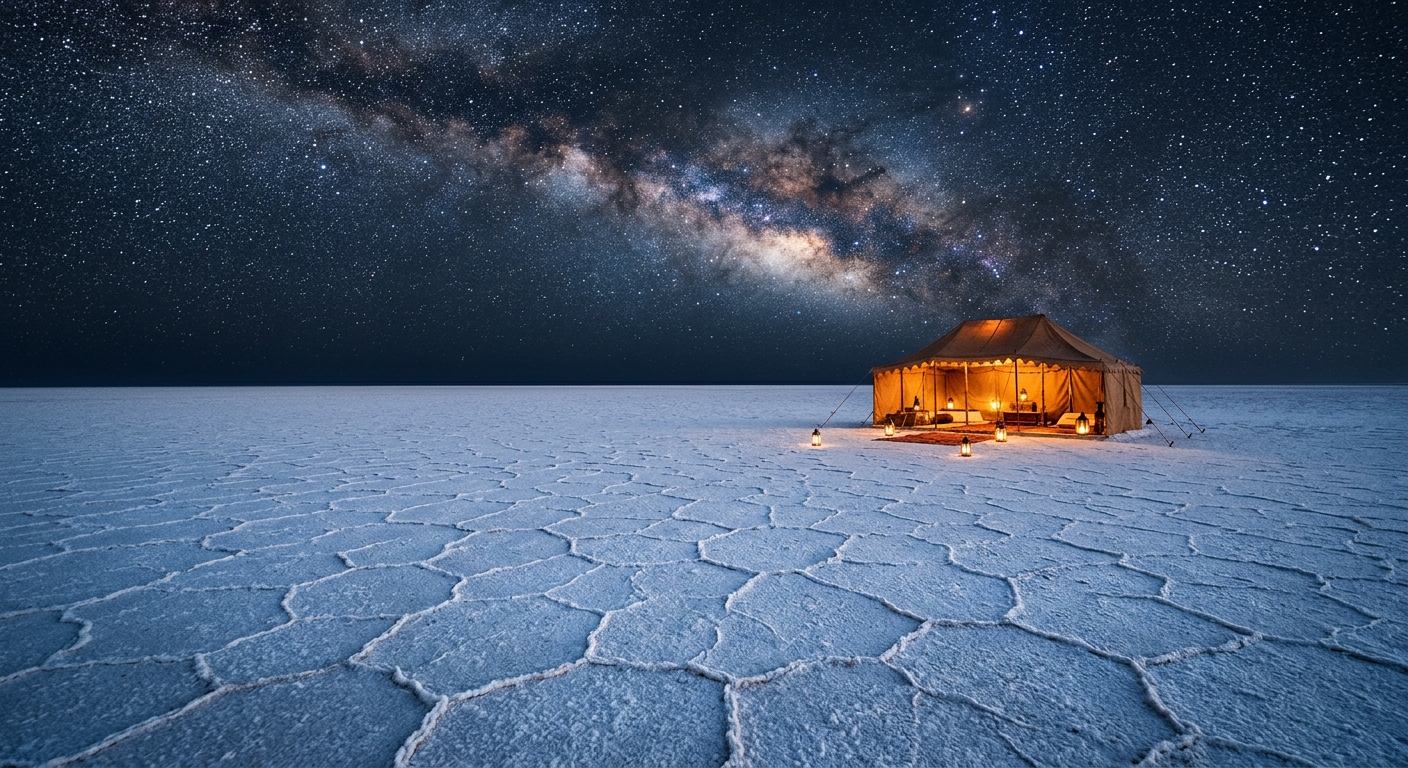
An entirely different geographic experience is found in Gujarat, where a desert safari in india takes the form of exploring vast salt flats. The Great Rann of Kutch is one of the largest salt deserts in the world, covering approximately 7,500 square kilometers. During the monsoon season, the region is submerged in water, but as the water evaporates, it leaves behind a brilliant, blinding white crust of salt that stretches to the horizon.
Unlike the sandy dunes of Rajasthan, this salt-based desert safari in india offers a dramatic visual contrast under the moonlight. The annual Rann Utsav cultural festival provides structured luxury tent accommodations, culinary showcases, and regional folk performances. Exploring this unique salt desert safari in india via specialized all-terrain vehicles or camel carts provides a stark, minimalist aesthetic completely distinct from the golden dunes of the Thar.
The sheer emptiness of the Rann of Kutch is both disorienting and spectacular. Standing in the middle of this white expanse, where the horizon completely disappears, is a unique sensory experience. For travelers looking to expand their definition of a desert safari in india, this salt desert provides a compelling alternative that highlights the incredible geographical diversity of the Indian subcontinent. At twilight, the horizon of the salt flat experiences a unique optical phenomenon where the white ground and pale sky appear to merge into a single, seamless canvas. This visual illusion creates a powerful sense of infinite space that is deeply moving.
Types of Desert Safari Experiences
The operational structure of a desert journey depends heavily on the chosen transport. Travelers can select traditional, slow-paced methods or modern mechanized alternatives, both offering different advantages in terms of physical engagement, comfort, and speed of exploration.
Classic Camel Safaris
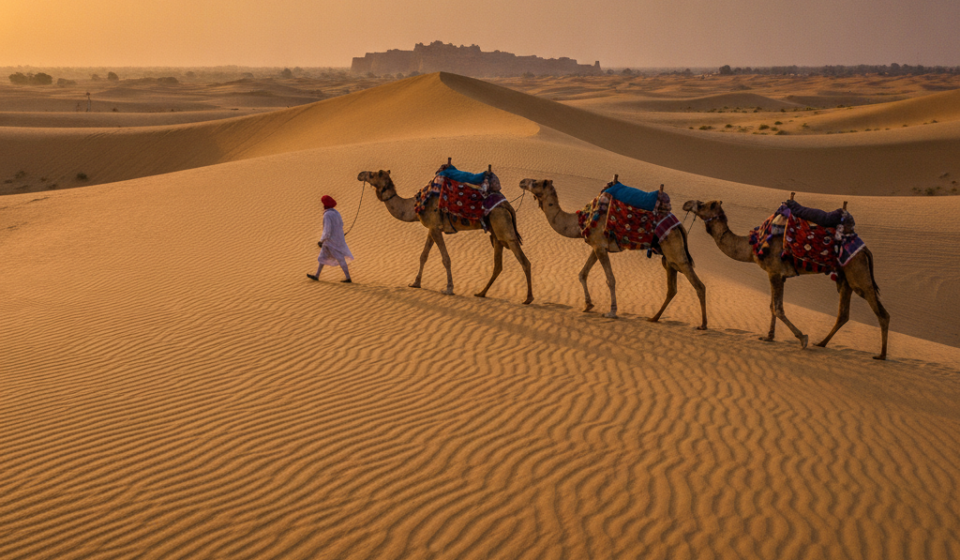
The camel ride remains the most traditional mode of transport for any desert safari in india. Known historically as the “ship of the desert,” the dromedary camel is uniquely adapted to the arid environment, allowing travelers to experience the desert at a measured, authentic pace. These safaris offer varying levels of immersion:
- Sunset Safaris: Short, two-hour rides perfect for capturing golden hour photography and experiencing the dune peaks.
- Overnight Expeditions: A balanced journey including a camel ride, traditional desert dinner, and sleeping under the stars.
- Multi-Day Treks: Intensive journeys where travelers ride from village to village, mimicking ancient caravan trade routes.
Before mounting, local guides demonstrate how the camels are saddled using traditional padded blankets and leather harnesses. This preparation is a cultural ritual in itself, representing centuries of survival knowledge passed down through generations of desert nomads.
Historically, this slower pace has allowed participants of a desert safari in india to appreciate the delicate desert ecosystem, observing small tracks left by nocturnal insects and birds. Riding a camel requires physical flexibility, as the rhythmic gait can be taxing over long distances. It is basically a journey back in time, offering a meditative connection to ancient caravan routes. The steady swaying movement provides a peaceful rhythm that aligns perfectly with the quiet surroundings.
Selecting a reliable operator is crucial for camel travel, as animal welfare directly impacts the journey. Ethical operators ensure that camels are well-hydrated and not overworked. Engaging in an ethically managed desert safari in india supports local camel herders (the Raika community) who have maintained these traditional pastoral lifestyles for generations, ensuring that tourism revenue directly benefits the community.
Thrilling Jeep Safaris and Dune Bashing
For thrill-seekers, 4×4 vehicles have added an exhilarating dimension to the modern desert safari in india. Jeep safaris utilize high-clearance, four-wheel-drive vehicles to navigate steep inclines and sharp drops of the sand dunes. This activity, often referred to as dune bashing (navigating steep sand dunes in a 4×4 vehicle), requires highly skilled drivers who understand how to handle shifting sands. These mechanized tours typically utilize modified open-top 4×4 utility vehicles, such as the iconic Mahindra Thar. These sturdy machines are specifically engineered to navigate high-angle slopes and deep sand pockets without succumbing to the intense heat.
This high-speed adventure has quickly become a sought-after component of a desert safari in india, particularly in the Sam region of Jaisalmer. The sudden drops and rapid ascents provide an adrenaline rush comparable to a roller coaster. Jeep safaris also allow travelers to cover larger distances in a shorter period, making it possible to visit remote archaeological ruins and distant water reservoirs that remain hidden deep within the sandy folds.
Safety remains a primary consideration during dune bashing. Before booking a high-speed vehicle excursion, ensure your tour meets the following criteria:
- Vehicle Safety: Certified 4×4 vehicles equipped with robust roll cages and secure, fully functioning seat belts.
- Experienced Drivers: Drivers who hold specialized training in maneuvering shifting desert sand slopes.
- Recovery Gear: Standard safety equipment onboard, including sand ladders, pressure gauges, and heavy-duty tow ropes.
For those planning a desert safari in india, verifying that the chosen operator maintains these rigorous safety standards is essential to ensure an enjoyable and injury-free adventure. It is also wise to ensure that the tour vehicle carries standard recovery equipment, such as sand ladders and tow ropes.
Night Safaris and Stargazing
The nocturnal version of a desert safari in india shifts the focus from physical adrenaline to celestial observation. Because the desert environments of western India are sparsely populated, they suffer from minimal light pollution, making the dunes an ideal location for stargazing. On clear nights, the celestial canopy is revealed in stunning detail, providing a natural spectacle that urban centers can never replicate. In addition to celestial viewing, night-time explorations reveal the fascinating survival tactics of nocturnal desert wildlife. With specialized low-impact lights, travelers can spot desert geckos, owls, and small rodents that remain hidden during the day.
Stargazing in the pollution-free skies of Rajasthan is arguably the most memorable part of a night-time desert safari in india. Many operators offer specialized night safaris that begin after dinner. These excursions combine a quiet jeep ride into the deep dunes with telescope viewings led by local astronomical guides, offering a stark contrast to the daytime bustle. The cool night air carries a sense of profound stillness that relaxes the mind.
For photography enthusiasts, a night-time desert safari in india provides excellent opportunities for astrophotography. Capturing the stars over the silhouettes of dunes requires patience and specific camera settings, but the results are spectacular. This tranquil experience offers a perfect counterpoint to the high-energy activities of the day, allowing for quiet reflection under the vast expanse of the cosmos.
Planning Your Desert Safari in India: Essential Logistics
Translating travel aspirations into reality requires mastering key logistics. Given the extreme conditions, preparation is the difference between a successful expedition and an uncomfortable ordeal. Comprehensive planning ensures that every phase of the journey remains safe, comfortable, and memorable.
Best Time to Visit
Identifying the optimal season is critical when scheduling a desert safari in india. The desert regions of Rajasthan and Gujarat experience severe climate extremes, with summer temperatures often exceeding 45 degrees Celsius (depending on the specific week of the season). Consequently, executing a desert safari in india during summer is highly discouraged due to extreme heat.
The ideal window for a desert safari in india is from October to March, when the daytime temperatures are mild, ranging from 20 to 30 degrees Celsius. However, travelers must prepare for dramatic temperature drops at night. In December, nocturnal temperatures can plummet to roughly 2 to 5 degrees Celsius, necessitating heavy thermal clothing. This sudden shift caught many early explorers off guard, but modern gear makes it easy to manage.
Accommodation Options: From Luxury Camps to Budget Stays
Accommodation standards vary widely when selecting a desert safari in india package. The market caters to all budgets, from basic overnight camping setups to ultra-luxury permanent tented resorts that feature modern plumbing, air conditioning, and fine dining. Understanding these differences helps align expectations with the reality of the desert environment.
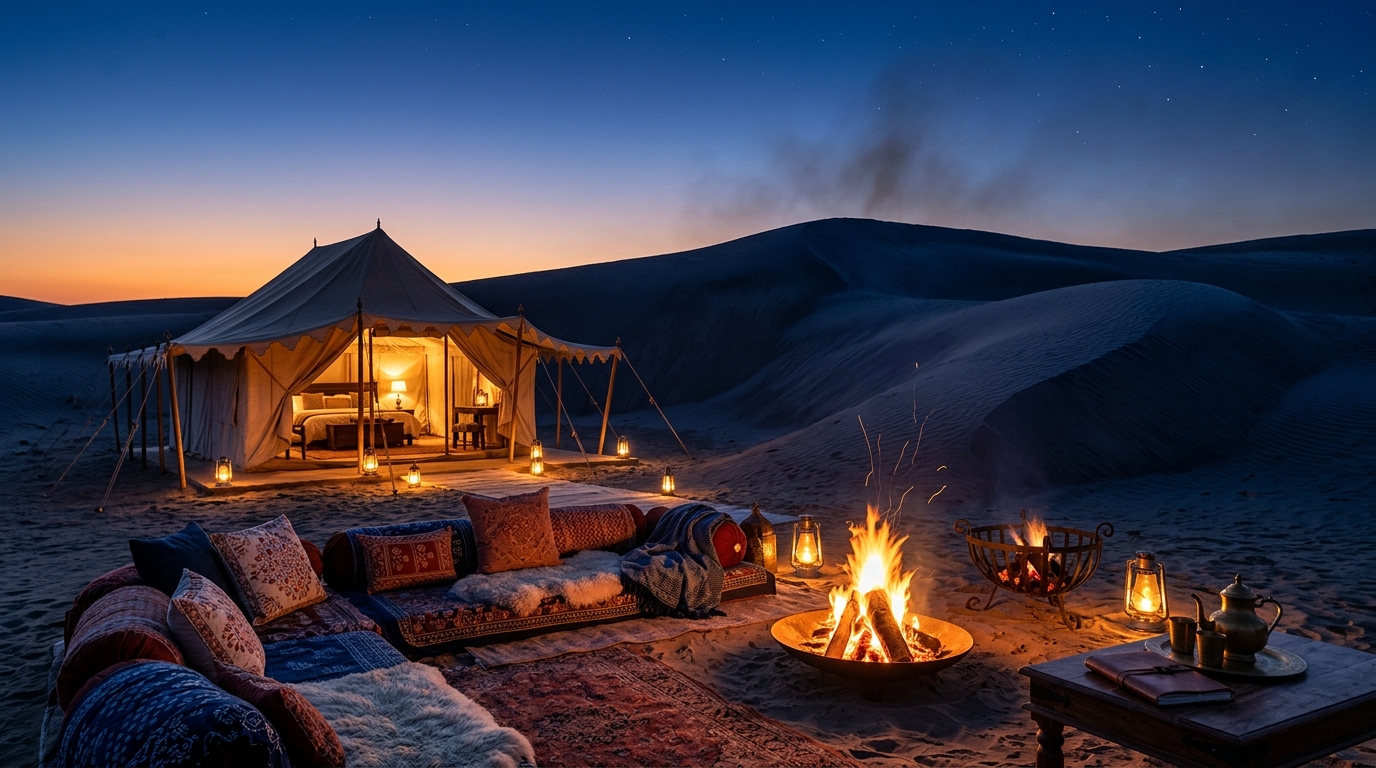
For luxury seekers, glamping (glamorous camping) has elevated the standard of a desert safari in india. These premium camps, situated in private dunes, provide a serene environment with personalized service, cultural performances, and fine dining. Conversely, budget-conscious travelers can opt for simpler Swiss-style tents or choose to sleep under the open sky on simple mattresses, which remains popular for stargazing enthusiasts.
Let us examine the primary accommodation categories to assist in your selection:
| Accommodation Type | Key Features | Ideal For | Approximate Cost Range (INR) |
|---|---|---|---|
| Ultra-Luxury Glamping | Air-conditioned swiss tents, private attached bathrooms, customized dining, swimming pools. | Couples, luxury travelers, corporate retreats. | 15,000 – 35,000 per night |
| Standard Desert Camps | Standard canvas tents, attached western toilets, buffet meals, evening cultural programs. | Families, mid-range tour groups. | 4,000 – 10,000 per night |
| Basic/Open-Sky Camping | Cotton bedding on sand dunes, campfire meals, shared basic facilities, ultimate stargazing. | Backpackers, adventure seekers, photographers. | 1,500 – 3,500 per night |
Key Packing List and Dress Code
A detailed checklist ensures travelers do not compromise comfort during a desert safari in india. The transition from hot daytime sun to cold night winds requires layered clothing. Packing appropriately prevents the harsh environment from disrupting your journey.
Here is a recommended list of items to pack for your journey:
- Breathable clothing: Loose cotton garments and long trousers to prevent chafing during camel rides.
- Warm layers: Fleece jackets and thermal innerwear for cold desert nights.
- Sun protection: Broad-spectrum sunscreen (SPF 50+ recommended), sunglasses, and a wide-brimmed hat.
- Footwear: Sturdy closed-toe shoes to protect against hot sand and potential desert fauna.
- Hydration and health: Reusable insulated water bottles, rehydration salts, and basic first-aid supplies.
- Optical gear: Camera with dust-protection covers and power banks.
Safety and Responsible Tourism Guidelines
Adhering to local customs and environmental guidelines is mandatory for anyone participating in a desert safari in india, as this fragile ecosystem remains highly susceptible to human impact. Responsible tourism helps preserve the delicate balance of the environment.
Travelers should ensure that operators adhere to environmental standards, particularly regarding waste disposal. Plastic waste is a significant threat to wildlife, as animals often ingest discarded wrappers. Respecting local communities, such as the Bishnoi tribe of Rajasthan, is essential. Avoid taking photographs of residents without permission and dress modestly when visiting rural villages.
Furthermore, water is precious in these arid zones. Conserving water during your stay at camps is an important ethical practice. Many camps utilize solar energy, and supporting these eco-friendly establishments helps minimize the carbon footprint. By making conscious choices, tourists help preserve these landscapes for future generations. Professional operators always carry satellite communication devices or high-frequency radios, as cellular coverage in deep sand dunes can be highly unreliable. Familiarizing yourself with basic emergency protocols before departure is a simple step that significantly enhances your personal safety.
Frequently Asked Questions (FAQs)
What is the cost of a desert safari in India?
The cost of a desert safari in india depends on the destination, duration, and luxury levels. A basic sunset camel ride can cost roughly 1,500 to 2,500 INR. Mid-range packages with jeep safaris, camp stays, and meals typically range from 4,000 to 8,000 INR per night. Premium glamping experiences can exceed 25,000 INR per night, offering luxury amenities.
Is a desert safari safe for families and children?
Yes, a desert safari is safe for families, provided standard precautions are observed. Jeep safaris and camel rides are managed by experienced handlers. However, dune bashing can be bumpy and may not be suitable for pregnant women, elderly individuals, or infants. Communicate any physical limitations to the operator before booking.
What should I wear during a desert safari?
During the day, lightweight, loose cotton clothing is recommended to protect against sun and sand. As evening temperatures drop, change into warm layers such as a fleece jacket or sweater. Closed-toe shoes are essential to navigate the sandy, rocky terrain safely.
How long does a typical desert safari last?
The duration of a typical desert safari in india varies from a three-hour sunset tour to a multi-day expedition. Most tourists opt for an overnight package starting in the afternoon, including a camel ride, cultural dinner, camp stay, and breakfast the next morning. Thus, duration depends entirely on physical endurance and cultural interest of those booking a desert safari in india.
Conclusion
An immersive desert safari in india is far more than a simple tourist excursion. It is a profound encounter with a landscape defined by stark geological beauty, resilient wildlife, and rich cultural traditions. Whether choosing a camel ride in Jaisalmer, exploring ancient temple ruins near Jodhpur, or witnessing the white salt flats of the Great Rann of Kutch, the experience remains unforgettable. By planning your trip during the cooler months, selecting appropriate accommodations, and respecting environmental guidelines, you can ensure a safe, thrilling, and highly rewarding adventure in the heart of India’s majestic wilderness.