
Heritage travel since it first captured the global imagination has often centered on singular, iconic monuments. For decades, a trip to India meant catching a sunrise at the Taj Mahal before quickly moving on. Today, that approach feels incomplete. Modern journeys demand deeper immersion into the architectural marvels, ancient forest sanctuaries, and evolutionary milestones that define the subcontinent. To truly appreciate this civilizational legacy, exploring the 42 world heritage sites in India offers an unparalleled adventure. This expansive collection represents thousands of years of artistic mastery, spiritual devotion, and ecological diversity. From the rock-cut caves of the Deccan to the high-altitude peaks of the Himalayas, these locations tell a story of a culture that has continuously reinvented itself while preserving its deepest roots. This comprehensive guide explores the 42 world heritage sites in India to help travelers design a truly meaningful historic itinerary.
- Unmatched Diversity: The list of 42 world heritage sites in India includes 34 cultural wonders, 7 natural ecosystems, and 1 unique mixed-criteria site.
- Global Recognition: Administered by UNESCO and managed locally by the Archaeological Survey of India (ASI), these sites reflect millennia of architectural and ecological heritage.
- The Ultimate Mixed Site: Khangchendzonga National Park in Sikkim remains India’s only mixed heritage site, celebrated for both its sacred cultural value and stunning biodiversity.
- Seasonal Planning: Visiting these destinations requires regional planning, as optimal times range from winter months for plains/deserts to summer for high-altitude Himalayan parks.
Categorising the UNESCO World Heritage Sites in India
The United Nations Educational, Scientific and Cultural Organization (UNESCO) designates these properties based on their Outstanding Universal Value to humanity. To understand the sheer diversity of these locations, one must look at how they are classified. The complete list of 42 world heritage sites in India consists of cultural wonders, pristine natural environments, and one mixed-criteria landscape. This classification helps in managing and preserving these sites through targeted conservation methods led by the Archaeological Survey of India (ASI), which is the primary government body overseeing structural preservation. According to UNESCO, India hosts 42 recognized heritage properties as of late 2023.
Let us look at how the 42 world heritage sites in India are distributed geographically and categorically. The table below provides a clear breakdown of these classifications and their key attributes, showing the immense scope of the country’s heritage assets.
| Category | Total Sites | Primary Characteristics |
|---|---|---|
| Cultural | 34 | Historical monuments, ancient cities, archaeological ruins, and architectural marvels. |
| Natural | 7 | Pristine national parks, unique wildlife habitats, and mountainous biosphere reserves. |
| Mixed | 1 | Destinations displaying both extraordinary cultural history and exceptional natural beauty. |
Each of these categories requires a highly specialized conservation approach tailored to its specific structural or ecological needs:
- Cultural Sites: Require ongoing physical stabilization, chemical cleaning of ancient murals, and structural reinforcement to withstand heavy foot traffic.
- Natural Sites: Demand strict anti-poaching patrols, invasive species management, and environmental monitoring to safeguard delicate native biodiversity.
- Mixed Sites: Necessitate a dual strategy that balances physical ecosystem protection with the preservation of indigenous cultural rights and sacred traditions.
The Cultural Heritage Sites in India
Among the cultural category of the 42 world heritage sites in India, architectural landmarks dominate the scenery. These 34 cultural heritage sites cover thousands of years of dynastic history, reflecting the artistic peaks of the Mauryas, Guptas, Cholas, Mughals, and various Rajput clans. Here is a detailed look at each of these remarkable locations.
- Ajanta Caves (Maharashtra):
These ancient rock-cut Buddhist temples date from the second century BCE. The caves are famous for their magnificent paintings, depicting Jataka tales. When looking at the 42 world heritage sites in India, the Ajanta Caves represent some of the oldest Buddhist rock-cut temples, carved directly into a steep cliff side.
- Ellora Caves (Maharashtra):
This complex features 34 rock-cut monasteries and temples carved out of the basalt cliffs. It represents religious harmony with Hindu, Buddhist, and Jain monuments side-by-side. As we delve deeper into the 42 world heritage sites in India, the Ellora Caves stand out for their dramatic rock-cut structures, particularly the monolithic Kailash Temple.
- Agra Fort (Uttar Pradesh):
This red sandstone fortress was the main residence of the Mughal emperors until 1648. The complex contains several palaces, designed with a blend of Persian and Hindu architectural features. No exploration of the 42 world heritage sites in India is complete without visiting the iconic Agra Fort. For travelers eager to see this fortress firsthand, booking a tailored tour through the TravelDham Agra packages simplifies the entire journey.
- Taj Mahal (Uttar Pradesh):
This white marble mausoleum was commissioned in 1632 by Emperor Shah Jahan to house the tomb of his wife, Mumtaz Mahal. It represents the pinnacle of Mughal art and symmetry. A pinnacle of global architectural history, the Taj Mahal remains the most famous of the 42 world heritage sites in India.
- Sun Temple, Konark (Odisha):
Built in the 13th century, this monument is shaped like a colossal chariot dedicated to the Sun God, Surya. The temple features 24 intricately carved stone wheels pulled by seven horses. The Sun Temple at Konark is another masterpiece within the 42 world heritage sites in India.
- Group of Monuments at Mahabalipuram (Tamil Nadu):
This collection of coastal sanctuaries was founded by the Pallava kings in the 7th and 8th centuries. The site is famous for its rathas, cave temples, and the Descent of the Ganges relief. When tracking the historical timeline of the 42 world heritage sites in India, the monuments of Mahabalipuram showcase the early structural brilliance of the Pallava dynasty.
- Churches and Convents of Goa:
Constructed by Portuguese colonizers between the 16th and 18th centuries, these buildings illustrated European art styles across Asia. The historic churches and convents of Goa add a distinct European colonial chapter to the 42 world heritage sites in India, with the Basilica of Bom Jesus housing the relics of Saint Francis Xavier.
- Khajuraho Group of Monuments (Madhya Pradesh):
Built by the Chandela Dynasty, these temples are famous for their Nagara-style architecture and expressive, erotic carvings. If you are fascinated by exquisite temple carvings, the Khajuraho Group of Monuments is a highlight among the 42 world heritage sites in India.
- Group of Monuments at Hampi (Karnataka):
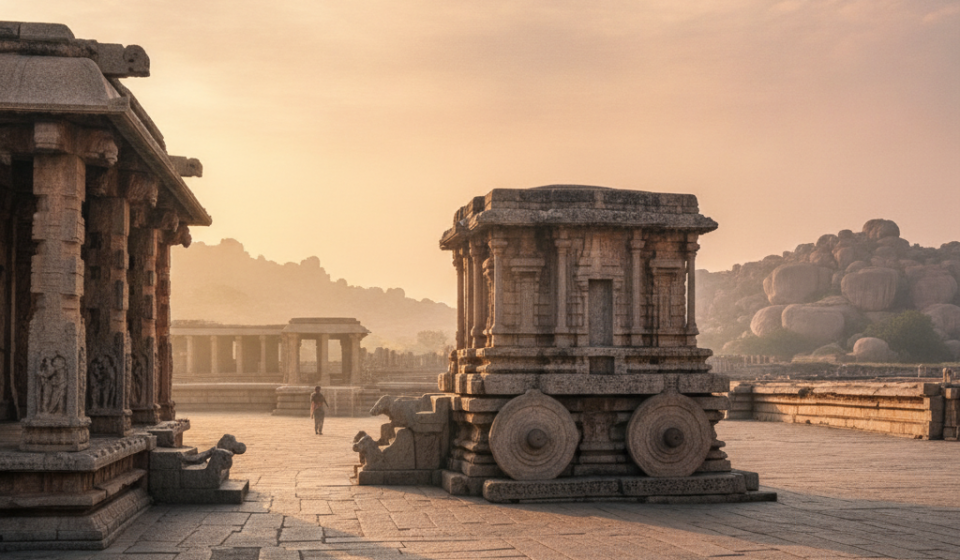
This site covers the ruins of the last great Hindu Kingdom of Vijayanagara. The sprawling ruins include the Virupaksha Temple and the Vitthala Temple with its stone chariot. The sprawling ruins of Hampi demonstrate the architectural heights of the Vijayanagara Empire and represent a key location within the 42 world heritage sites in India.
- Fatehpur Sikri (Uttar Pradesh):
Founded by Emperor Akbar in 1571, this fortified city served as the capital of the Mughal Empire for roughly 14 years before being abandoned due to water shortages. Akbar’s short-lived capital of Fatehpur Sikri is a fascinating stop when exploring the 42 world heritage sites in India.
- Group of Monuments at Pattadakal (Karnataka):
This site displays a blend of northern Nagara and southern Dravidian architectural styles under the Chalukya Dynasty. The complex features nine major Hindu temples and a Jain sanctuary, Virupaksha being the most prominent.
- Elephanta Caves (Maharashtra):
Located on an island near Mumbai, this cave network contains rock-cut sculptures dedicated to Lord Shiva, dating back to the 5th century. The Elephanta Caves, located near Mumbai, are another crucial part of the 42 world heritage sites in India.
- Great Living Chola Temples (Tamil Nadu):
This site includes three exceptional 11th and 12th-century temples: Brihadisvara at Thanjavur, Gangaikondacholapuram, and Airavatesvara. The Great Living Chola Temples in Tamil Nadu showcase Dravidian craftsmanship and remain active places of worship among the 42 world heritage sites in India.
- Buddhist Monuments at Sanchi (Madhya Pradesh):
Commissioned by Emperor Ashoka in the 3rd century BCE, this sanctuary features the oldest stone stupa in the country, containing beautifully carved gateways depicting Buddhist legends.
- Humayun’s Tomb (Delhi):
Constructed in 1570, this garden tomb was the first grand dynastic mausoleum in India, introducing the double-dome technique. In Delhi, Humayun’s Tomb stands as a grand precursor to the Taj Mahal and is highly popular among visitors touring the 42 world heritage sites in India.
- Qutb Minar and its Monuments (Delhi):
This 73-meter tall red sandstone tower was built in the early 13th century. The complex contains the Alai Darwaza, the Quwwat-ul-Islam Mosque, and the famous iron pillar. The towering Qutb Minar complex is another remarkable Delhi monument included in the 42 world heritage sites in India.
- Mountain Railways of India:
This property comprises the Darjeeling Himalayan Railway, the Nilgiri Mountain Railway, and the Kalka-Shimla Railway, representing exceptional engineering across rugged mountain terrains. The Mountain Railways of India present a unique engineering feat and a scenic journey among the 42 world heritage sites in India.
- Mahabodhi Temple Complex at Bodh Gaya (Bihar):
This highly sacred temple complex marks the exact location where Siddhartha Gautama attained spiritual enlightenment under the sacred Bodhi Tree in approximately 531 BCE.
- Rock Shelters of Bhimbetka (Madhya Pradesh):
These shelters house prehistoric rock paintings from the Mesolithic period, depicting dance and hunting in the Vindhyan range.
- Champaner-Pavagadh Archaeological Park (Gujarat):
This unexcavated archaeological zone contains a wealth of ruins, representing a transitional phase between Hindu and Islamic architectural styles.
- Chhatrapati Shivaji Terminus (Mumbai):
This historic station, designed by Frederick William Stevens in 1887, blends Italian Gothic Revival style with traditional Indian palace architecture.
- Red Fort Complex (Delhi):
Built in 1648 by Shah Jahan, this red sandstone fort served as the political nerve center of the Mughal Empire, reflecting a refined synthesis of Persian and Hindu traditions.
- The Jantar Mantar, Jaipur (Rajasthan):
Among the scientific wonders within the 42 world heritage sites in India, the Jantar Mantar observatory in Jaipur stands out. Built by Maharaja Sawai Jai Singh II in 1734, it contains nineteen astronomical instruments. Exploring the Jantar Mantar is highly rewarding, and visitors can easily bundle it with other royal sites using customized TravelDham Jaipur tours.
- Hill Forts of Rajasthan:
The majestic Hill Forts of Rajasthan are scattered across the desert state, offering deep historical value to the list of 42 world heritage sites in India. This entry includes six massive stone fortresses that exemplify Rajput military planning.
- Rani-ki-Vav (Patan, Gujarat):
This stepwell was built in the 11th century as a memorial to King Bhimdev I. Structured as an inverted temple, it features seven levels detailed with Vaishnavite stone carvings.
- Archaeological Site of Nalanda Mahavihara (Bihar):
This site contains the ruins of a Buddhist monastery and university that operated from the 5th to the 12th century, illustrating India’s ancient legacy of higher education.
- The Architectural Work of Le Corbusier (Chandigarh):
The Capitol Complex in Chandigarh showcases the innovative techniques of the modern movement, representing a radical departure from traditional design.
- Historic City of Ahmadabad (Gujarat):
Founded in the 15th century, this fortified urban center features unique wooden houses clustered along narrow streets, showcasing a sustainable living system.
- Victorian Gothic and Art Deco Ensembles of Mumbai:
This collection showcases public Neo-Gothic buildings alongside 20th-century Art Deco residential facades, capturing Mumbai’s rapid urban transition.
- Jaipur City (Rajasthan):
The historic Jaipur City, also known as the Pink City, is a beautifully planned grid-pattern urban center and a crown jewel of the 42 world heritage sites in India. Founded in 1727, its streets follow classical urban planning principles.
- Kakatiya Rudreshwara (Ramappa) Temple (Telangana):
Constructed in 1213 CE, this temple features delicate carved pillars, double-carved screens, and lightweight floating bricks made from sawdust and clay.
- Dholavira: A Harappan City (Gujarat):
Representing ancient urban planning, Dholavira provides an incredible look at the Harappan civilization within the 42 world heritage sites in India. The city features a fortified layout and sophisticated water harvesting dams.
- Santiniketan (West Bengal):
Developed into Visva-Bharati University by Rabindranath Tagore, this site promoted an alternative educational philosophy of learning under open skies.
- Sacred Ensembles of the Hoysalas (Karnataka):
This entry includes three temple complexes at Belur, Halebidu, and Somanathapura, renowned for star-shaped floor plans and detailed soapstone carvings.
| Regional Circuit | Key Sites Included | Recommended Duration | Best Travel Window |
|---|---|---|---|
| The Golden Triangle | Taj Mahal, Agra Fort, Fatehpur Sikri | 3–4 Days | October to March |
| Deccan Heritage Loop | Ajanta Caves, Ellora Caves, Elephanta Caves | 4–5 Days | November to February |
| Southern Dynasties Route | Group of Monuments at Mahabalipuram, Great Living Chola Temples | 5–6 Days | November to January |
| Royal Rajasthan Circuit | Hill Forts of Rajasthan, Jantar Mantar (Jaipur), Jaipur City | 6–7 Days | October to March |
The Natural Heritage Sites in India
The natural heritage sites in India protect exceptionally rich ecosystems and critical habitats for global biodiversity. These seven sites preserve wild environments ranging from coastal mangrove wetlands to high alpine pastures in the northern mountain ranges.
- Kaziranga National Park (Assam):
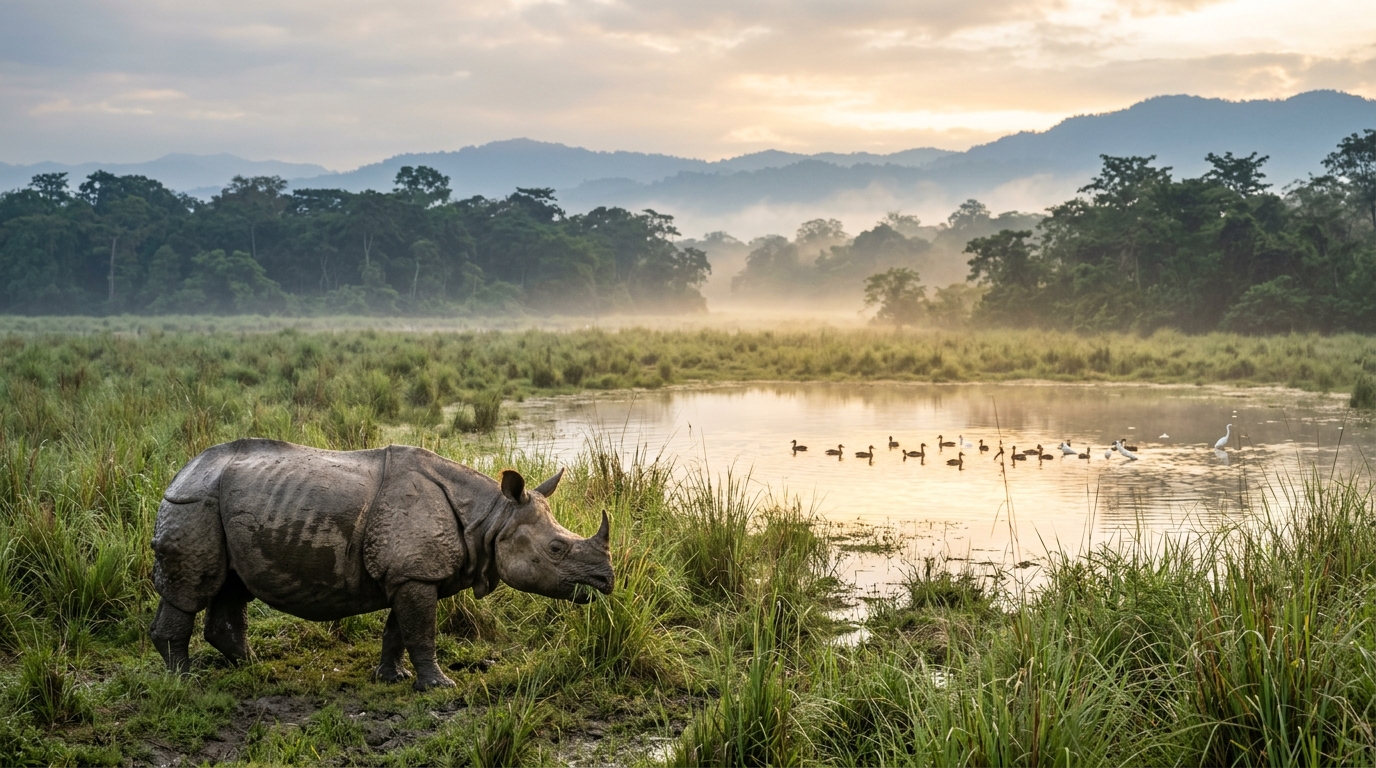
For wildlife enthusiasts, Kaziranga National Park is a prominent natural reserve featured in the 42 world heritage sites in India. This sanctuary hosts roughly two-thirds of the world’s great Indian one-horned rhinoceroses. To plan a safari here, travelers can check the TravelDham Assam Meghalaya packages for custom wildlife experiences.
- Keoladeo National Park (Bharatpur, Rajasthan):
This artificial wetland sanctuary is a premier wintering ground for palearctic migratory waterfowl. Serving as a crucial ecological refuge, it attracts thousands of rare bird species annually from Siberia and Central Asia, making it a critical research site for ornithologists.
- Manas Wildlife Sanctuary (Assam):
Located on a gentle slope in the foothills of the Himalayas, this sanctuary features pristine tropical forests and grasslands. It provides a highly protected habitat for endangered endemic species such as the pygmy hog, golden langur, and hispid hare.
- Sundarbans National Park (West Bengal):
This vast coastal mangrove forest is situated at the delta of the Ganges and Brahmaputra rivers. It supports a unique, highly adapted population of Bengal tigers and provides a vital breeding ground for diverse estuarine species.
- Nanda Devi and Valley of Flowers National Parks (Uttarakhand):
These two complementary parks in the West Himalayas protect spectacular wilderness areas, featuring steep mountain gorges, glaciers, and high-altitude alpine meadows filled with diverse endemic flowers.
- Western Ghats (Multiple States):
This continuous mountain range is older than the Himalayas, representing a global biodiversity hotspot. The forest ecosystems contain exceptional levels of endemic flora and fauna, heavily influencing the monsoon weather patterns across the peninsula.
- Great Himalayan National Park Conservation Area (Himachal Pradesh):
Located in the western part of the Himalayan range, this park protects fragile alpine meadows, riverine forests, and high peaks. It supports threatened wildlife species like the snow leopard and the Western Tragopan pheasant.
The Mixed Heritage Site in India
Mixed-criteria properties must display exceptional significance in both cultural history and environmental biodiversity. This is a rare distinction globally, and India possesses exactly one such location that meets these strict standards.
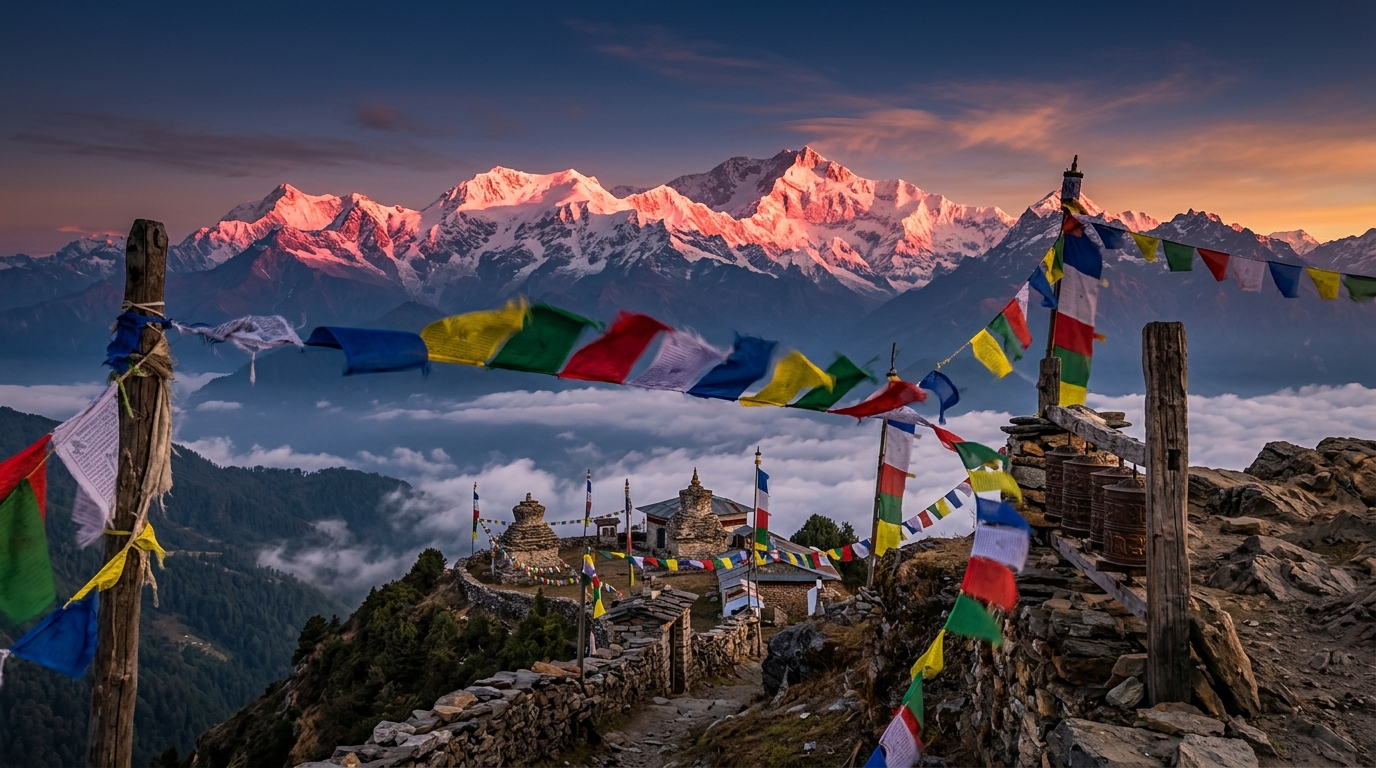
Khangchendzonga National Park stands as the sole mixed destination among the 42 world heritage sites in India, seamlessly bridging cultural sacredness with world-class natural biodiversity.
Located in the heart of Sikkim, this spectacular national park features the majestic Mount Khangchendzonga, which is the third highest peak in the world. It is celebrated globally for two distinct reasons:
- Ecological Richness: The park protects ancient temperate forests, vertical glaciers, and steep mountain valleys that serve as crucial habitats for endangered species like the elusive red panda and snow leopard.
- Spiritual Significance: The entire landscape is deeply integrated into local folklore. For the indigenous Lepcha people and Tibetan Buddhists, the towering peaks are revered as sacred guardians, with numerous natural landmarks tied directly to Buddhist holy narratives.
This delicate balance of active spiritual reverence and rigorous environmental preservation makes it a truly unique global treasure.
Practical Travel Tips for Exploring UNESCO Sites in India
To make your journey across the 42 world heritage sites in India comfortable and seamless, proper planning is essential. These historical and natural sites are spread across vast geographical regions, each presenting distinct weather patterns and accessibility challenges. Implementing a few strategic travel habits can elevate your exploration from a standard excursion to an unforgettable experience.
- Seasonal Timing:
For sites in Central, Western, and Northern India, the cooler winter months (from October to March) are ideal. Conversely, high-altitude Himalayan parks like the Valley of Flowers are best visited during the summer and monsoon window (July to September) when the wildflowers are in full bloom.
- ASI Rules and Preservation:
Always respect the rules set by the ASI. This includes avoiding flashes inside ancient painted caves like Ajanta, refraining from touching delicate reliefs, and disposing of plastic garbage responsibly.
- Certified Guides:
Hiring local, government-approved guides adds deep historical and mythological context to your visits, transforming obscure stone carvings into vivid historical narratives.
- Regional Routing:
Do not attempt to see these sites in a random sequence. Group them into regional circuits, such as the Golden Triangle (Taj Mahal, Agra Fort, Fatehpur Sikri) or the Deccan Caves loop (Ajanta, Ellora, Elephanta), to optimize your travel time.
Conclusion
India’s heritage is not static. It lives on through active places of worship, resilient architectural wonders, and carefully protected wildlife sanctuaries. Exploring the rich legacy preserved across these sites reveals a civilization that has gracefully weathered centuries of change. Whether you plan to explore a few or aim to visit all 42 world heritage sites in India, partnering with a trusted travel planner makes a massive difference. Planning complex itineraries across diverse states can feel overwhelming, but tailored travel packages offer a stress-free route to exploring these historical wonders. Contacting local experts helps customize your journey to match your specific interests, ensuring that every historic fort, ancient cave, and scenic park on your list is experienced with maximum ease and depth.