
Planning a journey across the southern peninsula of India often reveals a stark truth. Travel here is less about ticking off landmark monuments and more about adjusting to a completely different rhythm of life. The region is vastly different from the northern plains, marked by a slower pace, tropical climates, and distinct linguistic identities. Successfully mapping out a comprehensive south india travel plan requires shifting from a rushed checklist mindset to one of deep immersion. From the structural marvels of ancient temples to the quiet, brackish channels of the coast, this geographic expanse offers a layered travel experience. Achieving the perfect balance between historic exploration and relaxed retreat is the key to an unforgettable journey. A well-designed south india travel plan ensures that travelers do not spend their entire holiday sitting in transit, but rather experiencing the rich local culture firsthand.
Key Takeaways
- Slow Travel Wins: South India’s massive scale and relaxed pace mean focusing on specific regional loops is much more rewarding than rushing across all states.
- Diverse Terrains: From the massive Dravidian stone temples of Tamil Nadu to the tranquil backwaters of Kerala and the rolling coffee hills of Coorg, each state offers a completely distinct experience.
- Peak Season: The best window to visit is November to February when winter weather remains comfortably cool and dry across the peninsula.
- Cost-Effective: South India provides excellent travel value, where mid-range budgets easily cover high-quality boutique heritage stays and private transport.
- Cultural Etiquette: Respect local customs by dressing modestly at temple complexes and practicing footwear removal rules.
Understanding the Diverse Regions of South India
Any successful south india travel plan must first account for the distinct geographic and cultural landscapes of the southern states. Unlike the contiguous plains of the north, the south is bounded by two distinct mountain ranges, the Western Ghats and the Eastern Ghats. These mountain ranges dictate the climate, agriculture, and general lifestyle of the inhabitants. Understanding these physical and cultural divisions helps in tailoring a south india travel plan to personal preferences rather than relying on generic packages.
Understanding these unique regional identities helps travelers customize their routes:
- Tamil Nadu: Occupying the eastern coast, it represents the core of Dravidian arts and classical temple architecture. Here, the focus is largely on historic temples, classical dance, and deeply ingrained religious traditions.
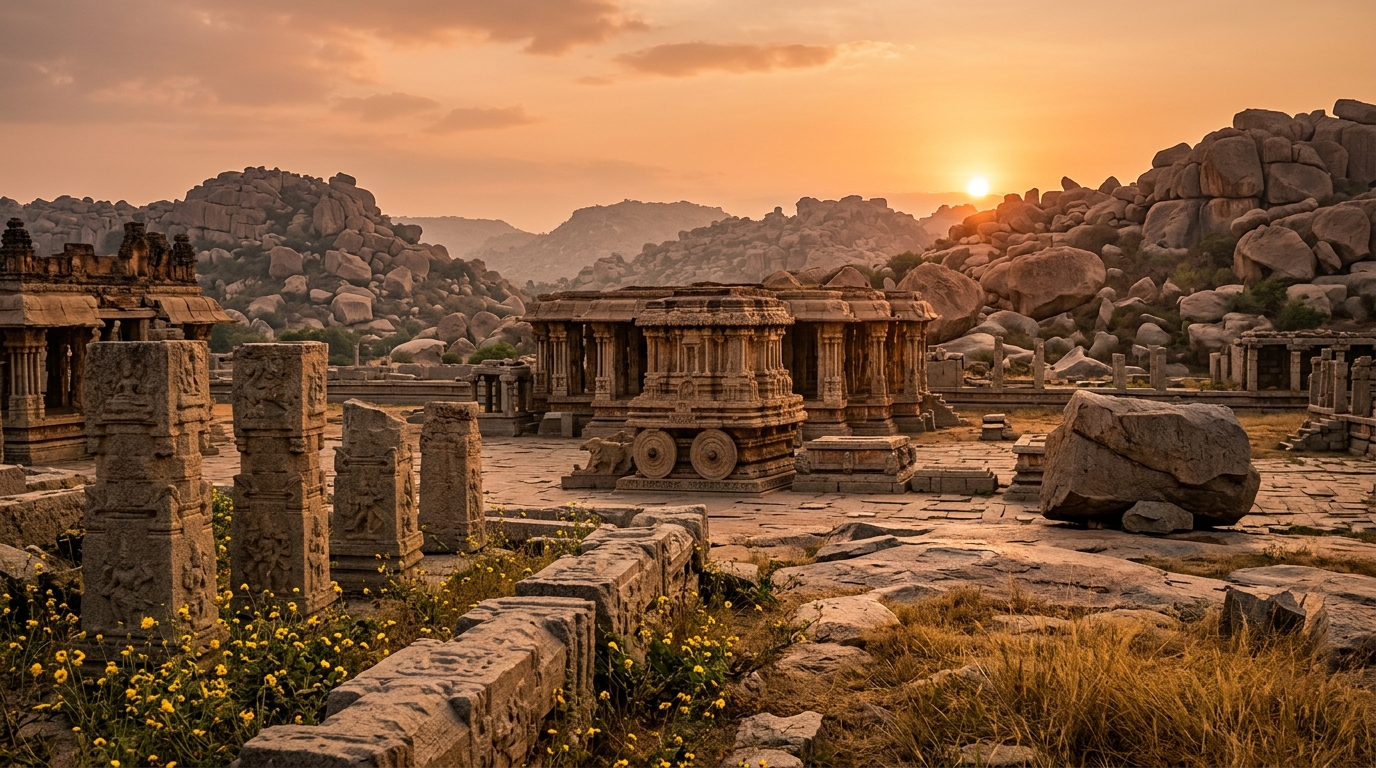
- Karnataka: Lying to the west, it presents an intriguing mix of high-tech cities like Bengaluru, ancient ruins of Hampi, and lush coffee plantations in Coorg.
- Kerala: Positioned on the southwestern coast, it acts as a natural sanctuary, famous for its tropical palm groves, tranquil hill stations, and serene water networks.
- Andhra Pradesh & Telangana: Offering a rich historical legacy dominated by grand Islamic dynasties, rich heritage food, and legendary Hindu pilgrimage centers.
Finally, the Union Territory of Pondicherry (officially Puducherry) provides a distinct colonial contrast with its French Quarter. Recognizing these regional variations is vital. A traveler seeking quiet beaches will have a vastly different route compared to someone wanting to explore medieval palaces. Identifying these priorities early makes the planning process significantly more manageable.
Creating Your Perfect South India Travel Plan Itinerary
Designing a functional south india travel plan itinerary is a balancing act between physical distance and time. The region is massive, and attempting to cover all five states in a single two-week trip is a recipe for travel fatigue. Instead, focusing on thematic routes or specific geographic loops yields a far richer experience. When designing a custom South India itinerary, travelers often find that slow travel is the most rewarding approach. The following curated routes target specific travel styles, allowing for thorough exploration without unnecessary haste.
| Itinerary Route | Suggested Duration | Primary Themes | Must-Visit Stops |
|---|---|---|---|
| The Cultural Classic | 7 to 10 Days | Dravidian heritage, spiritual architecture, and history | Chennai, Mahabalipuram, Pondicherry, Thanjavur, Madurai |
| The Nature Trail | 7 to 10 Days | Tea plantations, wildlife preservation, backwaters | Kochi, Munnar, Thekkady (Periyar), Alleppey (Houseboat) |
| Coastal & Modern Escape | 8 to 12 Days | Urban tech, royal palaces, coastal leisure, coffee hills | Bengaluru, Mysuru, Coorg, Gokarna / Pondicherry |
The Cultural Classic: Tamil Nadu Heritage (7 to 10 Days)
For travelers drawn to ancient architecture, classical music, and spiritual heritage, this route forms the spine of many a classic south india travel plan. The journey typically commences in Chennai, a coastal metropolis that serves as a major entry point. From Chennai, travelers head south to Mahabalipuram, famous for its seventh-century rock-cut monuments and shore temples facing the Bay of Bengal.
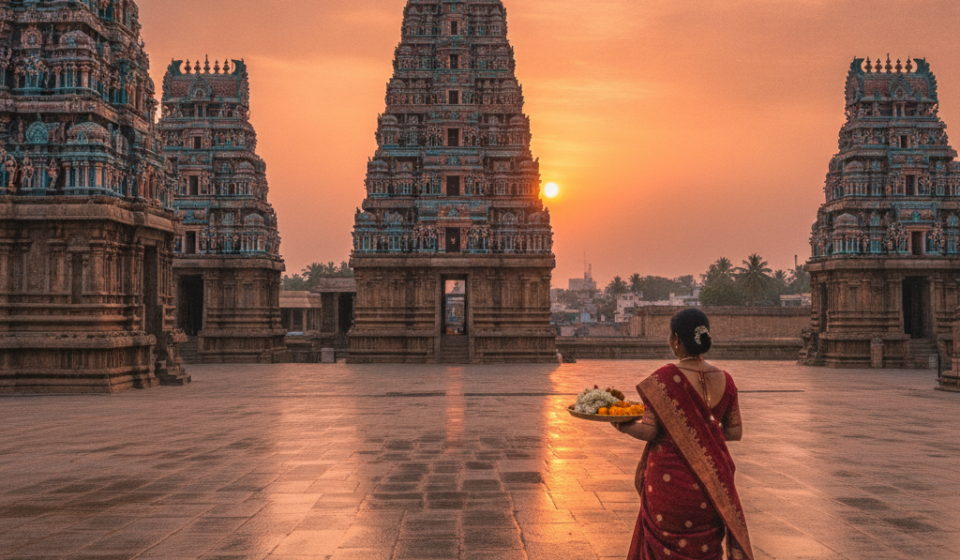
The route then continues inland toward Pondicherry and Thanjavur. Thanjavur is home to the Brihadeeswarar Temple, a thousand-year-old architectural masterpiece constructed entirely of granite. From there, the trail leads through Tiruchirappalli to Madurai, one of the oldest continuously inhabited cities in South Asia. The Meenakshi Amman Temple in Madurai (arguably the spiritual heart of the state) serves as the climax of this cultural exploration, with its towering, multi-colored Gopurams (the ornate entrance towers characteristic of Dravidian design) dominating the city skyline.
According to a 2025 report by the Ministry of Tourism, domestic tourist visits to Tamil Nadu exceeded 280 million, demonstrating the immense appeal of its heritage sites. Including this route in your south india travel plan is ideal for historical appreciation. Booking a curated Tamil Nadu itinerary is an excellent way to handle local transport seamlessly.
The Nature Trail: Kerala Backwaters and Western Ghats (7 to 10 Days)
For those seeking lush green hills, misty plantations, and slow water travel, Kerala is an unmatched destination. This specific route is a vital segment of any nature-focused south india travel plan, starting in the historic port city of Kochi. Kochi offers a blend of Portuguese, Dutch, and British colonial influences alongside traditional Chinese fishing nets.
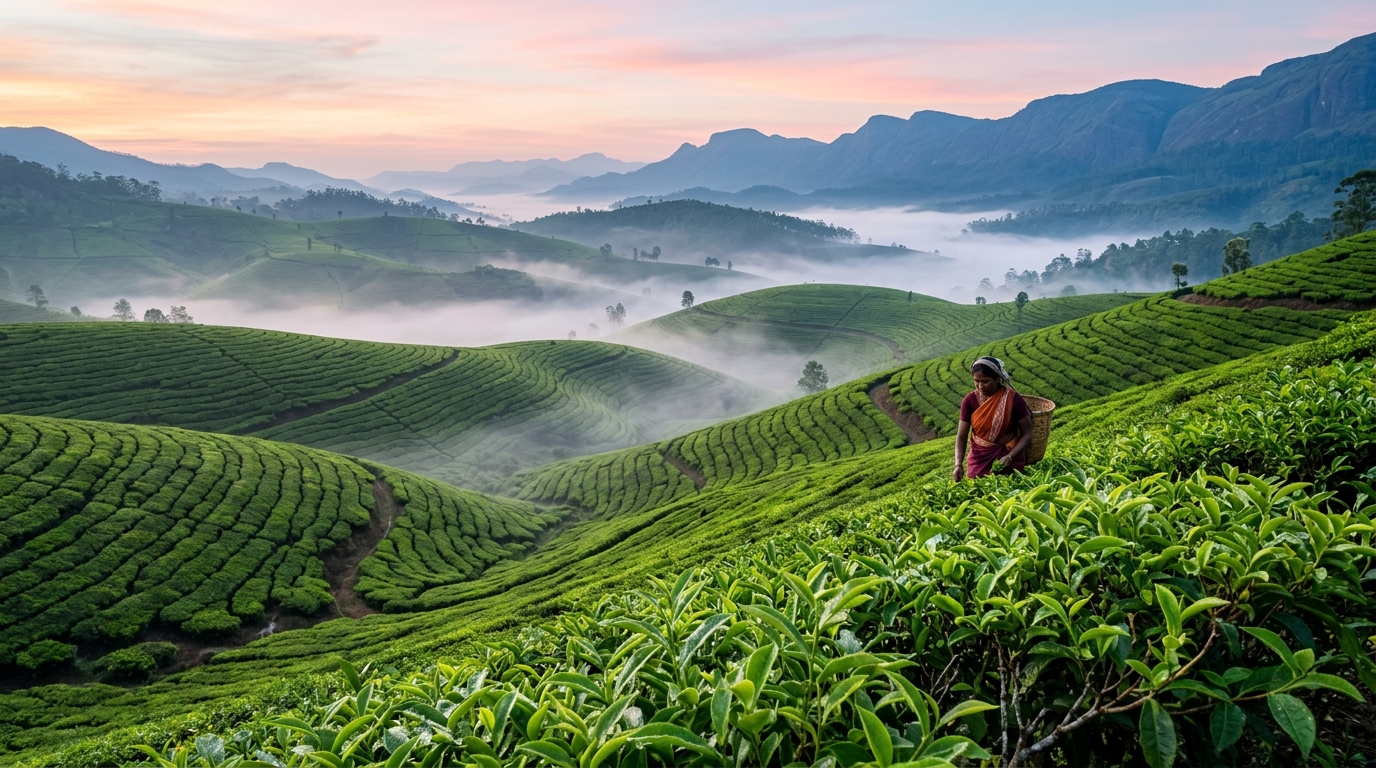
From the coast, the journey ascends into the Western Ghats to Munnar, a premier hill station surrounded by sprawling tea estates. As reported by the Indian Meteorological Department in 2025, winter temperatures in the Western Ghats hover around a comfortable 15 to 22 degrees Celsius, making it ideal for outdoor activities like trekking and plantation tours. Leaving the hills, travelers descend to Thekkady to explore the Periyar National Park, a wildlife sanctuary known for its elephant herds and spice plantations.
The journey culminates in Alleppey, where boarders can charter a traditional Kettuvalam (a large, thatched houseboat) to cruise the backwaters. This slow journey helps balance a busy south india travel plan, offering a quiet, reflective end to the trip. Exploring a tailored Kerala travel package simplifies logistics and secures premium houseboat bookings.
The Coastal and Modern Escape: Karnataka and Pondicherry (8 to 12 Days)
For a trip that combines urban energy, royal history, and pristine coastlines, a route through Karnataka offers immense variety. Travelers will find this path a rewarding south india travel plan option, starting in Bengaluru, the high-tech hub of India. Bengaluru offers a vibrant culinary scene, lush public parks, and a modern lifestyle that contrasts sharply with the rural areas.
From the capital, the route leads to Mysuru, a city renowned for its grand royal palace and rich heritage of sandalwood and silk weavers. Beyond Mysuru, the trail enters the mist-shrouded hills of Kodagu (Coorg), where travelers can stay on coffee plantations and enjoy local Kodava cuisine. For those willing to venture further north, the coastal town of Gokarna offers quiet, undeveloped beaches that serve as a relaxed alternative to busier tourist hubs.
Alternatively, travelers can head east toward the Union Territory of Pondicherry. Integrating these cities into a broader south india travel plan provides a beautiful contrast between the fast-paced modern economy and the quiet, slow-paced lifestyle of colonial coastal towns. The transition from the bustling tech parks of Bengaluru to the quiet, yellow-walled streets of the French Quarter in Pondicherry showcases the incredible diversity of the southern peninsula.
Estimating Your South India Travel Plan Budget
Establishing a realistic south india travel plan budget requires an understanding of the regional economy and travel infrastructure. South India generally offers excellent value for money, but costs can fluctuate significantly based on your travel style and comfort preferences (roughly speaking, mid-range travel offers the most balanced value-to-cost ratio). Estimating a realistic South India budget is crucial for preventing unexpected expenses and ensuring a smooth journey across different states.
Whether you are a budget backpacker utilizing public transport or a luxury traveler seeking heritage hotels, knowing what to expect is essential for calculating an accurate south india travel plan cost. The following breakdown categorizes daily expenses across three main travel tiers, providing a clear framework for your planning.
| Expense Category | Budget Tier (INR / Day) | Mid-Range Tier (INR / Day) | Premium Tier (INR / Day) |
|---|---|---|---|
| Accommodation | ₹800 – ₹1,500 | ₹2,500 – ₹6,000 | ₹8,000 – ₹20,000+ |
| Meals and Dining | ₹300 – ₹600 | ₹1,000 – ₹2,500 | ₹3,500 – ₹7,000 |
| Local Transport | ₹200 – ₹500 (Buses/Trains) | ₹1,500 – ₹3,000 (Auto/Cab) | ₹4,000 – ₹8,000 (Private SUV) |
| Sightseeing & Entry Fees | ₹100 – ₹300 | ₹500 – ₹1,200 | ₹1,500 – ₹3,500 |
| Miscellaneous | ₹150 – ₹300 | ₹500 – ₹1,000 | ₹1,500 – ₹4,000 |
Accommodation Options and Costs
The choice of lodging will naturally shift your south india travel plan expenses. Fortunately, the region offers a wide array of options to suit every preference. Budget travelers can easily find clean guesthouses and homestays, which are particularly popular in places like Kerala and Coorg. These homestays not only save money but also offer a direct look into local family life and traditional home-cooked meals.
In the mid-range tier, boutique hotels and heritage properties predominate. Many old family mansions in Chettinad (Tamil Nadu) or colonial bungalows in Munnar have been converted into beautiful accommodations that offer great comfort without an exorbitant price tag. For luxury travelers, South India features some of the world’s finest five-star resorts, private villas, and historic palaces managed by major luxury hospitality brands. When finalizing accommodation for a south india travel plan, it is highly recommended to book well in advance, especially during the peak winter season when prime properties sell out months ahead.
Food, Transport, and Daily Expenses
Understanding local transport and food costs is a key component of a functional south india travel plan. Dining in the south is remarkably affordable and highly satisfying. Traditional vegetarian meals, often served on a banana leaf, are a staple across Tamil Nadu and Karnataka, costing very little at local eateries (known locally as ‘messes’). Even mid-range restaurants serving fresh coastal seafood or specialty meat dishes offer highly reasonable pricing compared to other major global destinations.
For local transit, public buses and trains are the most economical option. The Indian Railways network is highly efficient for covering long distances. However, for regional exploration within mountainous areas like Munnar or Coorg, hiring a private car with a professional driver is often the most practical choice. This option provides immense flexibility to travel at your own pace. Booking a private vehicle helps you optimize your schedule and avoid inflating your overall south india travel plan budget.
Essential Travel Tips for Your Southern Journey
Preparing for a journey through the southern states involves more than just booking tickets and reserving hotels. The cultural, linguistic, and climatic nuances of the region require a thoughtful approach. Implementing these practical south india travel plan recommendations can help you avoid common travel mistakes and ensure a highly rewarding, hassle-free experience. These essential South India travel tips are designed to help you integrate seamlessly with the local lifestyle and make the absolute most of your time in this beautiful part of the country.
Best Time to Visit South India
Selecting the right season to travel is a crucial element of an effective south india travel plan. The southern peninsula experiences a tropical climate, meaning it remains warm throughout the year. To help you plan your itinerary, here is a detailed seasonal comparison:
| Season | Months | Average Temperatures | Ideal Activities & Highlights |
|---|---|---|---|
| Winter (Peak Season) | November to February | 15°C – 30°C | Exploring heritage monuments, cruising backwaters, beach trips, and trekking. Warm but dry days. |
| Summer (Off-Peak) | March to May | 28°C – 40°C | Visiting hill stations (Munnar, Coorg, Ooty). Coastal lowlands are highly humid. Budget-friendly rates. |
| Monsoon (Green Season) | June to September | 22°C – 32°C | Ayurvedic healing therapies, landscape photography, lush nature tours. Possible transit interruptions. |
While the winter months, specifically from November to February, are widely considered the best time to visit South India, the other seasons offer distinct advantages. For example, the monsoon season, stretching from June to September, brings heavy rainfall and lush, green landscapes. While the monsoon is beautiful for photography and ayurvedic treatments, it can occasionally cause travel disruptions, which is a key consideration when organizing a flexible south india travel plan.
Local Customs and Cultural Etiquette
Cultural sensitivity is immensely important for a culturally respectful south india travel plan. The southern states are home to deeply rooted traditions, and local residents place a high value on respect and modesty. When visiting religious sites, travelers must dress conservatively. Both men and women should cover their shoulders and knees; many traditional temples in Tamil Nadu and Kerala actually require men to wear a traditional dhoti (a piece of cloth wrapped around the waist) and remove their shirts before entering the inner sanctum.
Footwear must always be removed before entering temples and local homes. Additionally, it is customary to use only your right hand when eating food, giving or receiving items, or greeting others, as the left hand is traditionally associated with personal hygiene. While most locals are incredibly warm and forgiving of minor tourist oversights, making a genuine effort to respect these local customs will go a long way in fostering positive interactions and mutual respect during your journey.
- Do: Dress modestly when visiting religious sites, covering shoulders and knees.
- Do: Remove footwear before entering temples, homes, and certain small shops.
- Do: Eat with your right hand when consuming traditional meals served on banana leaves.
- Don’t: Touch sacred idols or enter temple chambers designated exclusively for worshipers.
- Don’t: Wear leather items (belts, wallets, bags) into strict temple complexes.
What to Pack for Your Southern Sojourn
Packing appropriately is another detail that is often forgotten when drafting a south india travel plan. Given the tropical climate, lightweight, breathable cotton clothing is the absolute best choice. Loose garments help keep you cool and dry in the high humidity. However, if your itinerary includes hill stations like Munnar, Coorg, or Ooty, you will need to pack a few warm layers, as temperatures can drop significantly during the evening.
An umbrella or lightweight raincoat is another essential item, regardless of the season, as tropical showers can occur unexpectedly. Sturdy, comfortable walking shoes are vital for exploring ruins and temple complexes, but since you will be removing them frequently, slip-on shoes or sandals are highly practical. Here is a quick packing list of essential items for your south india travel plan:
- Lightweight, breathable cotton or linen clothing
- A light sweater or jacket for high-altitude hill stations (like Munnar or Ooty)
- Comfortable slip-on shoes or walking sandals
- A sturdy umbrella or compact rain poncho
- High-SPF sunscreen, polarized sunglasses, and a wide-brimmed hat
- Effective insect repellent (vital for forested areas and backwaters)
Conclusion
Crafting a comprehensive and thoughtfully structured south india travel plan is the key to unlocking the immense beauty, rich heritage, and tranquil landscapes of this magnificent region. By carefully selecting your route, setting a realistic budget, and respecting local traditions, you can ensure a journey that is both comfortable and deeply enriching. From the majestic granite temples of Tamil Nadu to the misty tea gardens of Kerala, South India offers an incredibly diverse travel experience that rewards those who take the time to travel slowly and appreciate the unique rhythm of the southern peninsula.