

Travel planning has changed completely since the days of leafing through paper brochures at local agencies. Today, modern travelers demand control and personalization, which is why learning how to make tour packages that align with specific preferences has become so crucial. Crafting a custom journey from India involves more than just booking a flight and reserving a hotel room. It requires a systematic approach to research, logistics, and cost control to ensure that every rupee spent delivers maximum value. Understanding how to make tour packages allows travelers to bypass generic templates, skip unwanted sightseeing detours, and focus purely on what makes a journey truly memorable.
Key Takeaways
- Personalization Rules: Custom tour packages allow you to skip generic itineraries and focus purely on your travel preferences.
- Pacing Over Quantity: Adopt the hub-and-spoke model to avoid travel burnout and save transit costs.
- Financial Compliance: Be mindful of TCS and LRS guidelines for international packages to budget accurately.
- Advance Booking: Plan 3–6 months ahead for flights, visas, and accommodation to lock in optimal pricing.
Understanding the Core Components of Tour Package Design
Designing a successful holiday is similar to assembling a complex puzzle. Every single piece must fit perfectly, or the entire experience can feel disjointed. In the travel industry, this is known as tour package design, which is the structured practice of combining transport, accommodation, activities, and local logistics. For the independent traveler, learning how to make tour packages means thinking like a commercial planner while maintaining the flexibility of a solo explorer.
There are two primary models of travel organization. The first is GIT, or Group Inclusive Tour, which refers to the traditional, fixed-itinerary group tours. The second is FIT, or Free Independent Traveler, which is fully customized, flexible, and built around a single party. When studying how to make tour packages, the focus is almost always on the FIT model. This approach gives travelers absolute control over their schedules, allowing them to spend hours in a quiet museum or skip a crowded monument entirely.
To begin this process, one must understand the role of a DMC, or Destination Management Company. These are local operators who handle ground execution, such as private cars, local guides, and regional flight connections. When figuring out how to make tour packages on your own, the goal is essentially to act as your own DMC. This means establishing direct lines of communication with local transport providers and accommodation hosts to cut out the middleman markup.
But still, managing all these moving parts requires a high level of organization. It is not just about choosing pretty hotels on social media. It requires a deep understanding of travel times and seasonal closures. Anyone who wants to master how to make tour packages must treat logistics as the absolute foundation of the trip. Without reliable transport, even the most beautiful luxury hotel will fail to save a poorly designed holiday.
Step 1: Selecting the Destination Based on Seasonality and Budget
The foundation of any successful trip is matching the destination to the correct time of year and a realistic budget. Too often, travelers choose a country based purely on cheap flight tickets, only to find themselves stuck indoors during a tropical monsoon or a freezing winter. When learning how to make tour packages, seasonality should be the very first filter applied to your decision-making process.
For Indian travelers, destinations can be broadly categorized into distinct regional clusters based on proximity, logistics, and climate:
- Short-Haul International: Southeast Asia (Bali, Thailand, Vietnam), the Middle East (Dubai, Oman), and Central Asia (Kazakhstan, Azerbaijan) offer high-frequency flight connections and competitive pricing.
- Domestic Gems: High-altitude northern regions or southern coastal states require precise seasonal timing. For instance, booking a customized Kashmir package during spring yields lush meadows, while winter offers heavy snowscapes.
- Long-Haul International: Europe, Japan, and North America demand longer planning cycles, complex visa applications, and higher ground costs.
Understanding these regional clusters is a vital step in discovering how to make tour packages that align perfectly with your timeframe and expectations.
Budgeting is the next critical filter. A common mistake is looking only at the cost of flights and hotels while ignoring daily local expenses. Countries like Switzerland or Japan have incredibly high ground costs, whereas destinations like Bali or Vietnam allow for luxury experiences at a fraction of the price. If travelers are focusing on Southeast Asia, analyzing a structured Bali package can reveal how local transfers and guided day tours are priced. This comparison is highly beneficial when analyzing how to make tour packages independently, as it provides a benchmark for local costs.
Additionally, currency fluctuations can significantly impact the final cost of a trip. When looking at how to make tour packages for destinations where the Indian Rupee is relatively strong, travelers can secure premium accommodation and private transport without stretching their budgets.
Step 2: Structuring the Itinerary for Peak Efficiency
Once the destination and budget are locked in, the next phase is itinerary planning. This is where many independent trips fail, usually because travelers fall into the “checklist trap.” This is the tendency to pack as many cities and sights as possible into a single week, resulting in a holiday that feels more like a military march than a vacation. When evaluating how to make tour packages, pacing is everything.
A well-structured itinerary must respect the physical limitations of travel. Changing hotels every night is exhausting, and it eats up valuable daylight hours in checking out, transporting luggage, and checking into the next property. A far more efficient strategy is the “hub-and-spoke” model. This involves booking a central base for three or four nights and taking day trips to surrounding areas. For example, instead of packing and unpacking to visit three different small towns in Rajasthan, staying in Jaipur and hiring a driver for day trips is vastly superior. Understanding these logistical efficiencies is a major component of learning how to make tour packages that remain highly enjoyable.
To prevent travel fatigue, divide each day of your custom itinerary into three manageable blocks:
- Morning (The Anchor Activity): Schedule your main sightseeing highlight, monument, or museum visit early to beat the crowds and heat.
- Afternoon (Rest & Flexibility): Keep this slot unstructured for local dining, cafe hopping, or resting at your accommodation.
- Evening (Leisure & Culture): Use the late hours for local markets, cultural walks, or fine dining experiences.
This balanced approach ensures you absorb the destination deeply without feeling rushed.
Furthermore, when researching how to make tour packages, always factor in local opening days and holiday schedules. Many museums in Europe are closed on Mondays, while temples in Asia may have restricted access during religious festivals. Mastering how to make tour packages requires checking these specific operational calendars during the planning phase, ensuring that the route is not just beautiful on paper, but fully functional in reality.
Step 3: Calculating Costs and Budgeting Wisely
A successful independent trip requires a detailed, transparent budget sheet. Vague estimates like “about one lakh per person” almost always lead to unexpected credit card bills after returning home. When learning how to make tour packages, creating an itemized costing sheet is mandatory. This sheet must track every single expected expense, from international flights to the small tips given to local drivers.
For Indian travelers going abroad, a significant regulatory factor is the Liberalised Remittance Scheme (LRS) and its associated Tax Collected at Source (TCS) rules. As mandated by the Indian Ministry of Finance guidelines, overseas tour packages attract a TCS rate of 5% for packages up to INR 7 lakhs per financial year, which escalates to a substantial 20% for any expenditure exceeding that limit. This is a critical legal limit that can alter the cash flow requirements of a trip. Understanding how these taxes are collected is a key aspect of knowing how to make tour packages within legal and financial boundaries.
To build a reliable cost sheet, divide the expenses into fixed costs (flights, visa fees, and hotel bookings) and variable costs (daily meals, public transport, and emergency reserves).
When working out how to make tour packages, utilizing a standard cost breakdown table helps keep all numbers organized. Below is an example of a typical cost allocation model for a mid-range international holiday:
| Expense Category | Average Allocation (%) | Nature of Expense | Primary Cost Control Method |
|---|---|---|---|
| Flights & Visas | 35% – 40% | Fixed (Pre-departure) | Book 3-6 months in advance |
| Accommodation | 25% – 30% | Fixed / Semi-flexible | Choose boutique hotels or apartments |
| Local Transfers & Trains | 10% – 15% | Variable / Fixed | Purchase regional rail or transit passes |
| Sightseeing & Activities | 10% | Flexible | Pre-book online for group discounts |
| Meals & Incidentals | 10% – 15% | Variable (Daily) | Mix street food with sit-down dining |
By tracking these percentages, travelers can easily spot where their budget is leaking. Knowing how to make tour packages means finding the right balance between these categories so that the trip remains comfortable without overspending.
Step 4: Managing Flights, Ground Logistics, and Accommodations
Logistics are the skeletal system of any tour. Without clear, reliable connections, the entire itinerary falls apart. When studying how to make tour packages, managing flights, local transport, and lodging must be approached with high precision.
Flights are usually the largest upfront expense. For domestic flights within India, the booking sweet spot is 4 to 6 weeks before departure. For international flights, this window expands to 3 to 5 months. Choosing mid-week departures often results in lower fares. When travelers learn how to make tour packages, they quickly realize that flight date flexibility can save thousands of rupees, which can be reallocated to premium hotel options.
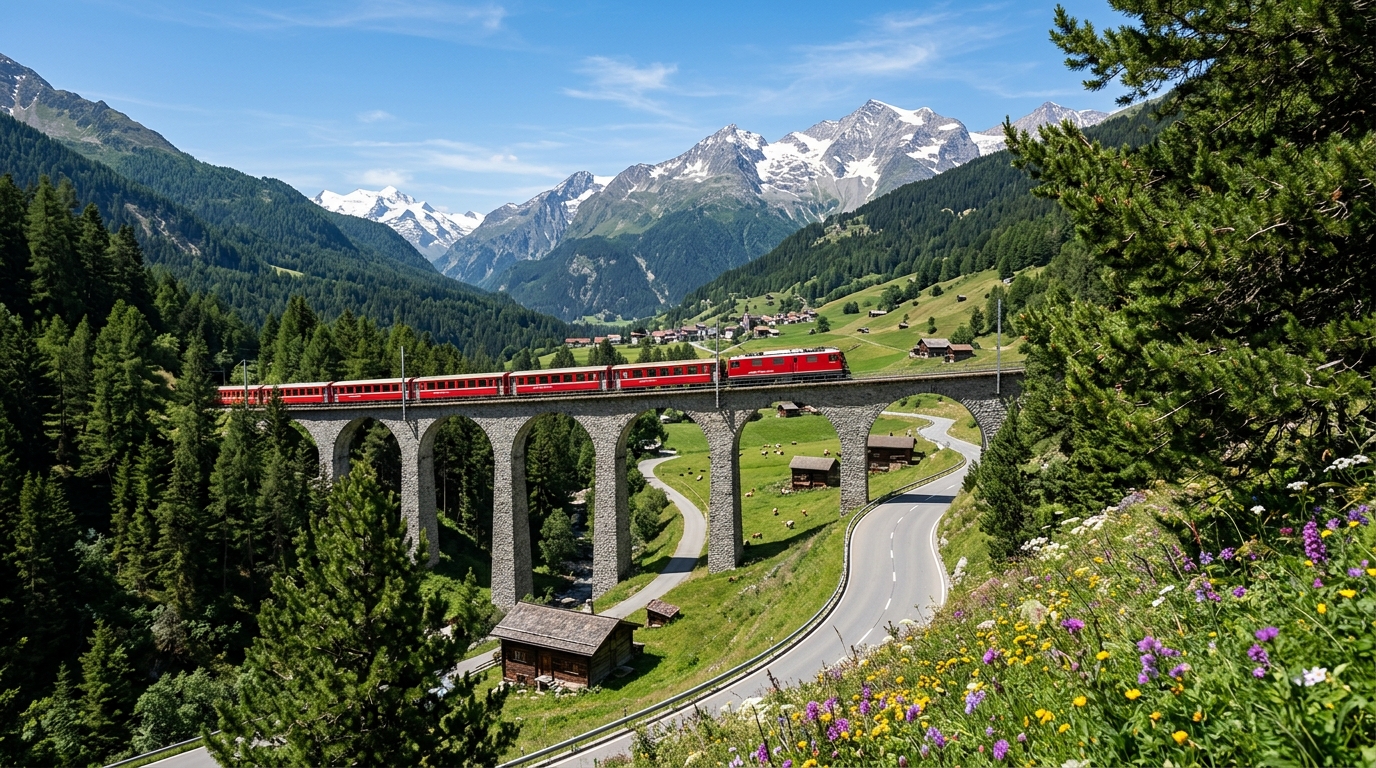
Ground transport is another critical link. Relying on airport taxis can be incredibly expensive in major hubs like Tokyo or London. When evaluating how to make tour packages, always research the local transit options beforehand. Whether purchasing a Swiss Travel Pass, renting a car, or arranging a driver in Bali, securing transport early prevents high stress upon arrival.
Accommodations should be selected based on proximity to public transit, not just aesthetics. A cheap hotel located ten kilometers outside the city center might seem like a great deal, but the transit cost and time will quickly erase those savings. Anyone who wants to master how to make tour packages must calculate the true cost of a hotel (room rate plus daily round-trip transit). Choosing a slightly more expensive hotel in a walkable, central neighborhood is almost always the smarter logistical choice.
Step 5: Addressing Visas and Essential Travel Documentation
No travel plan can happen without correct documentation. For Indian passport holders, visas are often the most complex and time-consuming part of the planning process. When understanding how to make tour packages, analyzing visa protocols must be done at the very beginning of the planning timeline.
According to the Henley Passport Index in 2026, Indian passport holders have visa-free or visa-on-arrival access to roughly 58 destinations. For these countries, the process is relatively simple, though passports must have at least six months of validity. For destinations requiring a prior visa, such as the Schengen Zone or the United Kingdom, processing times easily stretch from four to eight weeks. When learning how to make tour packages, factoring in these lead times is critical to avoid booking flights before securing visa approvals.
When planning how to make tour packages, understanding the visa requirements for your destination is paramount. Below is a comparison of popular international travel zones for Indian citizens:
| Destination Zone | Visa Type for Indians | Average Processing Time | Key Document Requirements |
|---|---|---|---|
| Schengen Area (Europe) | Standard Tourist Visa (Prior Apply) | 15 to 30 Days | ITR (2 Years), Bank Statements, Flight/Hotel Proof, Travel Insurance |
| Southeast Asia (e.g., Bali, Vietnam) | Visa on Arrival / eVisa | Instant to 3 Days | 6-Month Valid Passport, Return Flight Ticket, Payment Fee |
| Middle East (e.g., UAE, Oman) | Pre-arranged eVisa | 3 to 5 Days | Passport Copy, Passport Photo, Confirmed Return Flights |
| United Kingdom | Standard Visitor Visa | 3 to 6 Weeks | Detailed Financial Proof, Employment Letter, Comprehensive Itinerary |
To ensure a smooth visa application process, travelers should maintain a standardized document file. This file must contain:
- Passports with at least six months of validity.
- Detailed flight itineraries showing confirmed return journeys to India.
- Proof of accommodation for every single night of the proposed stay.
- Bank statements from the last six months, signed and stamped by the branch.
- Income Tax Returns (ITR) for the past two assessment years.
- A comprehensive travel insurance policy with sufficient medical coverage.
Securing a travel insurance policy is not just a visa requirement for many nations; it is an absolute necessity. Medical costs abroad can be astronomical. Linking your planning with reliable services, such as a specialized travel insurance plan, provides essential protection against flight cancellations, medical emergencies, and lost baggage. Similarly, checking entry guidelines on a dedicated visa services page can clarify changing rules for different countries. Knowing how to make tour packages means protecting your health through proper legal preparation.

Comparing Popular Custom Travel Options
When deciding how to approach a holiday, travelers often weigh the pros and cons of doing everything themselves versus using professional customization services. While DIY offers complete control, it also demands dozens of hours of research and carries the risk of logistical errors.
The table below outlines the differences between these approaches to help travelers decide which path fits their lifestyle:
| Planning Feature | Do-It-Yourself (DIY) Approach | Professional Customized Planner |
|---|---|---|
| Time Investment | High (typically 20-40 hours of research) | Low (expert handles the logistics) |
| Cost Efficiency | Saves on service fees but risks booking errors | Accesses wholesale rates and local DMC partnerships |
| On-Trip Support | None (traveler must resolve missed flights or issues) | 24/7 dedicated support team |
| Customization Level | Absolute (limited only by personal research) | Tailored specifically to preferences with professional inputs |
| Complexity Handling | Difficult for multi-destination or complex visa routes | Highly streamlined with end-to-end documentation |
For those who enjoy the intricate details of planning, the DIY route is highly rewarding. However, for complex international trips involving family members or multiple destinations, collaborating with an expert travel planner can save significant time and stress, ensuring a flawless execution.
FAQs
How can I reduce the total cost when making my own tour package?
Reducing costs when learning how to make tour packages involves several tactical choices. First, prioritize traveling during the shoulder season, which is the period just before or after the peak tourist season. During these months, flight tickets and hotel rates drop significantly, yet the weather remains pleasant. Second, utilize public transportation networks instead of private taxis. Many global cities offer weekly transit passes that provide unlimited rides on subways, buses, and regional trains at a fraction of the cost of point-to-point tickets. Finally, pre-booking monument entry tickets online often helps secure discounts and bypasses long, time-wasting ticketing queues on-site.
What is the difference between group packages and customized itineraries?
The primary difference lies in flexibility, pacing, and control. Group packages operate on a fixed schedule with a set group of travelers, pre-determined hotels, and shared transport. While they are cost-effective due to economies of scale, they leave zero room for personal changes. Customized itineraries are designed around the specific interests, budget, and physical pace of a single travel party. Knowing how to make tour packages that are fully customized allows travelers to decide exactly where to stay, how long to spend at each destination, and which sights to prioritize, making the experience far more personal.
How early should I begin planning an international trip from India?
For most international destinations, the ideal planning window is three to six months prior to departure. This timeline allows ample time to secure competitive flight rates, research unique accommodations, and manage visa application procedures without unnecessary stress. For countries requiring extensive documentation, such as those in the Schengen Area, beginning the process early ensures that appointment slots can be booked and processed well before the travel date. When understanding how to make tour packages, starting early also provides a comfortable cushion to monitor currency fluctuations and secure payments before rates spike.