
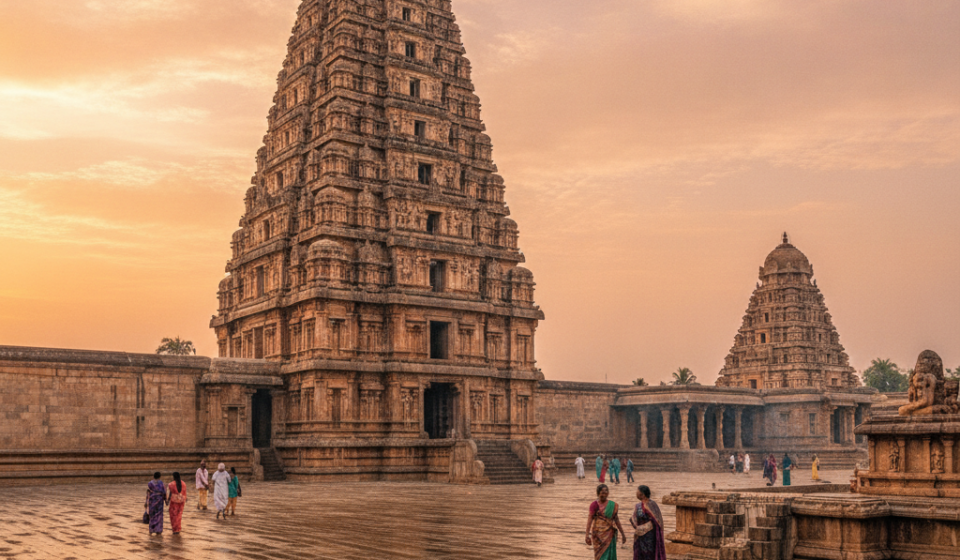

Travel through the southern peninsula of India reveals a stark contrast to the mountainous north, replacing snow-capped peaks with ancient temple complexes, quiet lagoons, and spice-scented hill stations. Structuring a comprehensive south india travel plan is the most effective way to experience this architectural and natural diversity without succumbing to logistics fatigue. The region features a unique geographical layout that demands a thoughtful approach to route planning, especially when attempting to cross state borders. Historically, travelers struggled to connect these distinct cultural pockets in a single journey, but modern infrastructure has simplified the process considerably. By focusing on a logical flow through Tamil Nadu, Kerala, and Karnataka, it becomes possible to observe how art, culinary traditions, and topography shift over relatively short distances. A successful journey requires understanding these regional boundaries, local transport networks, and historical contexts.
Key Takeaways
- Ideal Duration: A 14-day travel plan is the optimal duration to explore the historical highlights of Tamil Nadu, the serene landscapes of Kerala, and the royal heritage of Karnataka.
- Seamless Connectivity: Traveling sequentially from Chennai on the east coast to Bangalore/Cochin ensures minimal transit lag and avoids redundant backtracking.
- Transport Priority: Hiring a private AC vehicle with a professional driver provides maximum flexibility, especially through the winding terrains of the Western Ghats.
- Best Travel Season: The peak winter window from October to March offers ideal weather across both coastal regions and high-altitude hill stations.
Why Choose a South India Travel Plan?
A structured south india travel plan prevents the common pitfall of over-scheduling. The southern states cover roughly 640,000 square kilometers, an area larger than France, which means attempting to see everything in a brief visit leads to exhaustion. Rather than rushing through endless monuments, a balanced south india travel plan prioritizes depth of experience over sheer volume.
This region offers distinct advantages for different types of travelers, from independent explorers (often referred to as FITs, or Fully Independent Travelers) to multi-generational families:
- Architectural Wonders: The outstanding achievements of the Chola and Hoysala dynasties rival any historical monuments globally, yet remain highly accessible.
- Geographical Variety: The quick transition from the arid plains of Tamil Nadu to the humid, forested hills of the Western Ghats creates a fascinating microclimatic diversity.
- Immersive Exploration: Well-connected roads and reliable hospitality options allow both solo explorers and large families to experience distinct regional cultures seamlessly.
Choosing a dedicated south india travel plan also allows for a deeper appreciation of the culinary distinctions. The subtle shift from the lentil-heavy, tamarind-infused dishes of Tamil Nadu to the coconut-and-seafood-dominant cuisine of Kerala is a journey in itself. Understanding these regional nuances transforms a standard vacation into an immersive study of cultural geography.
The Ultimate 14-Day South India Itinerary
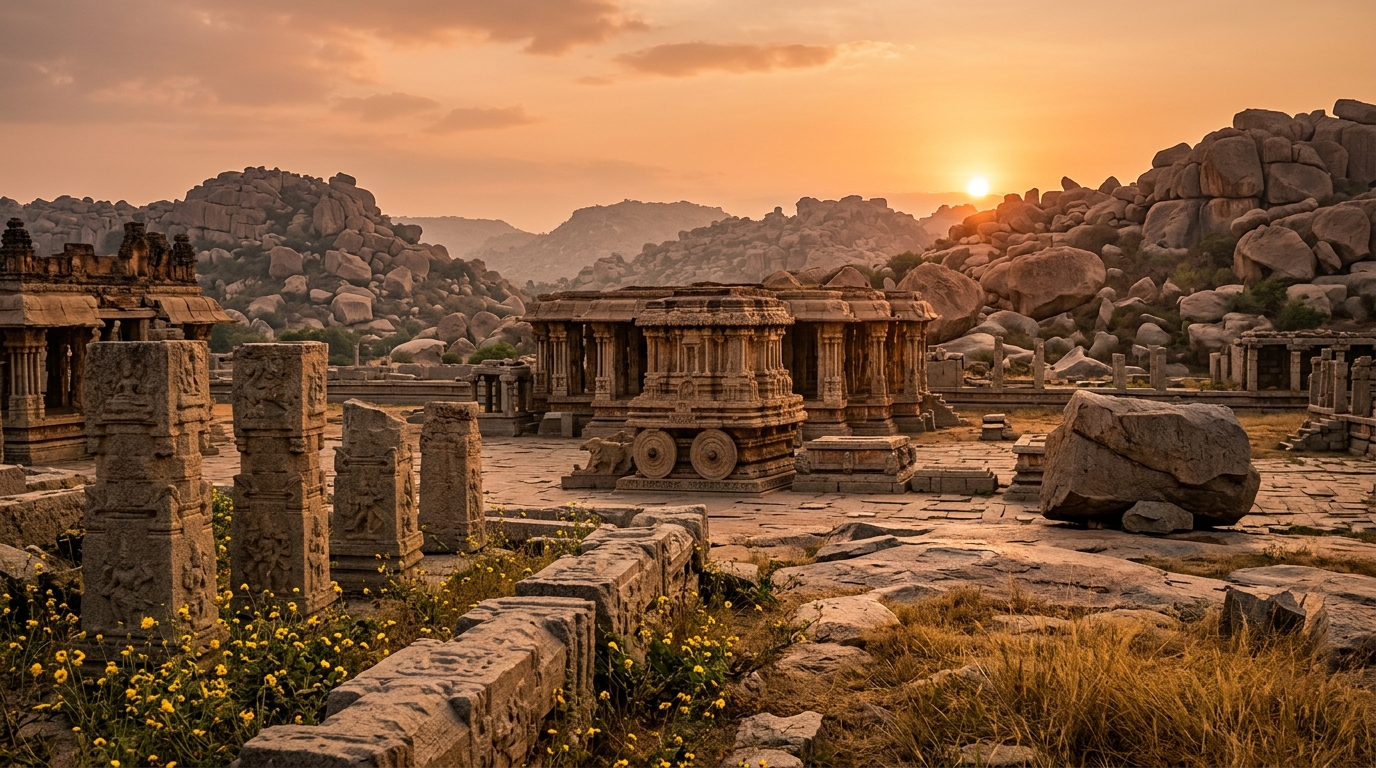
Executing a successful journey across the southern peninsula requires a logical progression that minimizes backtrack travel. The ultimate South India itinerary is designed to maximize regional exposure while keeping transit times reasonable. This specific South India tour route connects Chennai on the eastern coast to Cochin on the western coast, passing through the historic interior plains and the highland tea estates. While alternative paths exist, this path represents the most efficient sequence for a first-time visitor.
This 14-day South India itinerary is structured to provide a comprehensive look at the three major southern states. It balances high-energy temple exploration with slow-paced nature retreats, ensuring that the physical demands of travel are countered by periods of rest. Implementing this south india travel plan ensures that each day builds upon the cultural context of the previous one, creating a cohesive historical narrative, though individual pacing will naturally dictate the final schedule.
Days 1-4: The Cultural Heartland of Tamil Nadu
The journey begins in Chennai, the colonial gateway that serves as an ideal starting point for a south india travel plan. After arriving, the route heads south along the scenic East Coast Road to Mahabalipuram. This seaside town is famous for its seventh-century monuments and the iconic Shore Temple, where stone carvings have withstood centuries of salty winds.
From Mahabalipuram, the south india travel plan moves toward Pondicherry, a coastal enclave where French colonial architecture meets traditional Tamil style. Strolling through the quiet streets of the French Quarter reveals a pleasant contrast to Chennai. For those interested in structured itineraries, exploring Pondicherry tour packages offers a reliable way to experience the area.
The route then continues to Tanjore, the capital of the ancient Chola Empire. The Brihadisvara Temple, a UNESCO site, dominates the town with its massive granite gopuram (the ceremonial gateway tower). According to a 2025 report by the Tamil Nadu Tourism Development Corporation, domestic visits to Tanjore increased by 14% due to improved road connectivity from Chennai. The monolithic granite capstone weighs roughly 80 tons and remains an engineering marvel.
To conclude this segment, the south india travel plan leads to Madurai, one of the oldest continuously inhabited cities. The Meenakshi Amman Temple forms the core of the city, with twelve gopurams covered in painted figures. Witnessing the evening prayer ceremony here is an unforgettable cultural experience.
Days 5-8: The Serene Backwaters and Hills of Kerala
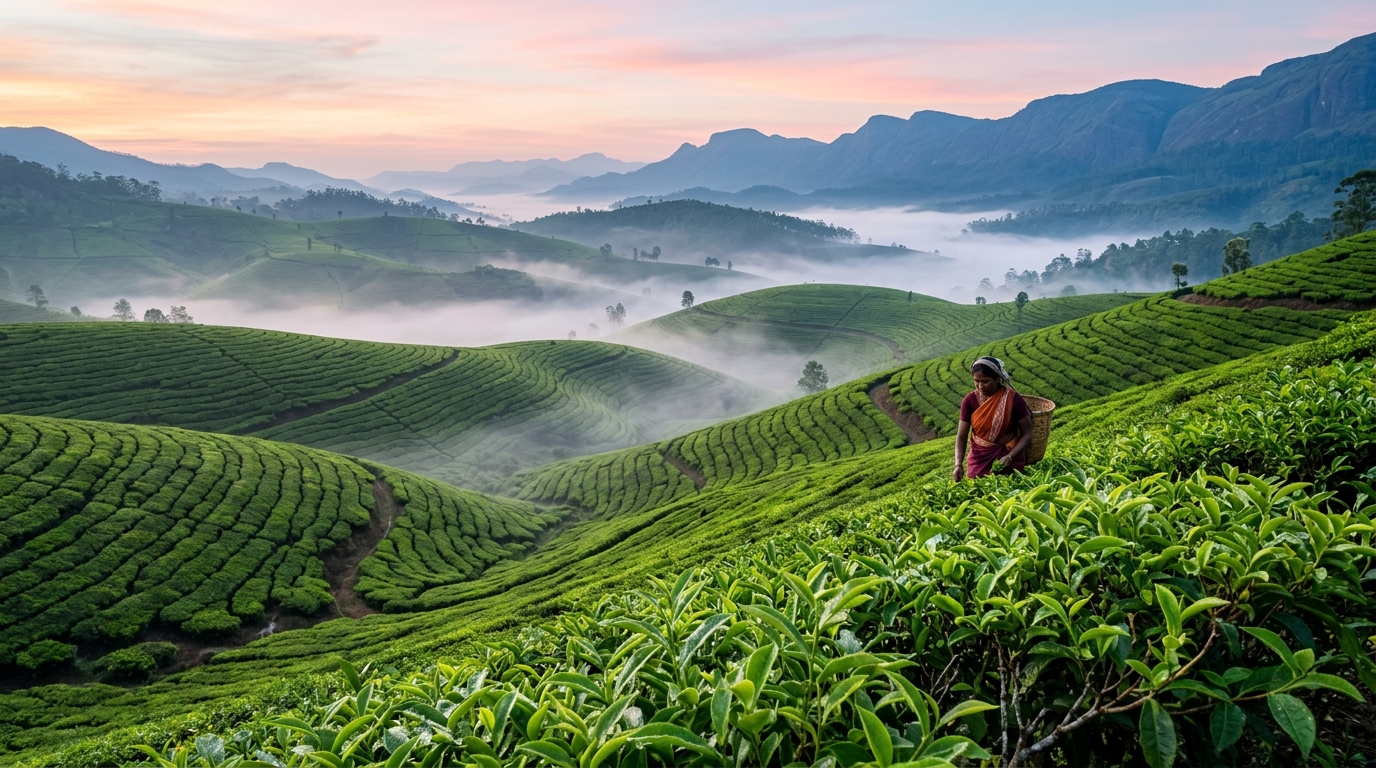
Leaving the dry plains of Tamil Nadu, the south india travel plan ascends into the cool peaks of the Western Ghats, entering Kerala. The transition brings a refreshing drop in temperature and lush scenery. Munnar, a premier hill station situated at roughly 1,600 meters above sea level, is the first stop. The hillsides here are covered in neat rows of tea bushes, resembling a vast green carpet.
From Munnar, the south india travel plan descends toward Thekkady, home to the Periyar National Park. This sanctuary is centered around an artificial lake created in 1895, where wild elephants and rare birds gather. A guided walk through the local spice plantations explains the cultivation of cardamom and black pepper, which historically drew global merchants to these shores.
The next leg features the backwaters of Alleppey. Boarding a traditional kettuvallam (a thatched-roof houseboat) allows for a slow-paced exploration of the canals. Data from the Kerala Tourism Board in late 2025 indicates that houseboat stays average an 87% occupancy rate during the peak winter months, making advanced bookings crucial. For those seeking structured options, reviewing the verified Kerala tour packages can help secure reliable houseboat operators.
The Kerala segment ends in Cochin, a historic port city shaped by centuries of global trade. The Chinese fishing nets lining the harbor and the Portuguese-built Santa Cruz Basilica illustrate the city’s cosmopolitan past. Watching a Kathakali dance performance provides a dramatic introduction to Kerala’s classical performing arts.
Days 9-11: The Royal Heritage of Karnataka
Moving north from Kerala, the south india travel plan crosses into Karnataka, a state characterized by its diverse terrains and royal legacy. The first destination is Mysore (Mysuru), the cultural capital of the state. The Amba Vilas Palace, commonly known as Mysore Palace, is an Indo-Saracenic masterpiece that features rosewood doors, stained-glass ceilings, and solid silver temple pillars. On Sundays and public holidays, the palace is illuminated by nearly 100,000 light bulbs, creating a spectacular sight against the night sky.
From Mysore, the route proceeds to the historic towns of Belur and Halebidu. These sites showcase the peak of Hoysala architecture, characterized by star-shaped temple platforms and incredibly detailed soapstone carvings. The dancers, musicians, and mythical beasts carved into the temple walls are so intricate that they appear to be made of ivory rather than solid stone.
The south india travel plan then moves toward Hassan, which serves as a practical base for exploring these ancient sites. Exploring the ruins of the summer palace in Srirangapatna, built entirely of teakwood, offers a fascinating look at late eighteenth-century military architecture, making it an essential stop in a comprehensive south india travel plan.
Days 12-14: Coastal Gateway and Departure
The final phase of this south india travel plan heads toward Bangalore (Bengaluru), the modern capital of Karnataka and India’s primary technological hub. Known historically as the Garden City due to its extensive public parks, Bangalore offers a pleasant climate and a sophisticated culinary scene. Lalbagh Botanical Garden, commissioned by Hyder Ali in 1760, houses a historic glasshouse modeled on London’s Crystal Palace, featuring over 1,800 species of tropical plants.
Spending the final days here allows travelers to transition back to urban life before departure. The city’s thriving microbrewery culture and diverse dining establishments provide a modern contrast to the ancient temple towns of Tamil Nadu and the quiet backwaters of Kerala.
To ensure a smooth departure, the south india travel plan schedules the final night near the Kempegowda International Airport. This modern facility offers excellent global connectivity, making it the perfect terminal point for a multi-state journey. Reflecting on the vast distances covered, from the Bay of Bengal to the Arabian Sea, highlights the sheer variety of experiences packed into a single fortnight.
Key Destinations and Experiences Analyzed
To help select the most suitable destinations for an individual south india travel plan, it is useful to compare the core experiences offered by each state. While some travelers prefer architectural marvels, others prioritize wildlife or wellness therapies. The following comparison table outlines the primary focus, key activities, and ideal season for the major regions of South India. This allows for easy customisation of the route based on personal interests.
Selecting the right combination of states is crucial for a successful south india travel plan. For instance, combining Tamil Nadu’s cultural depth with Kerala’s natural relaxation creates a balanced itinerary. But still, travelers must resist the temptation to crowd too many destinations into a limited timeframe. A successful south india travel plan is not about ticking boxes; it is about immersing oneself in the unique rhythm of the southern peninsula.
| Region / State | Primary Travel Focus | Key Highlight Activities | Best Time to Visit |
|---|---|---|---|
| Tamil Nadu | Ancient Temple Architecture and Dravidian Culture | Exploring UNESCO monuments in Tanjore and Madurai, coastal heritage walks | October to March |
| Kerala Backwaters | Nature, Wellness, and Ayurvedic Retreats | Overnight houseboat stays, spice plantation walks, traditional art performances | September to March |
| Karnataka Royal Belt | Palaces, Forts, and Hoysala Stone Carvings | Visiting Mysore Palace, exploring Belur temples, historical walks in Srirangapatna | October to April |
| Western Ghats (Munnar/Coorg) | Hill Stations, Tea Estates, and Trekking | Tea tasting tours, wildlife spotting, hiking through mist-covered valleys | September to May |
Practical Logistics for Your Journey
Implementing a complex south india travel plan requires careful attention to transport logistics, seasonal weather variations, and cultural etiquette. The physical infrastructure of South India is generally highly efficient, but the sheer scale of the region requires strategic planning to avoid unnecessary delays.
Consider the following essential logistics guidelines when finalizing your south india travel plan:
- Inter-State Transport: Hiring a private car with an experienced driver is the most reliable way to execute this multi-state journey, offering unparalleled flexibility.
- Rail Network: Booking first-class or two-tier air-conditioned (2AC) sleeper berths well in advance is highly recommended for overnight journeys.
- Seasonal Planning: The monsoon season, from June to September, brings heavy rainfall. While the scenery turns exceptionally green, outdoor activities and houseboat cruises are often restricted.
- Temple Etiquette: Most historical temples require visitors to remove footwear. Wearing clothing that covers shoulders and knees is mandatory to respect local customs.
When mapping out the places to visit in South India, travelers must recognize that distance does not always equate to travel time. A 150-kilometer drive through winding mountain roads in the Western Ghats can take up to four hours, whereas the same distance on a coastal highway takes half that time. Therefore, your south india travel plan should prioritize realistic daily driving targets rather than over-scheduling.
To help you navigate these different terrains, the table below outlines typical travel times and recommended transport methods across key segments of this journey:
| Route Segment | Approx. Distance (km) | Typical Travel Time | Terrain and Route Conditions |
|---|---|---|---|
| Chennai to Mahabalipuram | 55 km | 1.5 Hours | Flat, scenic coastal highway (East Coast Road) |
| Madurai to Munnar | 160 km | 4.5 – 5 Hours | Winding mountain roads ascending the Western Ghats |
| Munnar to Thekkady | 110 km | 3.5 Hours | Hilly curves passing through tea gardens and forests |
| Mysore to Bangalore | 145 km | 2.5 – 3 Hours | Flat, high-speed multi-lane national expressway |
Structuring Your Travel Budget
A realistic financial blueprint is a key component of a successful south india travel plan. South India offers exceptional value across all budget tiers, from basic homestays to ultra-luxury heritage hotels. Structuring your budget according to regional pricing helps prevent unexpected expenses during the trip.
According to recent data from the Ministry of Tourism in early 2026, foreign tourist expenditures in the southern circuit average roughly $120 per day for mid-range travelers. This metric demonstrates that South India remains a highly cost-effective destination compared to European or North American routes. Let us look at a breakdown of these estimates.
| Travel Style | Estimated Daily Cost (INR) | Accommodation Type | Transport Method |
|---|---|---|---|
| Budget Traveler | INR 2,500 – 4,000 | Local guesthouses and homestays | Public buses, trains, and auto-rickshaws |
| Mid-Range Explorer | INR 6,000 – 10,000 | Boutique heritage hotels and standard resorts | Private AC sedan with a dedicated driver |
| Luxury Connoisseur | INR 18,000+ | Palaces, luxury beach resorts, private houseboats | Private luxury SUV and expert local guides |
Conclusion
A comprehensive south india travel plan is more than a simple route across three states. It represents an opportunity to observe the subtle shifts in art, language, and topography that define this ancient peninsula. By structuring a logical 14-day South India itinerary, travelers can balance the high-energy exploration of Tamil Nadu temples with the peaceful relaxation of Kerala backwaters and the royal heritage of Karnataka.
Success on this journey lies in recognizing the physical scale of the region and resisting the urge to over-schedule. Prioritizing slow travel, private transport, and off-peak season exploration ensures a far more rewardable experience. Whether admiring the granite towers of Tanjore, cruising the quiet lagoons of Alleppey, or studying the soapstone carvings of Belur, the southern states offer an enduring journey. Planning this adventure thoughtfully ensures that the memories of these diverse terrains remain clear and compelling long after the return home.